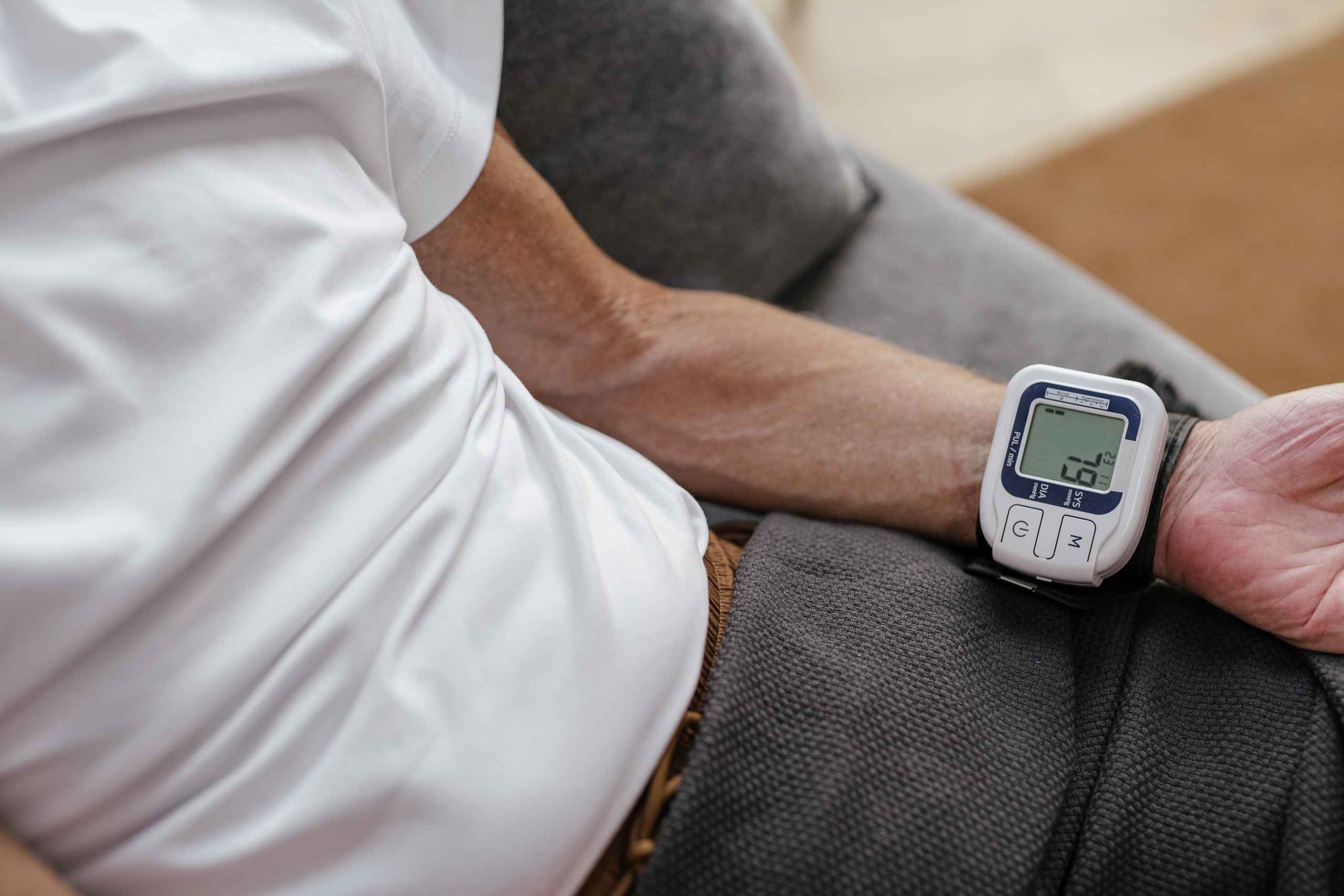
The pulse that can be felt at the wrist usually corresponds to the number of heartbeats per minute. But what heart rate is normal?
The pulse shows how fast the heart pumps blood through our body. Rest, excitement, external influences and illness can affect the heart rate and change it permanently. Find out which values are normal and how high the pulse may go.
Pulse – normal values
The general standard for heart rate is 60 to 100 beats per minute. Bear in mind, however, that the norms change with age:
- in infants, the pulse is around 130 beats per minute,
- in older children, around 100 beats per minute,
- in teenagers, around 85 beats per minute,
- in adults, around 70 beats per minute,
- in older people, around 60 beats per minute.
It is important to know whether our heart rhythm is normal. If it falls outside the normal range, you should find out the cause and, where appropriate, seek a specialist’s advice.
In which situations does the heart rate rise?
Several factors cause the pulse to change:
- age;
- smoking;
- alcohol;
- temperature;
- medication;
- body position;
- emotions/stress;
- weight.
At rest, a heart rate considered normal should not exceed 100 beats per minute. A heart rate above this level is considered tachycardia, and a doctor should be consulted. The heartbeat can speed up in various situations, for example during physical exertion or strong emotions.
Pathological causes of tachycardia include:
- heart defects;
- hypoxia;
- heart failure;
- circulatory insufficiency;
- anaemia;
- fever, infections;
- blood loss;
- dehydration;
- an overactive thyroid;
- hypoglycaemia.
The heart rate can be lowered with medication that regulates heart function. You can also try relaxation techniques that lower the pulse. If a high pulse occurs for no apparent reason, see a doctor and undergo full diagnostics.
Cardiology in Switzerland treats heart rhythm problems, among other conditions, at a very high level. If diagnostics reveal a problem, patients can undergo treatment in Switzerland.
What causes a low heart rate?
A low heart rate (below 60 beats per minute), known as bradycardia, can result from age or from taking certain heart medications. In young people, the better the heart works, the lower the heart rate. However, heart block or sinus node dysfunction are changes that slow the heartbeat and may signal a problem. In this case, seek medical help from a specialist. Cardiology in Switzerland can also help with the diagnosis of a low heart rate.
As we can see, it is important to know the normal heart rate for each age in order to recognise possible changes, both upwards and downwards. In any of these situations, seek medical help for proper assessment and treatment.
Heart rate during physical activity
During physical activity, the muscles need more oxygen. The heart beats faster to deliver more oxygen to the cells, and the pulse rises considerably. Depending on age, a certain maximum pulse should not be exceeded. Doctors in Switzerland usually advise healthy people to stay below a pulse of 220 minus their age. The heart of a healthy 40-year-old can cope with a pulse of up to 180, while a 60-year-old should, if possible, stay below 160. It is also important to know how the pulse develops during exercise: normally, the heartbeat rises gradually and then slowly falls again at the end of the exercise. If the heart suddenly starts racing, a cardiologist should investigate this during diagnostics.


