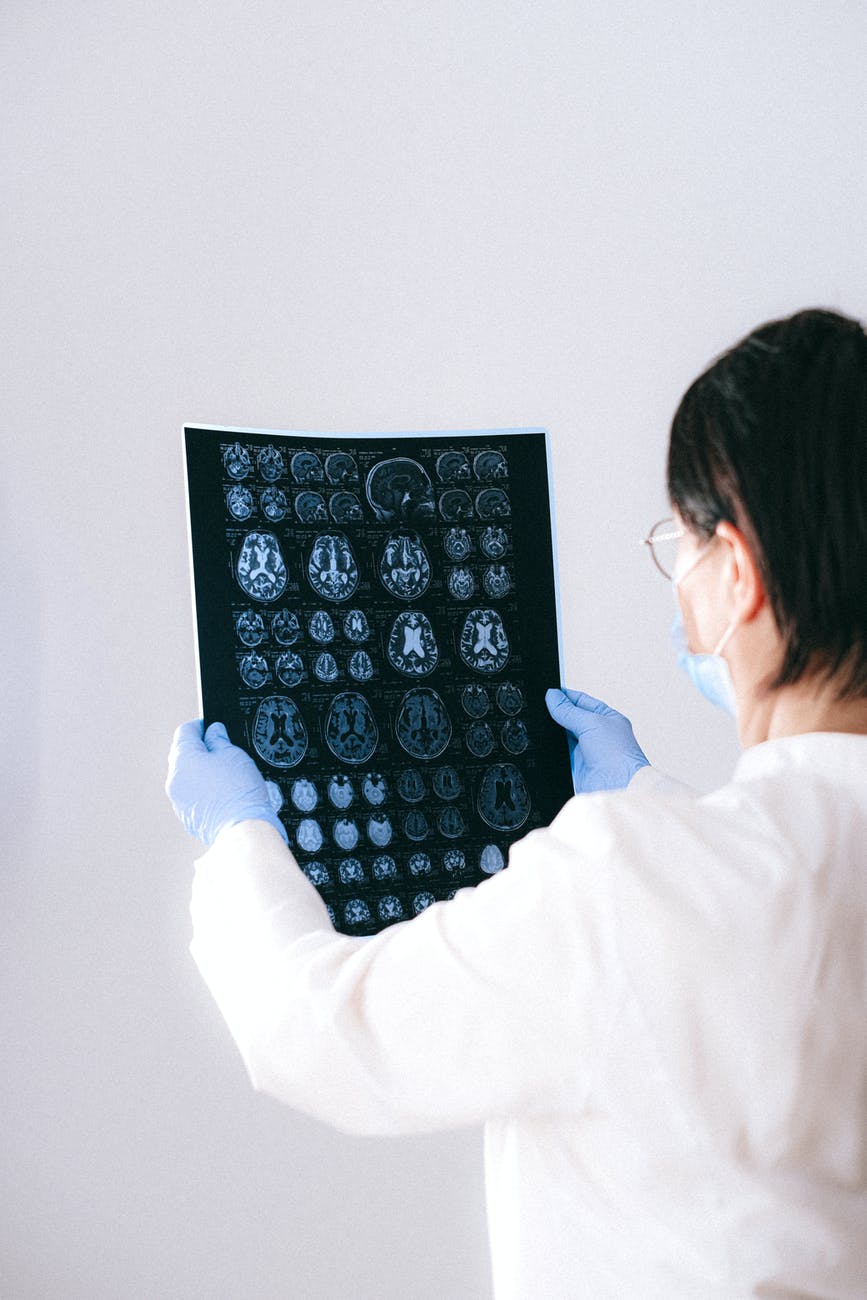
Switzerland, known for its innovation in healthcare, is actively adopting telemedicine and changing the way traditional medical services are perceived. Telemedicine, or remote medicine, uses technology to provide medical consultations, diagnosis and treatment at a distance.
In this article, we look at how telemedicine is developing in Switzerland, the benefits it offers patients and doctors, and the challenges facing the field.
The benefits of telemedicine in Switzerland
- Convenience and accessibility: Patients can receive consultations and treatment from home, which is especially important for people living in remote areas or with limited mobility.
- Time and resources saved: Telemedicine reduces waiting times and travel costs, making medical care more accessible.
- Greater efficiency: Using telemedicine platforms, doctors can see more patients a day, which streamlines workflows.
- Better quality of care: Telemedicine gives patients faster access to specialist consultations and medical information.
- The COVID-19 pandemic: The pandemic accelerated the adoption of telemedicine in Switzerland, demonstrating its effectiveness under restrictions.
How telemedicine works in Switzerland
Telemedicine in Switzerland includes various forms of remote interaction:
- Video consultations: Patients can speak with doctors in real time via video link.
- Telephone consultations: Doctors provide consultations and recommendations by telephone.
- Online chats: Patients can ask questions and receive answers from doctors in writing.
- Health monitoring: Patients can send data about their health (for example, blood pressure or blood sugar levels) to doctors remotely.
Challenges and prospects for telemedicine in Switzerland
For all its clear benefits, the development of telemedicine in Switzerland faces a number of challenges. One is the need for a clear legal and regulatory framework setting standards and rules for telemedicine practice. This is essential to ensure the safety and quality of the services provided. Reliable internet access and modern technology also play a key role in the effective use of telemedicine, which calls for continuous development of the technical infrastructure. Another challenge is acceptance of telemedicine by patients and doctors. Some may distrust new technologies or find it difficult to adapt to them.
The prospects for telemedicine in Switzerland nevertheless remain enormous. In the coming years it is expected to become an integral part of the healthcare system, giving patients new ways to receive high-quality medical care wherever they are and whatever their circumstances.
Telemedicine in Switzerland continues to evolve, offering innovative solutions that improve the accessibility and quality of medical care. Whatever challenges remain, the future of telemedicine in Switzerland looks promising, opening new horizons for patients and doctors alike.


