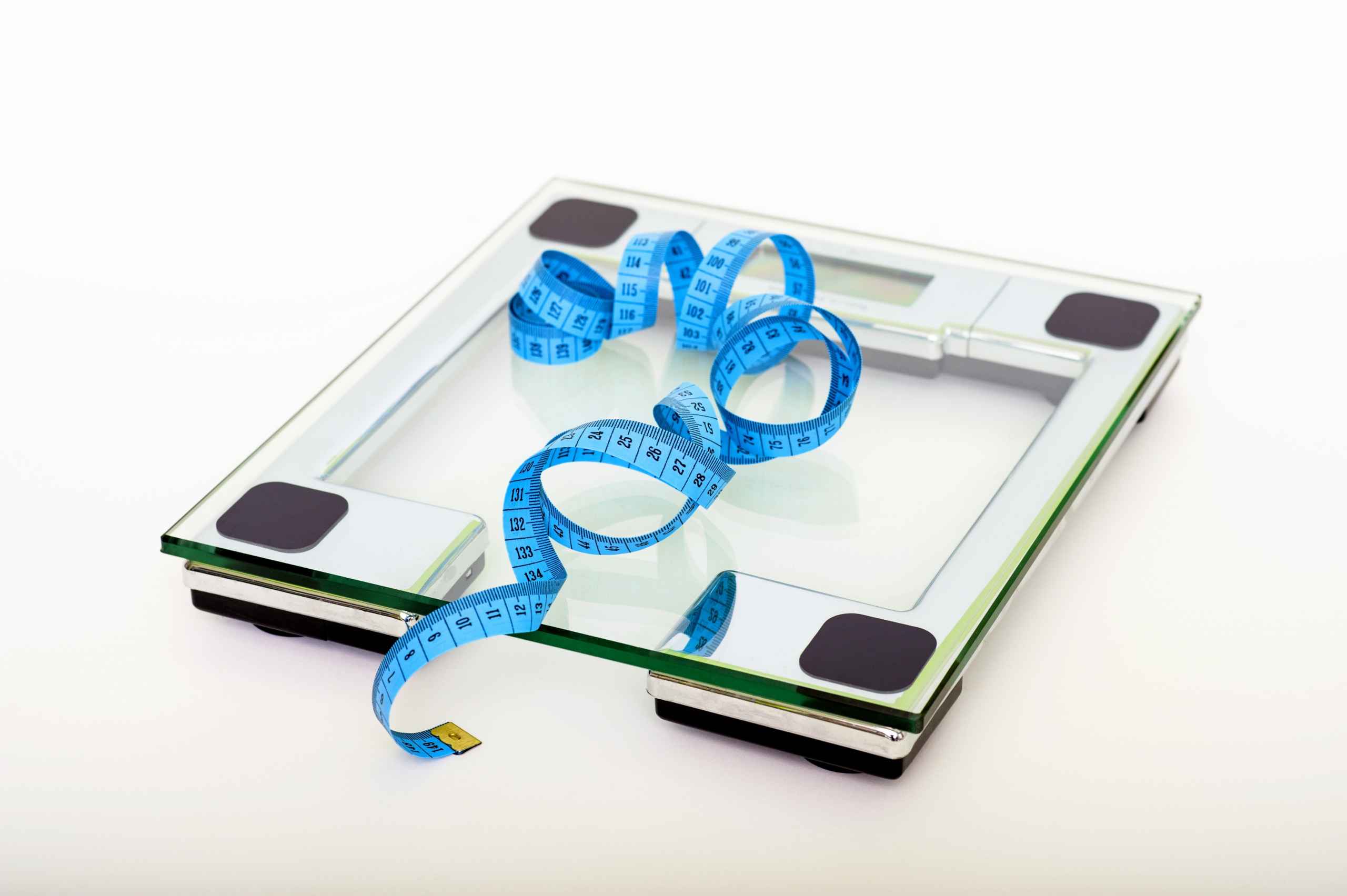
Excess body fat is a health issue as well as an aesthetic one. Both overweight and obesity contribute to many cardiovascular diseases and digestive disorders. A high body weight also has a negative effect on mental well-being.
How does excess weight affect a person’s health?
Excess weight, and obesity in particular, impairs almost every aspect of health, from reproductive and respiratory function to memory and mood. Obesity increases the risk of a number of debilitating and fatal diseases, including diabetes, heart disease and certain types of cancer. It does so in various ways – some as simple as the mechanical stress of the extra kilograms, others involving complex changes in hormones and metabolism. Obesity reduces both the quality and the length of life and increases individual, national and global healthcare costs. The good news is that weight loss can reduce some of the risks associated with obesity. Losing 5 to 10 per cent of body weight brings substantial health benefits for people with obesity, even if they never reach their “ideal” weight.
Related and secondary diseases of obesity:
- Cardiovascular diseases
- High blood pressure
- Coronary heart disease (heart attack)
- Heart failure
- Stroke
- Breathing pauses during sleep (obstructive sleep apnoea)
- Gastrointestinal diseases
- Gallstones
- Heartburn
- Colon cancer
- Mechanical problems
- Early joint wear (osteoarthritis), especially of the hips and knees
- Spinal problems
- Metabolic and hormonal disorders
- Diabetes (diabetes mellitus)
- Raised blood lipid levels
- Gout
- Impotence in men
- Infertility in women
- Disorders of fat metabolism
- Increased risk of cancer
- Women: uterus, ovaries, breast, kidneys
- Men: prostate, colon, pancreas, kidneys.
- Skin diseases
- Fungal skin infections
- Psychological problems
- Depression due to low self-esteem
- Social problems
- Restricted activity in everyday life
- Reduced quality of life
Even before a secondary disease has developed, people experience the first symptoms of obesity every day. They suffer from symptoms such as shortness of breath or rapid fatigue, and back, hip or knee pain. Women are also more likely than men to say that obesity has psychological consequences for them. They often feel rejected.
Treating obesity with nutritional medicine
As we can see, it is very important to recognise a weight problem early and to begin addressing it in good time. Various methods of nutritional medicine and physical activity can help.
Nutritional medicine in Switzerland, like every other medical field in the country, is highly developed and based on advanced methods of treatment and therapy.
The best clinics in Switzerland will help you reach an optimal body weight through exercise and healthy eating under medical supervision.
The holistic approach to this complex problem taken by experienced doctors at Swiss clinics can improve the health of the whole body. Self-treatment carries considerable risks and in most cases can seriously harm your health. The methods used by doctors are safe for the body. Obesity treatment at our clinics improves quality of life, boosts self-confidence and significantly improves general well-being. The approach to treatment in Switzerland is based on eliminating the causes of the condition, diet, hormone treatment, and adjustments to nutrition and activity. All procedures and consultations with the relevant specialists are available on site. At clinics in Switzerland, we will help you regain your former beauty and vitality. We look forward to meeting you.


