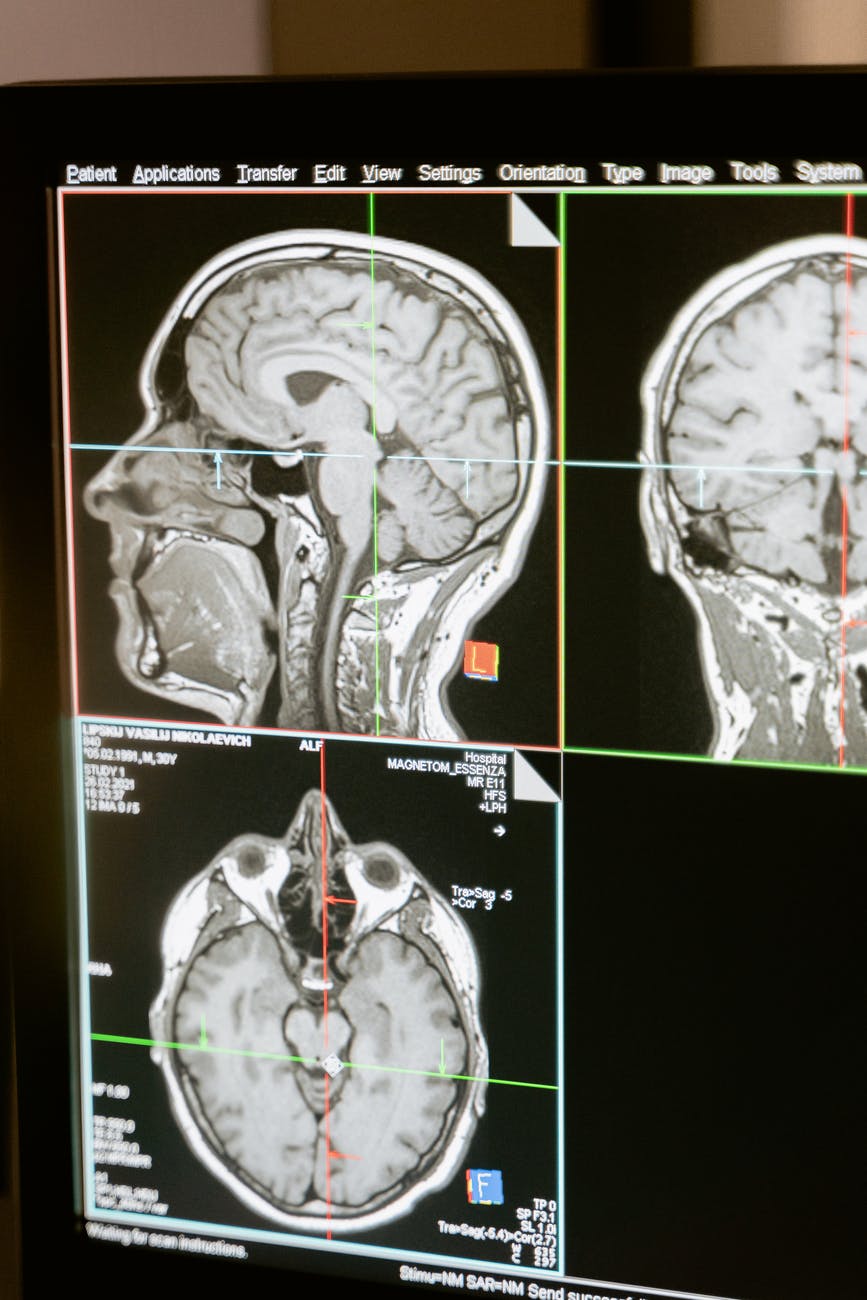
Switzerland is one of the world’s leading centres of medicine, including the treatment of diseases of the blood vessels of the brain and neck. Its doctors are highly qualified, the most advanced methods of diagnosis and treatment are used, and the standard of medical care meets the highest benchmarks.
Cerebrovascular disease is a thickening of the walls of the blood vessels in the brain, which impairs cerebral circulation. Cholesterol is deposited in the artery walls. In particularly severe cases, cholesterol plaques block the vessel completely and prevent it from performing its main function – carrying oxygen to the brain.
It is also a diagnosis that can lead to a stroke.
Diseases of the cerebral blood vessels
Diseases of the cerebral blood vessels, also known as cerebrovascular diseases, are a group of medical conditions associated with disturbances in the blood supply to the brain. They may include the following:
- Stroke: A stroke is a disruption of the blood supply to the brain, caused either by a blockage of the blood vessels (ischaemic stroke) or by bleeding (haemorrhagic stroke). A stroke can lead to a range of symptoms, including paralysis, loss of consciousness, and impaired speech and coordination.
- Transient ischaemic attack (TIA): A TIA, also known as a “mini-stroke”, occurs when the blood vessels of the brain are temporarily blocked, causing temporary symptoms such as weakness or blurred vision. These symptoms usually disappear within a few minutes or hours.
- Migraine with aura: Some people with migraine experience auras, which may include temporary disturbances of vision, sensation or speech. Although it is not a classic cerebrovascular disease, migraine with aura can mimic the symptoms of a stroke.
- Minor stroke: A condition in which the symptoms of a stroke are usually short-lived but still serious, and may precede a full stroke.
- Vascular malformations: Abnormalities in the structure of the cerebral vessels that can increase the risk of bleeding or vascular disorders.
- Aneurysms: Aneurysms are bulges in the walls of the cerebral vessels that can rupture, causing bleeding in the brain.
- Vasculitis: Vasculitis refers to inflammatory diseases of the blood vessels, which can affect the vessels of the brain and lead to ischaemia or bleeding.
Risk factors for cerebrovascular disease include high blood pressure, diabetes, smoking, a family history of vascular disease and others. Seeing a doctor early, a healthy lifestyle and managing risk factors can reduce the risk of developing these diseases and improve the prognosis.
Symptoms of cerebrovascular disease
- The main danger of cerebrovascular disease is that in its early stages it progresses almost without symptoms. The symptoms that most often point to the disease are headaches, fatigue, reduced capacity for work, and declining memory and concentration.
- The causes of the disease are wide-ranging – poor diet, obesity, unhealthy habits, heredity, a sedentary lifestyle and older age.
- Cerebrovascular disease is a serious condition that requires effective treatment and ongoing monitoring. After all, it is the blood vessels that supply our brain with blood, and with it oxygen – in effect, they nourish the brain.
Causes of cerebrovascular disease
Cerebrovascular diseases can develop as a result of various factors and causes. Some of them include:
- Atherosclerosis: A chronic disease in which the inner walls of the arteries become hard and thickened owing to a build-up of cholesterol, protein and other substances. Atherosclerosis can lead to the formation of blood clots and plaques, which may restrict or block the blood supply to the brain.
- Hypertension (high blood pressure): Persistently raised blood pressure can damage the vessel walls and contribute to the development of atherosclerosis and aneurysms.
- Diabetes mellitus: People with diabetes have an increased risk of atherosclerosis and other vascular problems, which can raise the risk of cerebrovascular disease.
- Smoking: Smoking is one of the main risk factors for atherosclerosis and vascular disease, including disease of the cerebral vessels.
- Family history: Hereditary factors can increase the risk of cerebrovascular disease, particularly if family members have had similar problems.
- Lipid disorders: High levels of cholesterol and other lipids in the blood can increase the risk of atherosclerotic plaques forming in the cerebral vessels.
- Obesity: Excess weight and obesity can contribute to risk factors such as high blood pressure, diabetes and atherosclerosis.
- Physical inactivity: Insufficient physical activity can increase the risk of atherosclerosis and vascular problems.
- Unhealthy eating habits: An unbalanced diet rich in fat, sugar and salt can contribute to atherosclerosis and other vascular diseases.
- Age: The risk of cerebrovascular disease rises with age, especially after 55.
- Stress and psychosocial factors: Chronic stress and limited emotional resilience can affect cardiovascular health.
These risk factors can act in combination, increasing the likelihood of cerebrovascular disease. Reducing risk and keeping the blood vessels healthy may involve a healthy lifestyle, control of risk factors and regular consultations with a doctor.
Diagnosis of diseases of the cerebral and neck vessels in Swiss clinics
In Switzerland, the following methods are used for diseases of the blood vessels of the brain and neck:
- In-depth assessment of the body’s condition
To determine the general state of health, in addition to laboratory tests and ultrasound, the condition of the whole body is assessed using the Medical Expert Complex.
The condition of all organs and systems is assessed: Immune system status; Allergens; Viral load; Bacterial load; Fungal load; Helminths detected; Vitamin and trace-element deficiencies; ENT organs; Bronchopulmonary system; Cardiovascular system; Gastrointestinal tract; Liver, gallbladder; Pancreas; Kidneys, bladder; Reproductive organs; Musculoskeletal system; Nervous system; Endocrine system; Foods to avoid
- laboratory tests
- Vascular examinations
- Doppler ultrasound of the neck and head vessels
- Ultrasound
Laboratory tests for cerebrovascular disease
- Blood tests:
- Full blood count: Reveals anaemia, inflammation and other general changes in the body that may be linked to vascular disease.
- Blood biochemistry: Can show levels of cholesterol, glucose and other substances associated with the risk of atherosclerosis and diabetes.
- Coagulation profile: Examines blood clotting and can reveal clotting disorders that may increase the risk of thrombosis.
- Inflammatory markers:
- C-reactive protein (CRP): Raised levels of this protein can indicate inflammatory processes in the body, which may be linked to atherosclerosis.
- Prothrombin time (PT) and International Normalised Ratio (INR): Measured to monitor the blood-clotting system and to adjust anticoagulant therapy.
- Kidney and liver function tests: These organs play an important role in processing substances in the body, and their function can affect the condition of the blood vessels.
- Blood glucose: High glucose levels can indicate diabetes, which is a risk factor for vascular disease.
- Thyroid hormone levels: Hypothyroidism (low thyroid activity) can be associated with atherosclerosis and an increased risk of stroke.
- Tests for hereditary risk factors: Genetic tests are sometimes carried out to identify genetic mutations that may increase the risk of vascular disease.
- Other tests: Depending on the specific clinical situation, other laboratory tests may be carried out, for example tests for disorders of the clotting system such as hereditary thrombophilia.
Treatment methods for cerebrovascular disease in Swiss clinics
- Complete cleansing of the body, including cleansing the blood vessels of cholesterol plaques
- Outpatient or inpatient cleansing programme lasting 5–10 days. Cleansing the body helps remove toxins and waste products, restore the metabolism, reduce weight, and restore the function of the intestines, liver, gallbladder, and the lymphatic and circulatory systems.
- Examination: Abdominal ultrasound, laboratory tests; assessment of the body’s condition using the Medical Expert Complex.
- Detox programme: Accommodation; Meals; Herbal teas; Massages; Ozonated water; Rectal insufflation with an ozone-oxygen mixture; Ear canal insufflation with an ozone-oxygen mixture; Cleansing enemas; Blind probing of the gallbladder and liver (tubage); Cleansing of the small and large intestine (orthograde)
Advantages of diagnosis and treatment in Swiss clinics
- Fast and accurate laboratory and instrumental diagnostics
- Treatment addresses both the disease itself and its underlying causes
- The treatment procedures strengthen the immune system
- The treatment is safe and suitable for all age groups
- Both inpatient and outpatient treatment are available
A proprietary method for preventing and treating cardiovascular disease in Swiss clinics
For the treatment of cardiovascular disease, Swiss medical centres use a 5–10-day body-cleansing programme on an inpatient or outpatient basis.
Programme to restore cardiovascular function: A person’s health depends on how freely blood flows through the vessels, on the speed and force of its flow, and on the quality of its composition.
Restoring the body’s health should begin with normalising the gastrointestinal tract (the composition of the blood depends on its proper functioning) and improving the condition and function of the blood vessels, restoring the spine, restoring the function of the liver, vessels and lymphatic system, restoring the metabolism, reducing body weight, and carrying out an antiparasitic programme.
- Accommodation in a double or single room, or on an outpatient basis
- Examination: consultation with a doctor, ultrasound of the abdominal organs (liver, gallbladder, bile ducts, pancreas, spleen) and kidneys, ECG, detection of viruses, bacteria, parasites, vitamin and trace-element deficiencies and food intolerances using the Medical Expert Complex
- Hypoallergenic nutrition (juice therapy, raw-food diet, therapeutic fasting)
- Detox programme: cleansing of the large and small intestine, liver and gallbladder, kidneys; ozonated water, micro-enemas with ozonated oil, antiparasitic, choleretic and kidney teas, massage
- Sanitation of the large intestine with an ozone-oxygen mixture – removal of mucus and parasites from the intestine, restoration of the microflora, treatment of intestinal polyposis
- Sanitation of chronic ENT infection sites with an ozone-oxygen mixture – treatment of infections of the mucous membranes of the ear, throat and nose
Intravenous ozone therapy – reduces blood viscosity, improves blood flow through the vessels, normalises peripheral circulation, saturates the heart muscle and brain tissue with oxygen, and enhances intracellular synthesis of antioxidants - Spinal traction on the “Ormed-Professional” device – this technique increases the space between the vertebrae, frees the nerve endings and relieves pain immediately, and improves blood circulation and nutrition of the intervertebral discs
- Antiparasitic programme – correction of the body’s condition using the Medical Expert Complex, targeting internal allergens (fungi, viruses, bacteria, worms, protozoa)
- Pressotherapy – normalises capillary blood and lymph circulation, prevents blood clots, relaxes the smooth muscle of the vessels and ducts, removes toxins from the intercellular space, improves the nutrition of tissues and organs, and removes salt crystals from the kidneys
- Hirudotherapy – treatment with medicinal leeches
- Acupuncture
- Visceral massage – massage of the internal organs – improves the drainage function of the intestinal lymphatic system, reduces intestinal spasm, clears mucus and parasites, and strengthens immunity
Surgical treatment of the cerebral vessels in Switzerland
Microsurgical clipping
- Aneurysm clipping is performed under general anaesthesia using an operating microscope and microsurgical technique.
- After a small craniotomy, the cerebral vessel with the aneurysm is exposed and a special titanium clip is placed on the neck of the aneurysm. Any haemorrhage caused by the rupture of the aneurysm is also removed.
- CT angiography or cerebral angiography is usually performed before and after surgery.
- After a haemorrhage, an operation to create alternative drainage routes for cerebrospinal fluid (shunt surgery) is sometimes required.
Endovascular embolisation
- Endovascular embolisation is a minimally invasive surgical method for treating aneurysms of the cerebral vessels.
- This operation does not require a craniotomy. It is performed under local or general anaesthesia through a single puncture of an artery in the leg, through which a fine tube (catheter) is inserted into the artery and guided via the aorta and the neck vessels into the cerebral vessels to the site of the aneurysm.
- Through this tube, special endovascular metal micro-coils with “shape memory” are introduced into the aneurysm, where they coil up inside its cavity. This stops blood flow into the aneurysm completely, so that it cannot rupture again.
- The operation is performed under continuous X-ray guidance.
- Surgical procedures are carried out using microsurgical methods, which keeps the risk of complications to a minimum.
Which clinics and doctors in Switzerland specialise in treating the vessels of the brain and neck?
The Swiss healthcare system is one of the most advanced in the world, and life expectancy in Switzerland is among the highest. This is thanks to the professionalism of Swiss doctors and the particular attention paid to diagnosis. Preventive examinations and the introduction of a dedicated diagnostic check-up programme make it possible to detect diseases at an early stage and to begin treatment in good time. The equipment used for examinations is state of the art and allows a comprehensive work-up in the shortest possible time.
Many clinics in Switzerland specialise in treating diseases of the blood vessels of the brain and neck. The best known include:
- University Hospital Zurich
- Geneva University Hospitals
- Bern University Hospital
- Swiss Federal Centre for Neurological Disorders and Stroke
These clinics employ highly qualified doctors with extensive experience in treating diseases of the blood vessels of the brain and neck.
The CorSwiss team has extensive experience in selecting clinics and doctors and in organising medical travel. We work with leading Swiss clinics that specialise in the treatment of cerebrovascular disease.


