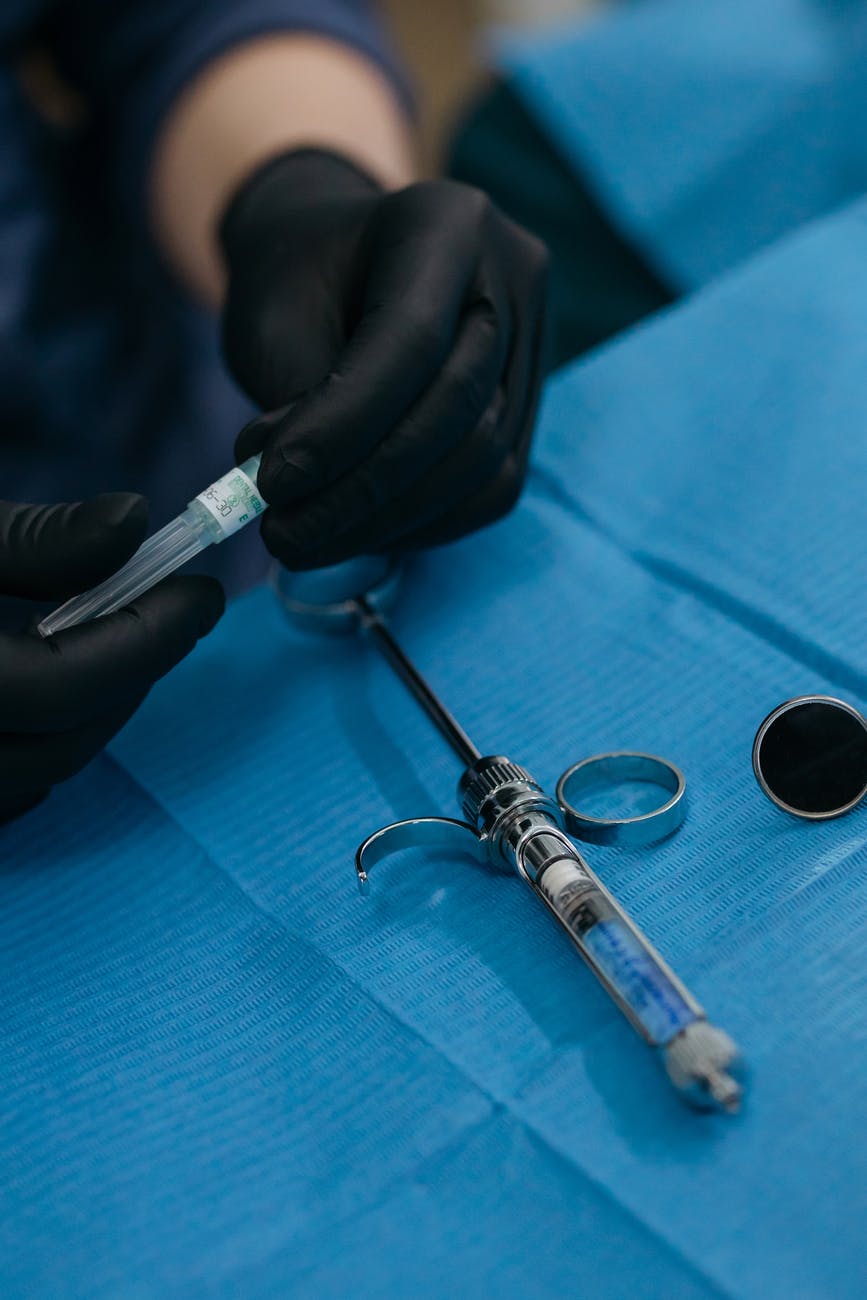
Anaesthesia is a temporary loss of sensation, including pain, brought about by various drugs. It is an essential part of a surgical procedure and ensures a complete absence of pain during the operation.
Anaesthesiology in Switzerland stands out above all for the high professionalism of its doctors. A Swiss anaesthetist working in a private clinic has more than 6 years of study behind them and a further 6 years of practical experience as an assistant at a university hospital.
The type of anaesthesia is chosen by the anaesthetist during the pre-operative consultation. The patient’s comfort and safety are the main goal of this procedure. The specialist’s choice is based on the type of procedure, an assessment of the risks associated with the patient, and the patient’s own wishes.
At private Swiss clinics, a thorough check of the patient’s health is carried out before anaesthesia, and the best modern drugs are used for the anaesthesia itself.
General anaesthesia
This involves inducing a deep artificial sleep and eliminating all painful sensations through the intravenous administration of analgesics under constant medical supervision.
During anaesthesia, the patient’s sleep is maintained by the continuous, measured administration of sleep-inducing drugs, either intravenously or by inhalation.
During general anaesthesia the patient may breathe independently, but more often breathing is assisted by a ventilator that adjusts to the rate and depth of the person’s breathing. For short and simple operations, the doctor uses a mask through which the patient breathes a mixture of oxygen, air and anaesthetic gases.
Patients with accompanying cardiovascular conditions are given the necessary drugs during anaesthesia to support heart function or normalise blood pressure. In patients with diabetes, blood sugar levels are monitored.
Contraindications to general anaesthesia:
- A poor general condition of the patient, when the risk of anaesthesia may be greater than the risk of the operation itself. This may be a recent myocardial infarction, severe heart or respiratory failure, or a recent operation.
- The patient’s anatomical features.
In these cases, the doctor and the surgeon determine which type of anaesthesia is suitable for the patient.
Local anaesthesia
This numbs only one area of the body during the operation; in this case, the patient is not put into a deep sleep. It can be used on its own in surgery, in combination with general anaesthesia, or simply to treat post-operative pain.
It works by injecting a local anaesthetic with a shorter or longer duration of action near the nerves, to block the transmission of pain signals to the brain.
Today it is used only for minor operations on the surface of the body. One form of local anaesthesia is applied as follows: an ointment containing an anaesthetic is applied to the skin, and after 30–40 minutes the procedure can be carried out painlessly.
The risks of anaesthesia are higher when:
- The patient has a chronic condition (hypertension, asthma, diabetes)
- They are allergic to medication.
- The person smokes, drinks alcohol or uses drugs.
- The patient has not followed the recommendations for preparing for surgery and anaesthesia — for example, they did not observe the required fasting period before the operation.
Regional anaesthesia
This makes it possible to numb specific areas of the body. The best known are spinal and epidural anaesthesia, in which a small amount of local anaesthetic blocks the transmission of pain and motor nerve impulses in the lower part of the body.
Most operations on the lower limbs are performed under this type of anaesthesia. For older people, this anaesthesia is an alternative option for knee and hip replacement.
Regional anaesthesia is also used for operations on the upper limbs. A special device is used to locate the nerve plexus precisely, and a local anaesthetic is injected. After 20–30 minutes, the arm loses sensation and mobility.
This type of anaesthesia lasts 2–3 hours, after which all normal sensations gradually return.
Contraindications to regional anaesthesia:
- infection at the injection site;
- a tattoo at the injection site is a relative contraindication; in some cases the anaesthetic can be injected at a different site or at a different angle.
Preparing for surgery:
- Inform your doctor of any changes in your health — and, for women especially, of the onset of menstruation or a possible pregnancy.
- Refrain from alcohol and tobacco for 12 hours before your visit to the clinic.
- Be prepared for a possible hospital stay of more than one day.
On the day of surgery:
- Do not eat or drink anything for 6 hours before the operation.
- Do not wear make-up, nail polish or contact lenses. Painted nails can interfere with the oxygen monitor that is attached to your finger.
- Take any medication prescribed by the anaesthetist with no more than one sip of water.
- Before the operation, you will change into special clothing provided by the nurse.
- If needed, bring your hearing aid or asthma inhaler to the operating theatre.
Highly qualified medical staff monitor the patient’s vital functions during the operation and, in the post-operative period, oversee recovery and pain management.
A high level of competition and a meticulous, long-standing selection of medical staff allow private Swiss clinics to guarantee the highest quality of medical services.


