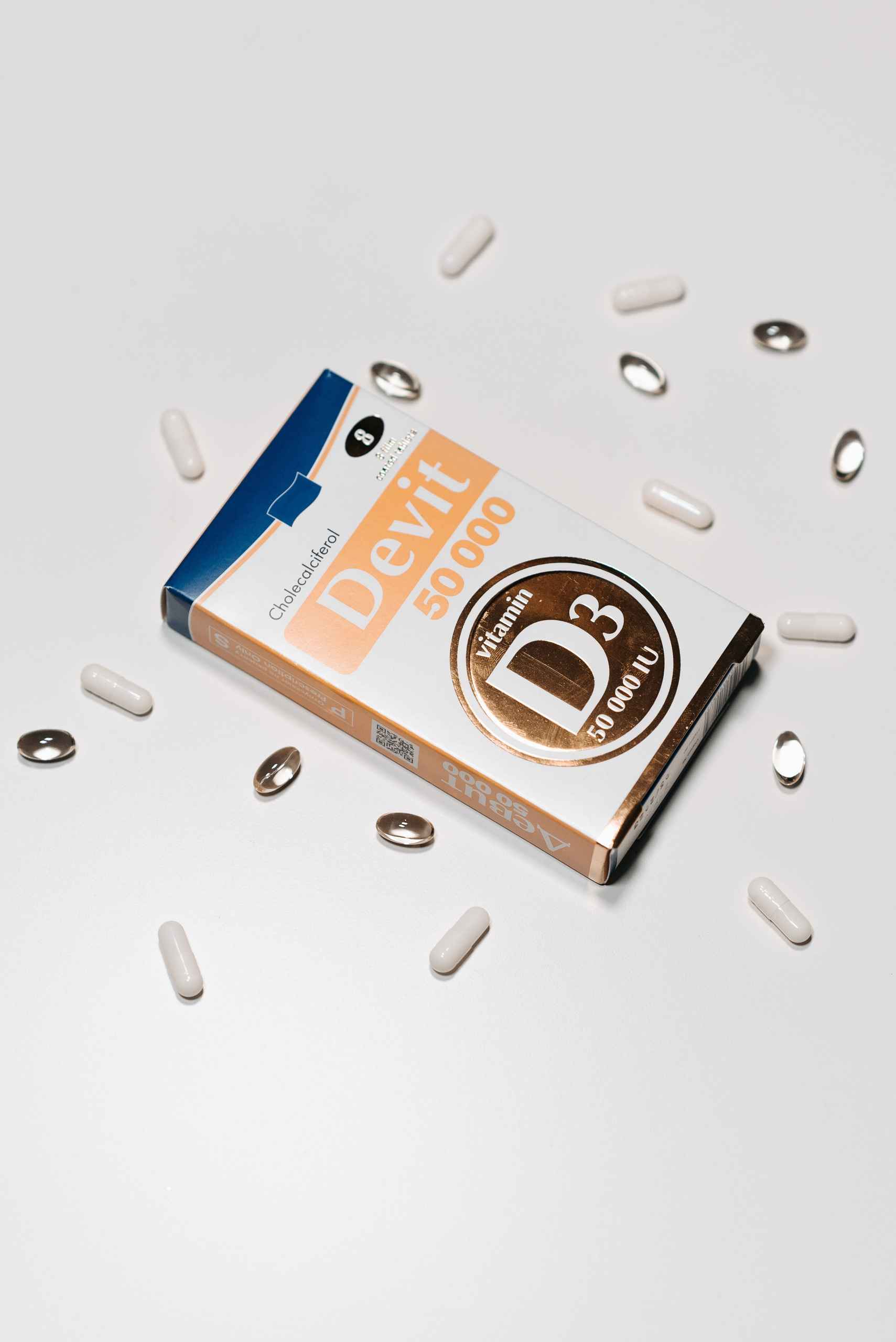
Vitamin D deficiency is a common vitamin deficiency that causes problems with the bones and muscles. It most often affects people over 65 and people with darker skin. This deficiency is preventable and treatable.
Vitamin D is one of the fat-soluble vitamins and is also classified as a hormone. The body can produce much of it itself with the help of sunlight, or obtain it from food. Vitamin D is also known as calciferol. Together with a number of other factors, vitamin D plays a key role in regulating calcium and phosphate metabolism and promotes their absorption in the intestine. In this way it contributes significantly to bone mineralisation and influences various hormones. Vitamin D is also involved in muscle metabolism and protection against infection.
How is vitamin D deficiency diagnosed?
Healthcare professionals do not usually order routine vitamin D tests, but they may need to check your level if you have certain medical conditions or risk factors for vitamin D deficiency, or have symptoms of it. A check-up in Switzerland includes measurement of vitamin D levels as part of a full body assessment.
There are two types of test a doctor may order, but the most common is 25-hydroxyvitamin D, known as 25(OH)D for short.

Where is vitamin D found?
Vitamin D is found in very few foods. Oily fish (for example herring, mackerel and salmon) is a good source. Other sources of vitamin D include cod liver oil (fish oil), egg yolk, edible mushrooms (though some cultivated mushrooms contain little or none) and fortified foods such as butter.
Plant foods contain only very small amounts of vitamin D. Vitamin D from animal products is called cholecalciferol; from plant sources, ergocalciferol.
Foods that contain vitamin D
Vitamin D occurs naturally in the following foods:
- Salmon
- Tuna
- Sardines
- Eggs
- Cod liver oil
- Beef liver
- Mackerel
- Oysters
- Mushrooms
Foods that may be fortified with vitamin D or calcium
These foods may be fortified with vitamin D and calcium during production:
- Milk
- Packaged cheese
- Yoghurt
- Kefir
- Orange juice
- Protein shakes
- Packaged fruit chews or snacks
- Oatmeal
- Soya milk
Too much or too little vitamin D
· Too much vitamin D is rare. However, both a massive acute overdose and a prolonged one are dangerous. The resulting rise in blood calcium levels can lead to increased urination, nausea, vomiting and even kidney stones – and in extreme cases to kidney failure and death.
· Too little vitamin D has an adverse effect on calcium and phosphate metabolism and, in turn, on bone balance.
A lack of vitamin D in the body can have various causes. People at risk include, for example, those who rarely spend long periods outdoors during the day, such as older people or infants. In young children, the deficiency can lead to rickets. The bones are insufficiently mineralised, become soft and deform (for example, bowed legs or delayed closure of the fontanelle).
In adults, a severe deficiency leads to remodelling and demineralisation of fully developed bones over a long period. In older people, vitamin D deficiency may, among other factors, be linked to the development of osteoporosis and may also accelerate it. Other signs of vitamin D deficiency are reduced muscle strength and increased susceptibility to infection.


