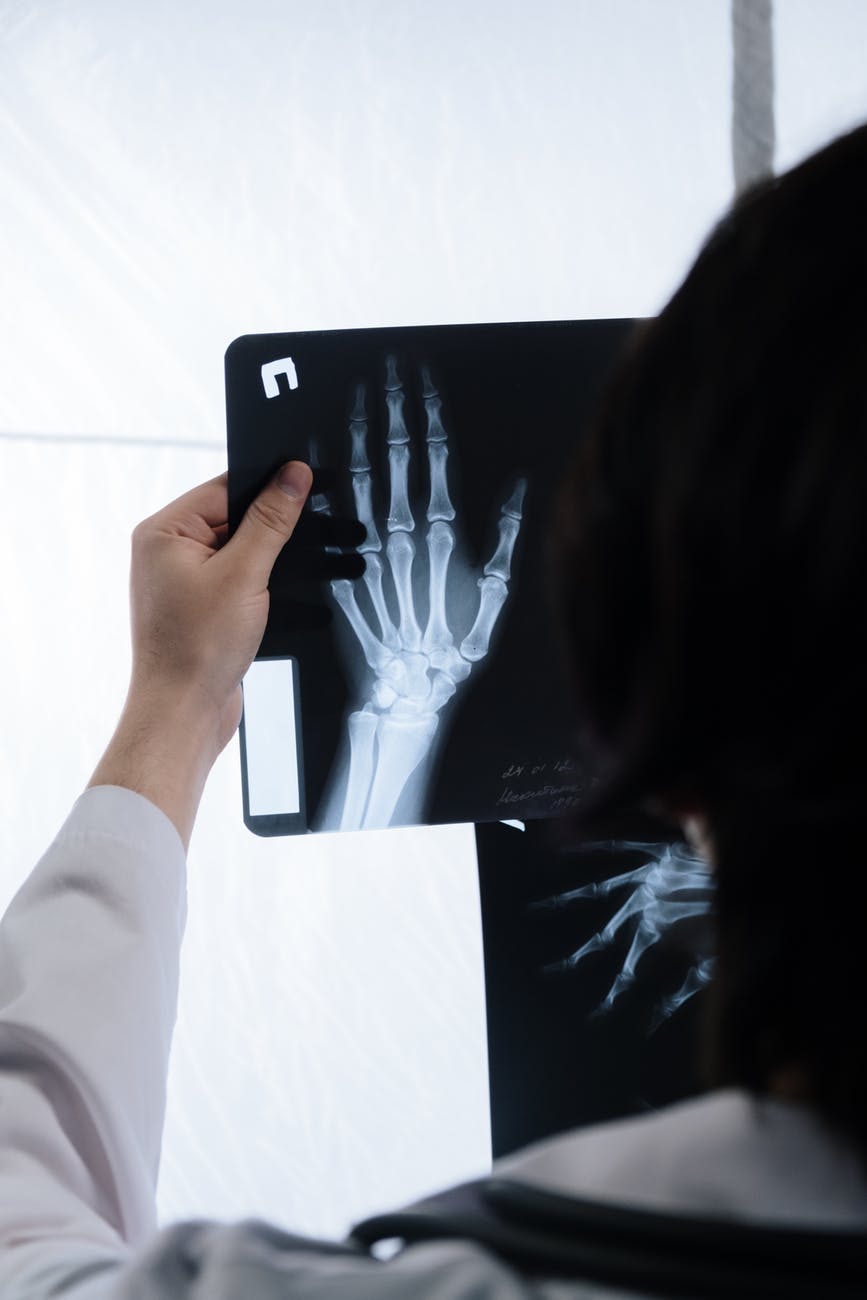
A radiologist is a specialist who diagnoses and treats diseases using ionising radiation and also studies the effect of radiation on the development of diseases and pathologies.
Most radiologists are fairly narrow specialists: some treat cancer, others focus on diagnostic methods, and still others investigate the causes of radiation sickness.
Patients who cannot be helped by available treatments turn to this specialist, as do other doctors who are unable to make a diagnosis. Using radiological diagnostic methods (ultrasound, MRI, CT, fluoroscopy and others), the doctor looks for the causes of the patient’s poor condition or of a lack of improvement under the prescribed treatment.
A radiologist’s responsibilities include:
- Diagnosing and treating tumours;
- Prescribing medication to improve the patient’s well-being;
- A rehabilitation programme after therapy;
- Monitoring ongoing investigations;
- Keeping patients informed during treatment and rehabilitation.
Types of radiation-related disease
- Radiation injuries;
- Leukaemia;
- Tumours;
- Genetic mutations.
Radiotherapy works well for most types of tumour that are free of cysts and fluid discharge. Radiation can thus successfully treat cancer of the brain, breast, lung, pancreas, skin and other organs. In some cases, radiotherapy is recommended for patients with lymphoma and leukaemia.
Prescribing radiotherapy sessions is the sole responsibility of the specialist doctor. Only they can use the patient’s data and their own diagnosis to select a suitable radiation dose that does not endanger the patient’s life but acts effectively on the tumour.
Areas of application of radiological methods
- high-precision preventive examinations of the blood vessels, heart, central nervous system, and digestive, urinary and joint systems, and in cancer;
- treatment of benign and malignant tumours of the brain and spinal cord;
- radiotherapy of tumours of various organs;
- angiography, vertebroplasty, radiofrequency treatment, joint infiltration, biopsy.
Radiology in Switzerland
Thanks to modern equipment, X-ray and radiology services in Switzerland are considered among the best in the world:
- Magnetic resonance imaging
- Computed tomography
- Digital subtraction angiography
- Digital fluoroscopy
- Conventional radiology
- Nuclear medicine (scintigraphy)
- Mammography
- Sonography

Radiology at Privatklinik Bethanien is a field of medicine that has seen a major technical breakthrough and offers medicine’s most effective tools for diagnosing and treating a wide range of diseases.
Cameras detect the radiation of a radioactive isotope, which means recordings can be made. Two types of examination are used: scintigraphy and PET scanning.


