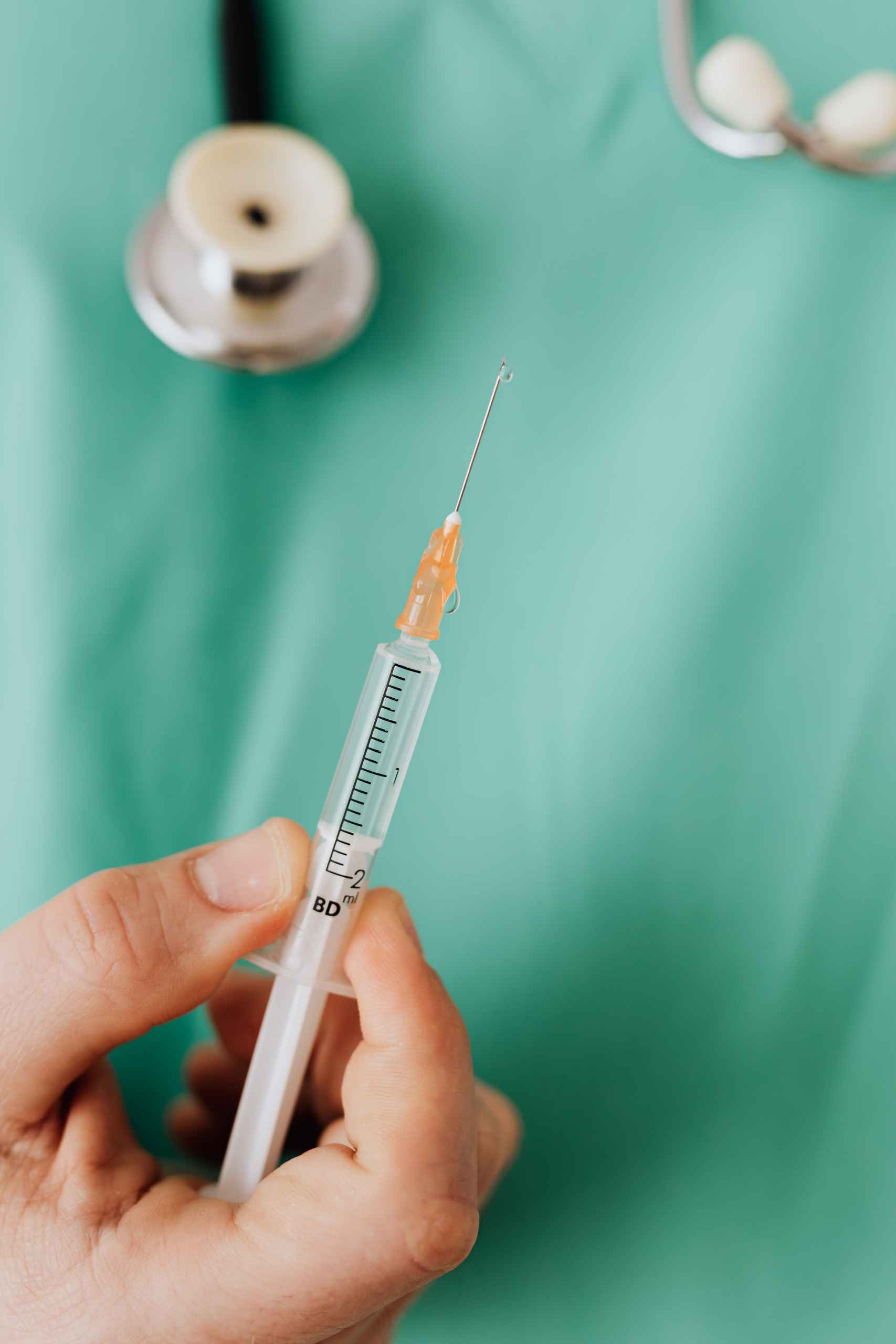
HPV, or human papillomavirus, is a common virus that can cause 6 types of cancer. Although there is no treatment for HPV, there is a vaccine that can prevent it.
If your son or daughter is between 9 and 12 years old, talk to your doctor about the HPV vaccine. The vaccine is safe and effective, and its protection is long-lasting.
Vaccinating your child at the recommended age can help keep them healthy in adulthood and is the best way to prevent HPV-related cancer later in life.
Vaccination is available at many European clinics, including the best clinics in Switzerland.
The HPV vaccine can protect your child’s future, as it helps prevent six types of cancer later in life.
- HPV is a common virus that can cause 6 types of cancer.
- Prevention matters. HPV cannot be cured, but there is a vaccine that can prevent it.
- The HPV vaccine works best when given to boys and girls aged 9 to 12.
- The HPV vaccine is safe and effective, and its protection is long-lasting.

What does the HPV vaccine do?
Various strains of HPV are sexually transmitted and are linked to most cases of cervical cancer. Gardasil 9 is a vaccine against HPV.
This vaccine can prevent most cases of cervical cancer if given before girls or women are exposed to the virus. It can also prevent vaginal and vulvar cancer. In addition, the vaccine can prevent genital warts, anal cancer and cancers of the mouth, throat, head and neck in women and men.
In theory, vaccinating boys against the HPV types associated with cervical cancer may also help protect girls from the virus by possibly reducing transmission.
Who should not have the HPV vaccine?
The HPV vaccine is not recommended for pregnant women or for people with a moderate or severe illness. Tell your doctor if you have any serious allergies, including an allergy to yeast or latex. In addition, if you have had a life-threatening allergic reaction to any component of the vaccine or to a previous dose, you should not be vaccinated.
Do women who have had the HPV vaccine still need a Pap smear?
Yes. The HPV vaccine is designed to complement the Pap test, not to replace it. Routine cervical cancer screening with regular Pap smears, starting at age 21, remains an important part of preventive healthcare.


