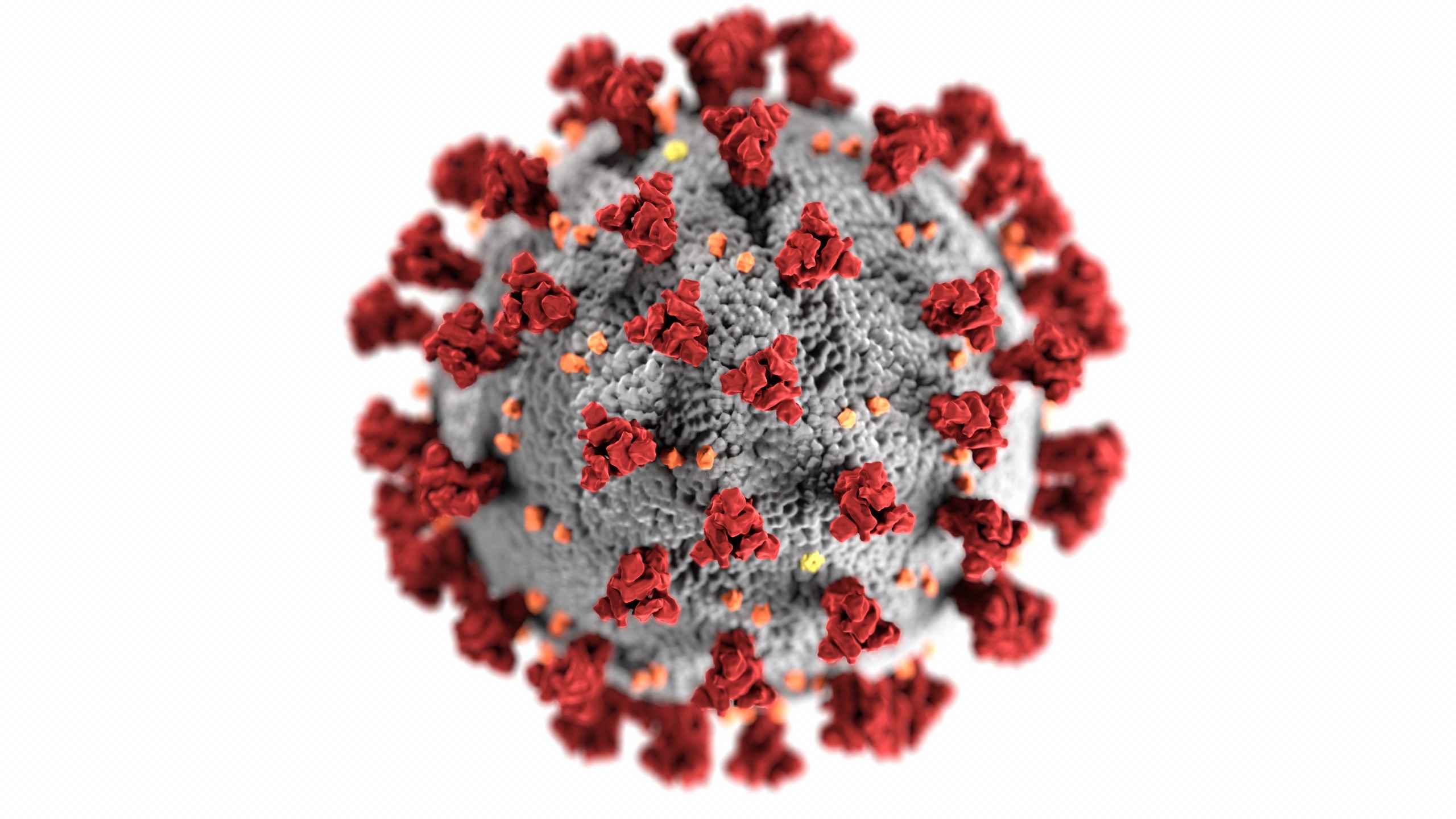
Human papillomavirus, HPV for short, is the most common sexually transmitted virus in the world. More than 200 types are known today, of which around 40 affect the genital organs. Some of these viruses are responsible for benign genital warts, while other types play a major role in the development of cervical cancer and other carcinomas of the vulva, vagina, anus, oropharynx and penis and, according to more recent research, of the skin as well.
Symptoms
An HPV infection often goes unnoticed at first, as it frequently causes no signs, i.e. it is asymptomatic. In most cases the infection clears within a year without any health problems, thanks to an effective immune response. This is why people often do not even know that they have, or have had, an HPV infection. Some types of HPV can cause genital warts (also called condylomas) a few weeks after infection. Genital warts are the most common HPV-related condition of the external genitalia. With persistent infection by certain cancer-causing types of HPV, some people may develop certain precancerous stages or cancer over many years.
HPV — diagnosis
Warts, or condylomas, usually require no in-depth diagnostics; the diagnosis can be made “at first glance”. In case of doubt, a biopsy of the lesion and histopathological examination are available. Changes to the cervix caused by HPV can be detected through cytology, histopathological examination and tests that detect viral DNA (PCR).
As there is no treatment for HPV itself, timely screening and detection of the virus are very important. It is essential to monitor changes to the cervix and other organs that HPV can affect. Diagnostics in Switzerland, including gynaecology in Switzerland, include tests to detect HPV, as well as treatment of the organs it has affected.
HPV IS TRANSMITTED IN MORE WAYS THAN SEXUAL CONTACT
Although human papillomavirus is most often transmitted during vaginal, anal or oral sex, the virus can also spread in other ways. HPV is also transmitted through direct contact with the saliva or blood of an infected person, and during childbirth. It is also worth remembering that infection can occur during a visit to a hairdresser, beautician, swimming pool, tattoo studio or sauna.
ONLY SOME TYPES OF THE VIRUS CAUSE CANCER
More than 200 types of human papillomavirus are known. Among them are high-risk (oncogenic) types that increase the risk of certain cancers, such as cancer of the cervix, anus or vulva, and low-risk types that usually result in genital warts around the genital organs and intimate areas of men and women.
- low-risk viruses: types 6, 11, 13, 30, 40, 42, 43, 44
- high-risk (carcinogenic) viruses: types 16, 18, 31, 33, 35, 39, 45, 51, 52, 56, 58 and 59
Types 16 and 18 are responsible for the development of cervical cancer, one of the most common cancers in women. High-risk variants of HPV call for particular oncological vigilance and appropriate prevention, including regular visits to a gynaecologist and a Pap smear.
HPV and oropharyngeal cancer
Infection with types 16, 18, 31 and 33 is also associated with a higher incidence of tumours: cancer of the larynx, cancer of the tonsils, cancer of the mucous membrane of the gums and cheeks, and leukoplakia.
HPV — vaccine
A specific form of prevention of cervical cancer and other HPV-related cancers is vaccination against human papillomavirus, available from the age of 9. The vaccine is a non-live vaccine. Vaccination is particularly recommended for young girls and boys (ideally before they become sexually active) and for young people up to the age of 26.
The vaccine is optional rather than mandatory, and is therefore paid for privately.


