The stomach lining plays an important role in keeping the digestive system healthy. It is responsible for producing the acid and enzymes in the stomach that are needed to break down food, so that the body can obtain the nutrients it needs.
The stomach also secretes mucus to protect itself from damage by acid. Sometimes, however, the lining becomes inflamed and begins to produce less acid, fewer enzymes and less mucus. This type of inflammation is known as gastritis, and it is often associated with stomach pain and discomfort.
Gastritis is defined as a condition in which the protective lining of the stomach becomes inflamed. It is usually classified into two types: acute gastritis and chronic gastritis.
- Acute gastritis involves sudden and severe inflammation of the stomach lining.
- Chronic gastritis involves long-term inflammation that can last for years; if left untreated, it can cause bleeding in the abdominal cavity or increase the risk of stomach cancer.
There is another classification of gastritis, known as erosive gastritis. This is a less common form of the condition that does not cause severe inflammation but can lead to bleeding and ulcers in the stomach lining.
Diet is very important in the treatment of gastritis. Treatment in Switzerland for acute and chronic gastritis includes a specially tailored menu for the fastest possible recovery and restoration of the stomach lining.
Foods to include in a gastritis diet
Changing the diet can help patients relieve the symptoms of gastritis by helping to eliminate the bacterium Helicobacter pylori, which causes the condition.

Yoghurt is also considered a beneficial food in a gastritis diet. In a study published in the American Journal of Clinical Nutrition, the probiotics contained in yoghurt (combined with medication) showed greater health benefits in eliminating Helicobacter pylori than in people who took medication alone.

Yoghurt also contains good bacteria that improve the body’s ability to fight unwanted bacteria in the stomach.
What can you eat with gastritis?
The diet of a person with gastritis should be properly balanced so that it does not lead to nutrient deficiencies.
The diet should be based on the principles of a standard diet, but with small changes in the choice of foods.
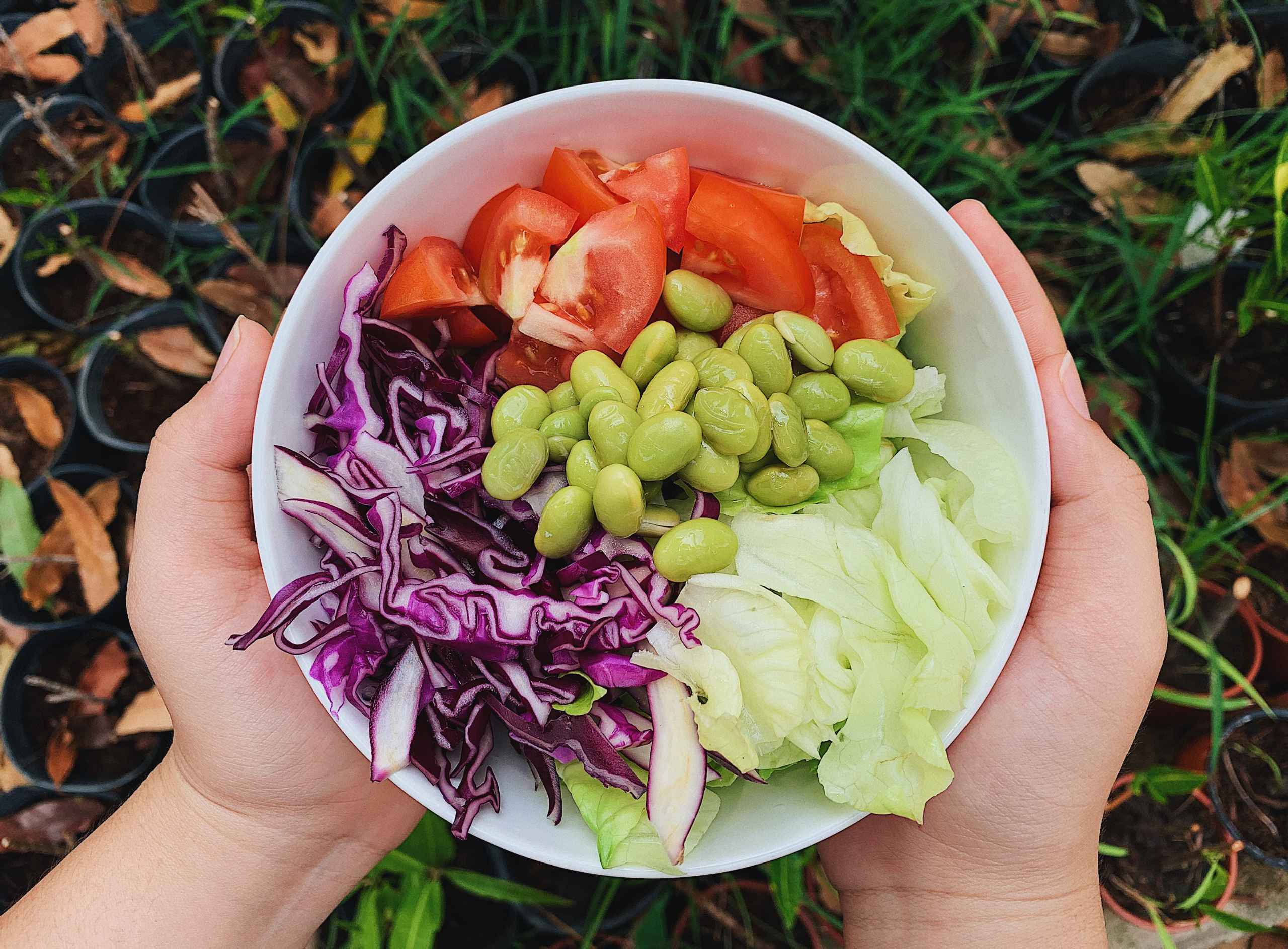
Vegetables, which should make up at least half of the daily diet, should be young and cooked, for example boiled or steamed. Ripe fruit is also a good choice.
It is best to peel them and remove the seeds. In some cases, they also need to be blended into a mousse or purée so that they are better tolerated.

For grain products (cereals, bread, pasta, flakes), preference should be given to soft, easily digestible options — for example:
- wheat bread,
- quick-cooking oats,
- barley groats, semolina,
- white rice,
- thin pasta.
Which bread a patient with gastritis should choose depends on how pronounced their symptoms are. Although refined products are recommended (for example wheat bread, white wheat rolls, top-grade wheat flour, rusks), many patients tolerate bread with a little more fibre well, such as wheat-rye bread.
Recommended protein-rich foods include:
- lean meat and fish,
- lean processed meats,
- natural low-fat dairy products (low-fat cheese, natural yoghurt),
- eggs (cooked the right way, for example soft-boiled).
And what should you drink with gastritis?
People with gastritis should turn to drinks such as mineral water and weak tea infusions, as well as certain herbs (for example chamomile and lemon balm).
Particular care should be taken when buying infusions intended to aid digestion. They contain mint, which is known to increase the secretion of gastric juice.
What should you avoid eating with gastritis?
It is advisable to limit foods that increase the secretion of gastric juice. These include:
- fatty meat,
- strong meat broths,
- meat and fish aspic,
- foods that cause flatulence (for example beans and broad beans),
- alcohol,
- coffee,
- strong tea,
- spicy seasonings.
Processed foods such as sweets and fast food should be avoided because of their high sugar, salt and saturated fat content. Frying, especially deep-frying, and baked goods that are pre-fried should also be avoided.


