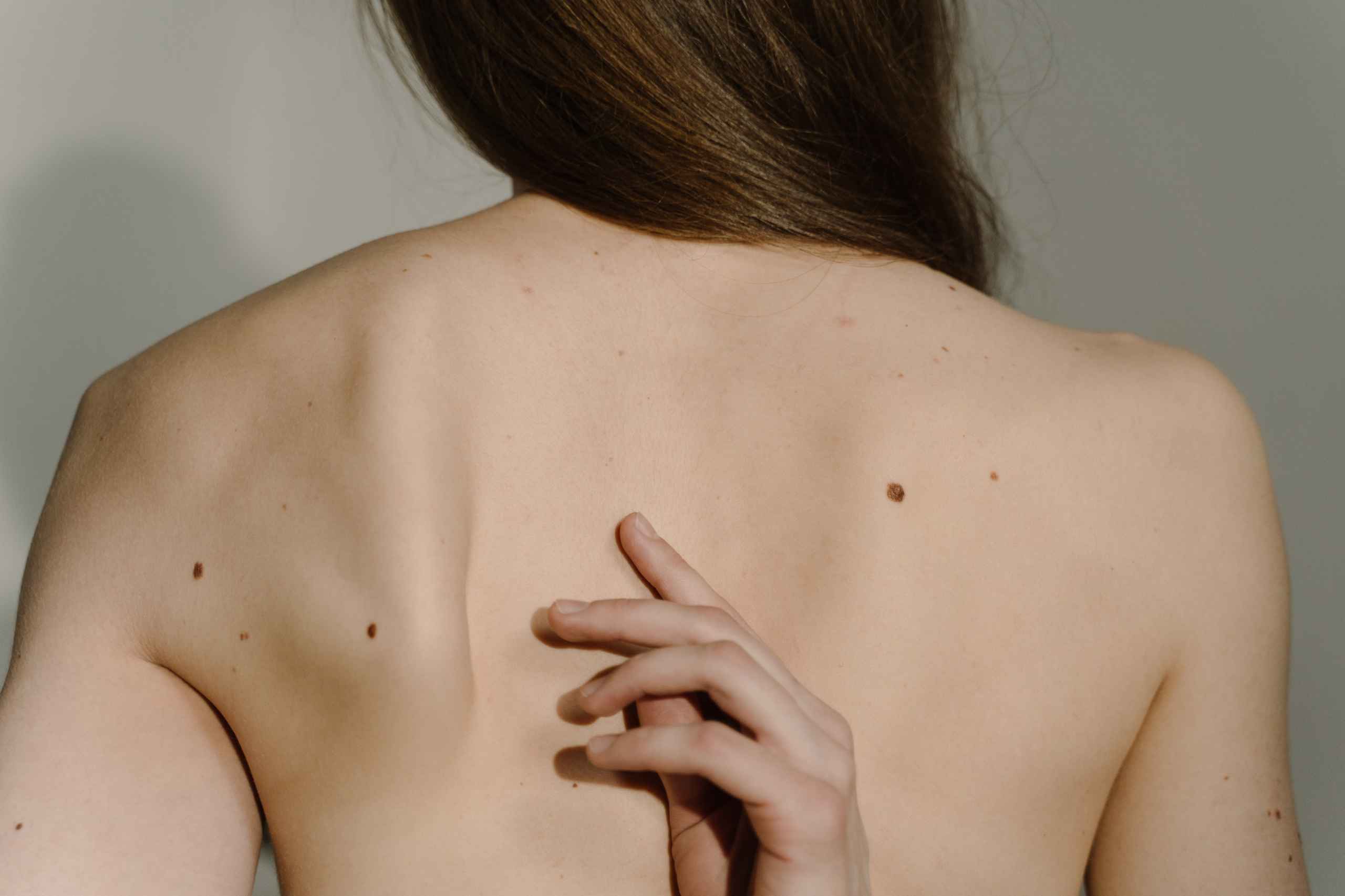
May is National Skin Cancer Awareness Month, which means it is time for your annual skin check. What is that? Do you have your skin checked every year? You certainly should. Skin cancer is the most common type of cancer in Europe, diagnosed in a very large number of people every year.
At clinics in Switzerland, we are aware of the risk of developing skin cancer and recommend that all our patients have an annual skin check and, where needed, timely treatment in Switzerland.
By seeing a dermatologist once a year, you can prevent skin cancer and have it diagnosed at an early stage should it occur. These annual preventive skin checks are even more important for people with a history of sunburn, sunstroke or skin cancer, and doctors at clinics in Switzerland often recommend that such patients carry out a thorough self-examination of their skin at home at least once a month.
What happens during a skin check?
The skin is our largest organ, protecting the body from head to toe. It can be affected by anything from childhood rashes to allergies, chronic skin conditions or skin infections, and benign and malignant tumours. Mental health problems or the side effects of medication can also affect the condition of the skin. Sometimes skin problems have several causes that can reinforce one another.
If you have any complaints or visible changes in your skin, it is advisable to see a doctor. If the doctor finds skin changes, a rash or numerous moles during the examination, you will be referred to a dermatologist.
Dermatology in Switzerland, with CorSwiss organising your treatment, always means the best doctors, advanced therapies, state-of-the-art technology and equipment, and comfortable accommodation in a five-star hotel.
Which skin changes should you pay attention to?
To describe skin changes as precisely as possible and find a clue to their cause, doctors look at the following:
- Type of skin change: among other things, specialists distinguish between spots, nodules and blisters. Scales, crusts and sometimes ulcers or scars can develop from the original skin change.
- Colour: is the skin reddened or discoloured, for example yellowish or bluish?
- Condition of the skin: is the skin thickened or, for example, can firm nodules be felt?
- Difference from healthy skin: do the edges of the skin changes look smooth or irregular? Are they clearly defined, or do they “blur” into the normal skin?
- Size, distribution, location on the body and shape: does the rash consist of small or large spots, and are blisters or scales forming? Where on the body are the skin changes? Are they spread over an area, in a line or in a circle, and do they appear symmetrically on both sides or on one side only?
- Accompanying symptoms: does the affected area of skin itch, burn, bleed or hurt?
As soon as you notice anything suspicious — a new mole, a mole that has changed or any other growth on the skin — book an appointment straight away at one of the leading clinics in Switzerland or with a local dermatologist. The doctor will examine your skin and may take a biopsy to check for cancerous or precancerous cells.
Our clinics have dermatologists and surgeons with extensive practical experience. We recommend having your preliminary examination, diagnostics and treatment at clinics in Switzerland — all in one place, which is very convenient.


