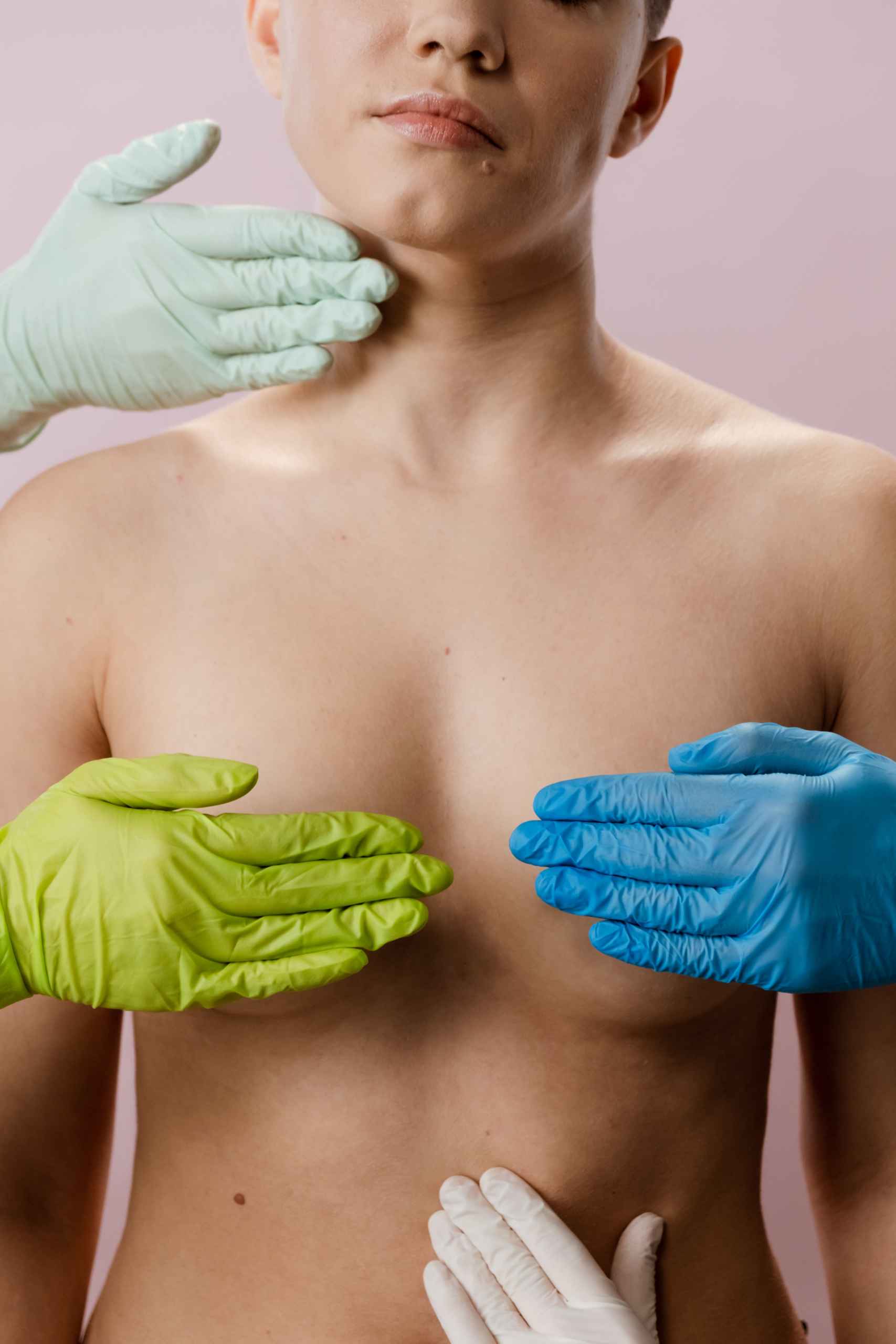
Mammography is an X-ray examination of the breast. It is used to detect and investigate breast conditions in women who have breast problems such as swelling, pain or nipple discharge, as well as in women with no complaints at all. The procedure can detect breast cancer, benign tumours and cysts before they can be felt on palpation.
Typical clinical questions in mammographic imaging:
- early detection of breast cancer (screening)
- assessment of a lesion found on palpation
- breast pain (mastodynia)
- assessment of the extent of diagnosed breast cancer
- follow-up after breast cancer
If you are unsure which procedure is most suitable, doctors in Switzerland will be pleased to advise you.
When and for whom is mammography recommended?
If you have breast problems, a comprehensive examination is recommended. An immediate examination is recommended if there is a palpable lump in the breast, retraction of the skin or nipple, nipple discharge, enlarged lymph nodes in the armpit or inflammation of the breast. Mammography is essential for people over 30/35.
For women at moderate risk and without symptoms, a regular annual examination is recommended from the age of 40.
Breast ultrasound complements mammography in women over 30/35, and in women under 30 it can be used on its own or as the first screening test. It can also be used to monitor lesions that are visible only on ultrasound, but it does not replace mammography.
Screening is a particular priority for women who:
- have never given birth or have only one child;
- have a hereditary predisposition to breast disease or cancer;
- have not breastfed or breastfed only briefly;
- have a history of several abortions;
- do not have a regular sex life;
- are prone to stress;
- live in an area with poor environmental conditions;
- have obesity, diabetes, or disorders of the ovaries, thyroid or liver;
- drink alcohol or smoke;
- have had even minor injuries to the breast.
Preparing for mammography
Mammography is best carried out at the beginning of the menstrual cycle (preferably on the 8th to 12th day after the start of menstruation). The breast is easier to image at this time and is less tender.
No special preparation is needed before mammography. On the day of the examination, avoid cosmetics (cream, cleansing milk, perfume, talc) and jewellery. These precautions ensure a high-quality mammogram. Wear a T-shirt and a skirt or trousers, as this will be more convenient. If you take medication, you do not need to stop, but you should let your doctor know.
It is also important to send previous images so that the doctor can compare them with the new ones and identify any changes.
How is mammography performed?
During mammography, you stand in front of an X-ray machine. The radiographer places your breast between two plastic plates, which press the breast flat. This may be uncomfortable, but it helps produce a clear image.
Both breasts are X-rayed from the front and from the side. A radiologist then reads the mammogram, checking the images for early signs of breast cancer or other problems. You will usually receive the results within a few weeks.
Do breast implants affect mammography results?
Breast implants often reduce the accuracy of mammography, because silicone and saline implants are not transparent on X-ray images and block a clear view of the surrounding tissue, especially if the implant sits in front of rather than behind the chest muscle. Experienced radiologists know how to compress the breast gently to improve visibility while protecting the implant.
At Switzerland’s leading clinics, qualified breast specialists give careful attention to every concern you raise and make an accurate diagnosis based on the results of digital mammography. Where necessary, they prescribe appropriate treatment and provide proper support at every stage of care.


