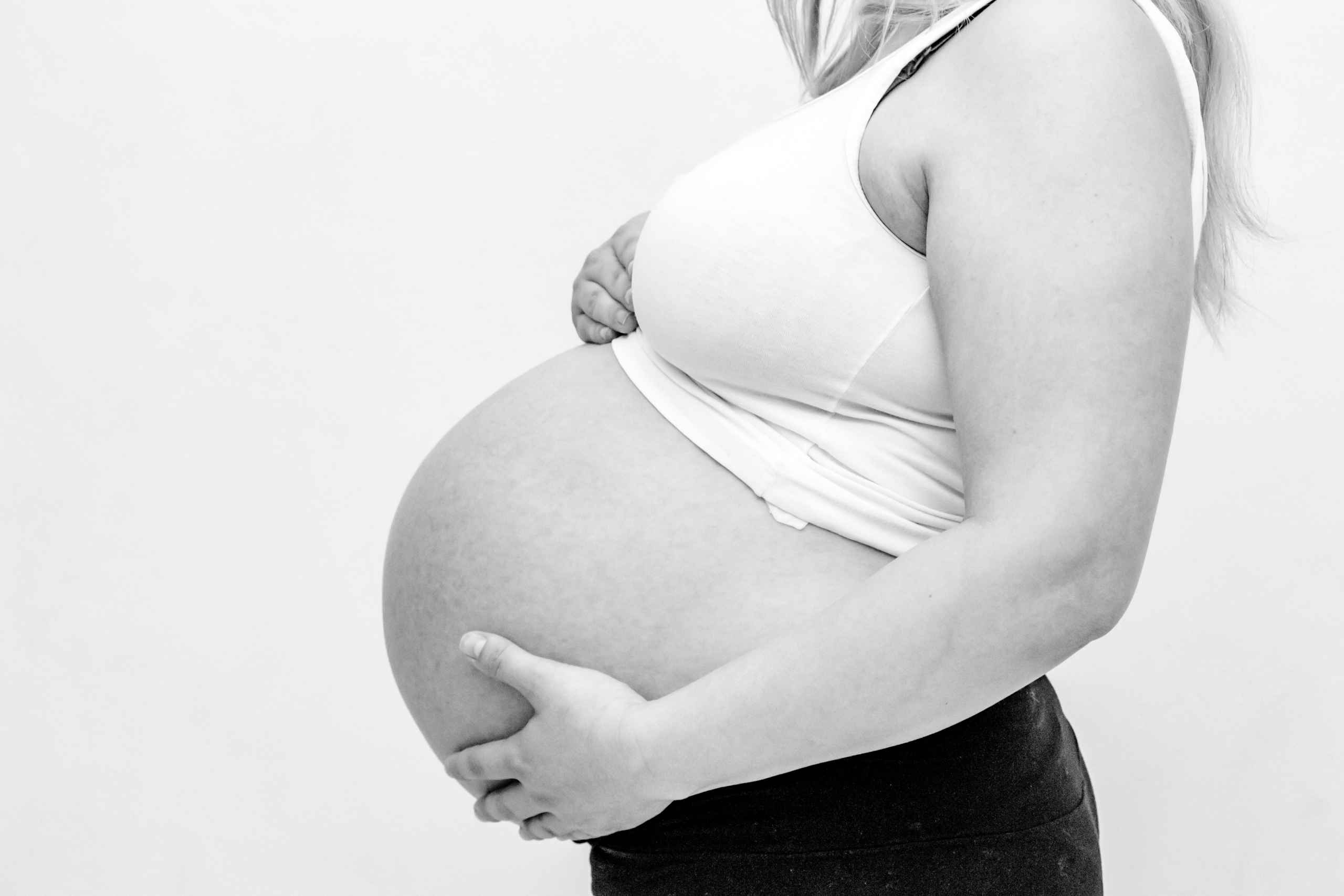
Physical preparation for childbirth
Your body has already achieved so much: you have become pregnant, and your baby is well cared for, growing and developing inside you. For several weeks your breasts have been preparing to feed your baby, and back pain, heavy legs or frequent urination show that your body is working at full capacity. These are some of the signs that your body is ready for birth and is preparing for it on its own. Even so, you can actively prepare your body for childbirth.
Choosing a maternity clinic before the birth
Before choosing a hospital, it is worth drawing up a list of facilities that meet your expectations and visiting them in person. Hospitals differ in their standards, the furnishing of their rooms, their approach to women in labour and so on. Talking to midwives and to women who have recently given birth will give you a general idea of what your baby’s arrival might look like in that particular place. In larger clinics, women can choose whether to give birth in a large delivery suite with other mothers or to have a private room of their own. A private room involves additional costs but offers far greater comfort, so this option is well worth considering.
Switzerland is one of the finest places to give birth to your baby. Every year, more than 600 babies are born at Privatklinik Bethanien in Zurich, Clinica Sant’Anna in Lugano and Klinik Lindberg in Winterthur.
Giving birth in Switzerland means:
- Highly qualified doctors
- Modern technical and medical equipment
- A high level of comfort
- Support both before and after the birth
- A personal midwife
- A delicious menu
Exercises before the birth
Pelvic floor exercises help strengthen the pelvic floor muscles. During pregnancy and childbirth these muscles come under considerable strain. The pelvic floor consists of layers of muscle that stretch like a hammock from the pubic bone (at the front) to the base of the spine. If the pelvic floor muscles are weak, urine may leak when you cough, sneeze or strain. This is called stress incontinence and can persist after pregnancy.
Training your pelvic floor muscles helps your body cope with the growing weight of your baby. Healthy, toned muscles before the birth recover more easily afterwards and help reduce or avoid stress incontinence after pregnancy. All pregnant women should do pelvic floor exercises, even if they are young and do not suffer from stress incontinence.
How to prepare emotionally for childbirth
Many specialists believe that a successful birth depends to a great extent on a woman’s positive attitude and her knowledge of childbirth. Knowing what to expect reduces anxiety and helps a woman cope better with physical pain. Composure, calm and a clear head also have a positive effect on the newborn baby.
Antenatal classes are the best way to learn to control your body and emotions during labour.
For a pregnant woman to overcome her fears and feel capable of giving birth, it is important to have a medical professional at her side who explains what happens once labour begins, how to proceed and what she herself can do in this situation.


