A urinalysis is one of the basic preventive check-ups. Why are such check-ups worth having? A urinalysis helps to assess the function of the kidneys and urinary system and to monitor the liver. It also detects diabetes and jaundice.
Why is urine tested?
A urinalysis is a common test that can assess many different aspects of your health from a urine sample. Healthcare professionals often use urine tests to screen for or monitor certain health conditions and to diagnose urinary tract infections.
Of all the basic preventive check-ups, this one is the least demanding. A urinalysis requires the least effort. All you need is a sterile, tightly sealed container, available at any pharmacy for very little. In the morning, wash quickly (so that the urine sample stays sterile) and urinate into the container, which must be delivered to the laboratory within four hours. A preventive urine test gives the doctor a great deal of valuable information about our health, so it is worth having regularly.
The main reason urine tests are useful is to monitor your kidneys. Their task is to filter the blood and remove waste and toxic substances, which leave the body in the urine. The kidneys also remove acid produced by the body’s cells and maintain the balance of water, salts and minerals in the blood: sodium, calcium, phosphorus and potassium.
A urinalysis allows conclusions to be drawn about:
- Kidney disease: functional limitations
- Metabolic disease: diabetes mellitus
- Infections: urinary tract infections
- Or specific questions: a pregnancy test, drug use, drug levels, hormones.
When should a urinalysis be carried out?
A urinalysis should be carried out:
- to check your general state of health,
- during pregnancy,
- to detect disorders of individual organs (such as the kidneys, adrenal glands or liver),
- when worrying symptoms appear, such as pain when urinating, blood in the urine, frequent urination or recurring abdominal pain,
- as part of monitoring your wellbeing when an illness is present.
What to do after a urinalysis
Discuss the results of your urinalysis with a specialist, as some over-the-counter medicines and dietary supplements can affect individual values. If the test reveals any abnormalities, further tests and examinations will be needed.
If your urinalysis shows abnormalities, consult a urologist for further advice.
CorSwiss arranges treatment in Switzerland, including in urology. Urology in Switzerland is represented by world-renowned specialists and private clinics equipped with advanced technology for the treatment and early detection of urinary tract problems.
Technique: how is the test carried out?
There are specific conditions for collecting urine. The test is preferably carried out in the morning. Morning urine is particularly suitable for various diagnostic tests. This urine remains in the bladder overnight and is collected in the morning as a midstream sample. Because it has been in the bladder for a long time, it is well suited to detecting various proteins.
Once the first-morning urine has been collected, the laboratory examines it in two stages.
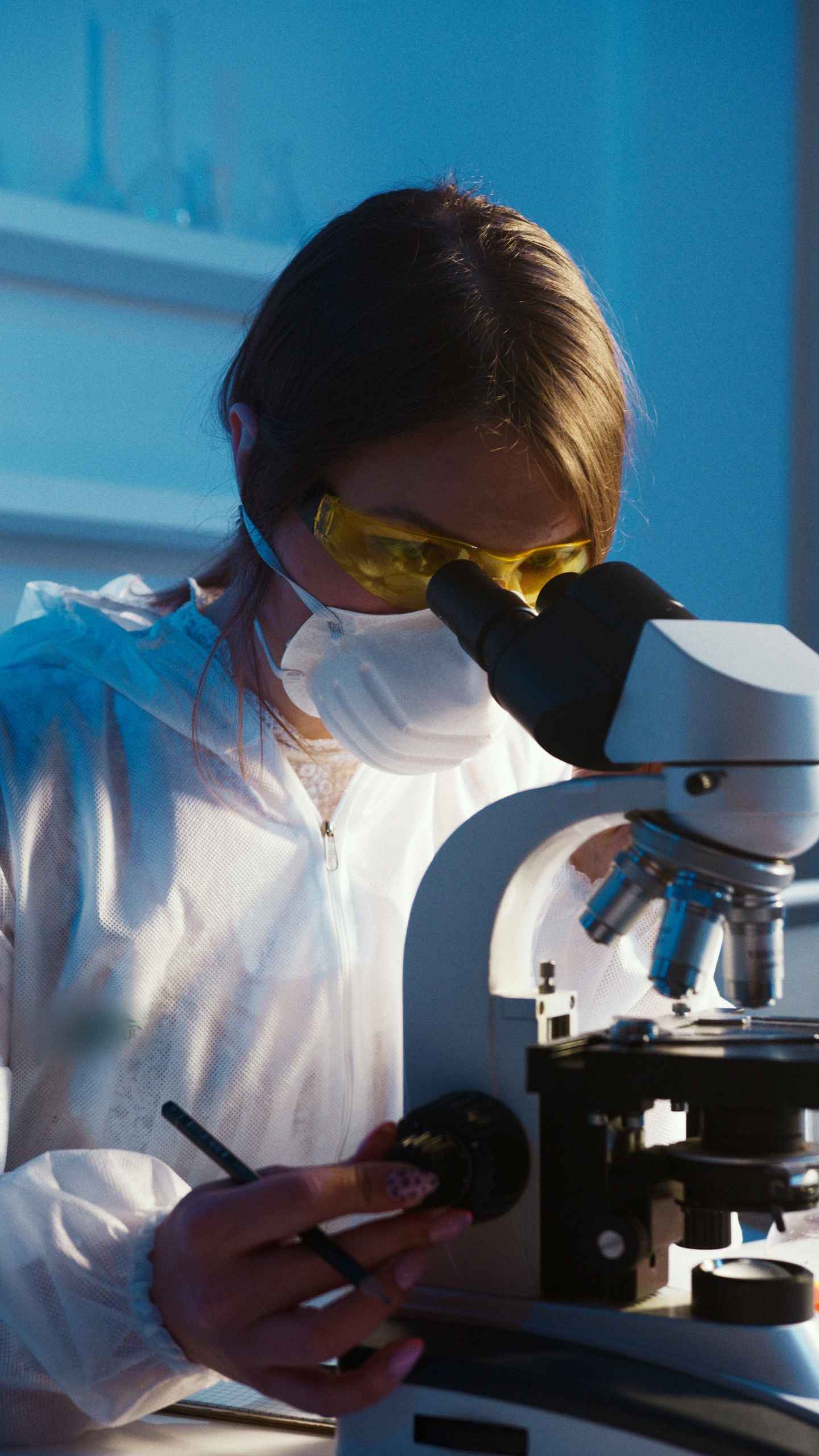
- The first is a purely cytological examination, in which the urine is observed under a microscope to detect an abnormally high concentration of leucocytes, cells that multiply in the event of infection. If a urinary tract infection is confirmed, a urine culture is performed, in which the bacteria are grown.
- A bacteriological examination follows. This determines the number and type of bacteria responsible for the infection. Based on the result, the doctor can then choose the appropriate treatment.
Urinalysis results: what do they show?
A urinalysis consists of several stages:
- visual inspection,
- chemical assessment,
- microscopic examination of the urine.
Chemical assessment of the urine
The chemical assessment looks for substances that should not appear in the urine of healthy people. The most frequently tested are:
- Protein
- Glucose
- Ketones
- Bilirubin
- Albumin
- Acidity
Microscopic examination of the urine
Microscopic examination can detect the presence of red blood cells, white blood cells, bacteria, casts and crystals.


