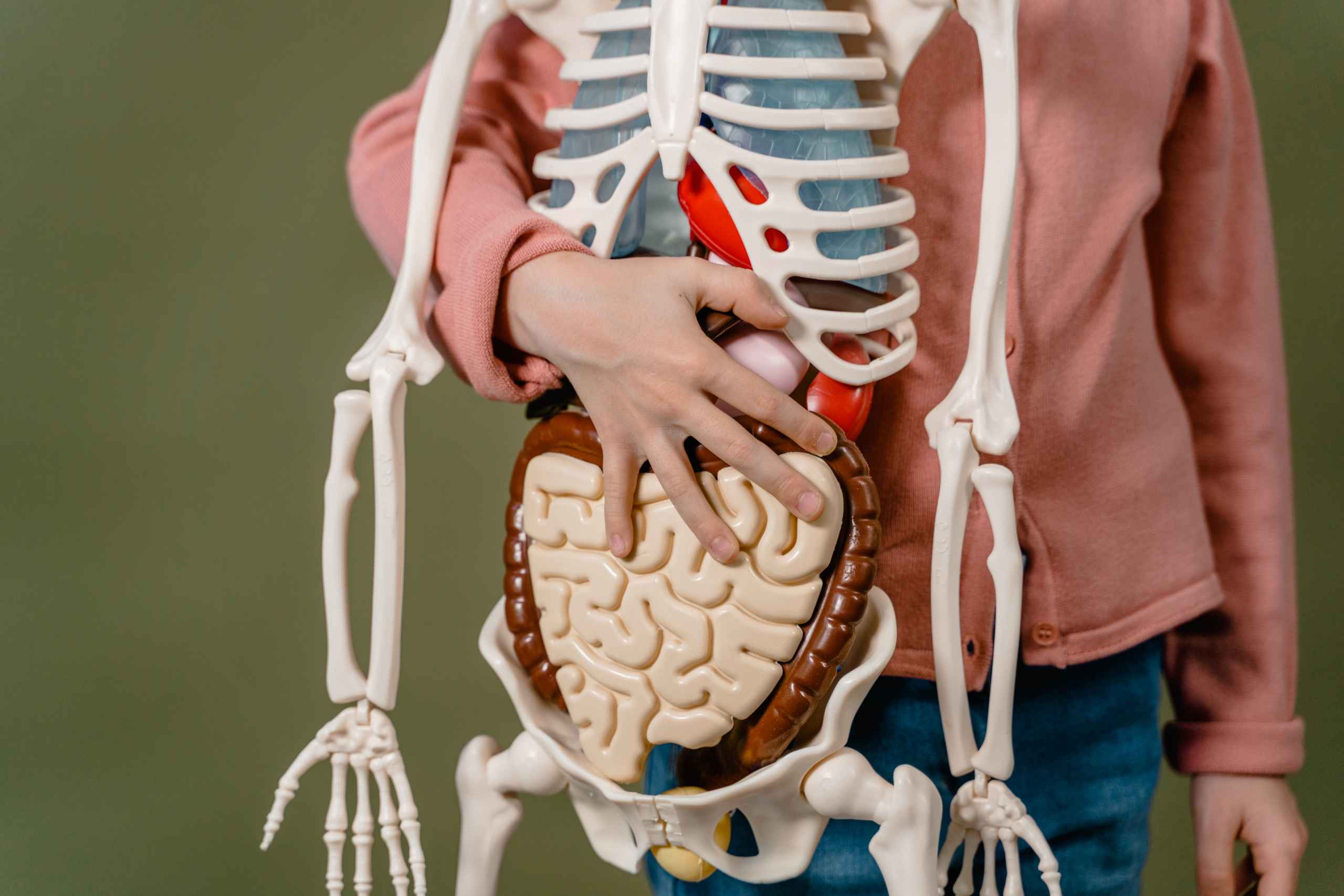
Gastroenterology is one of the specialties of treatment in Switzerland. Thanks to many years of experience and the use of the most advanced medical equipment, gastroenterology in Switzerland is as highly developed as anywhere in the world.
One of the most important examinations in gastroenterology is gastroscopy. Its simplicity, painlessness and the high accuracy of its results make gastroscopy indispensable in the diagnosis of digestive diseases.
Gastroscopy is an endoscopic examination of the digestive tract that allows the inner wall of the stomach to be examined. It is currently the reference examination for the oesophagus, stomach and duodenum. It makes it possible to identify any lesions and to take a biopsy (removal of a fragment of tissue for examination under a microscope).
Fibre-optic gastroscopy has distinct advantages as a method of examining the gastrointestinal tract. This examination is available at the best clinics in Switzerland.
Why is gastroscopy performed?
There are various situations in which gastroscopy can be helpful. These may be long-standing, diffuse symptoms or a very specific suspicion of a disease.
Gastroscopy may be performed for the following symptoms:
- frequent vomiting
- persistent stomach pain
- severe heartburn
- an unexplained feeling of pressure in the upper abdomen
- Loss of appetite and unexplained weight loss
- stools turning black
These symptoms may indicate, for example, bleeding or cancer. Gastroscopy is very important when bleeding from oesophageal varices, a stomach ulcer or cancer is suspected.
Which diseases can gastroscopy detect?
Gastroscopy can detect inflammation of the stomach lining (gastritis),
- stomach or duodenal ulcers,
- changes in the lining of the oesophagus (Barrett’s oesophagus is a particular condition characterised by metaplasia of the squamous epithelium of the oesophagus, i.e. its replacement by columnar epithelium of the intestinal type. This is seen in long-standing gastro-oesophageal reflux disease and is one of its most serious complications),
- oesophageal varices
- cancers of the oesophagus and the upper digestive tract, such as oesophageal cancer and stomach cancer, are diagnosed and sometimes even treated.
What can gastroscopy be used for?
- The mucous membranes can be examined carefully from top to bottom to see whether they are irritated and whether there are, for example, wounds or tumours. Gastroscopy is a very effective examination method that has almost entirely replaced X-rays. It gives a good overview of the condition of the oesophagus, stomach and duodenum.
- Various tissue samples can be taken and photographs made through the gastroscope. Video recording is also possible, so that the mucous membrane can be studied on screen and recorded. The recording can be useful for later comparison, for example after treatment has been completed.
- Various procedures can be performed with a gastroscope:
- Narrowings can be widened.
- Samples of the mucous membrane can be taken.
- Polyps can be removed.
- Mucous membrane can be removed.
- Bleeding can be stopped.
- Ultrasound examinations can be performed from inside the intestine.
- Gallstones can be removed from the bile ducts.
- Blockages in the bile ducts can be cleared.
- Cysts can be removed.
- Operations on abdominal organs such as the gallbladder and appendix have also been performed using a gastroscope.
How to prepare for a gastroscopy
Your preparation for the procedure should be approved by your doctor.
- Gastroscopy is usually performed in the morning on an empty stomach, with no food for 8–10 hours before the examination.
- A special diet before the procedure is not required, but the following foods should be avoided for 2 days beforehand: chocolate biscuits and chocolate, alcohol, spicy food, nuts and seeds.
- On the evening before the examination, a light, easily digestible evening meal (excluding salads) is recommended – before 18:00.
- On the day of the procedure, smoking and chewing gum are not recommended.
- On the day of the procedure, the following is permitted: up to 2–4 hours beforehand you may drink water or weak tea (sugar allowed).
- If the procedure takes place in the afternoon, a light snack is permitted, but no later than 8–10 hours before the examination. Avoid fluids (water, tea) for 2–4 hours beforehand.
Gastroscopy – duration
The duration of a gastroscopy varies depending on the reason for the procedure. A diagnostic gastroscopy usually takes about 15 minutes. The examination takes longer if tissue samples are taken, bleeding is stopped or minor surgical procedures are performed. The entire gastroscopy procedure – preparation, the examination itself and subsequent observation – can take up to 2 hours.


