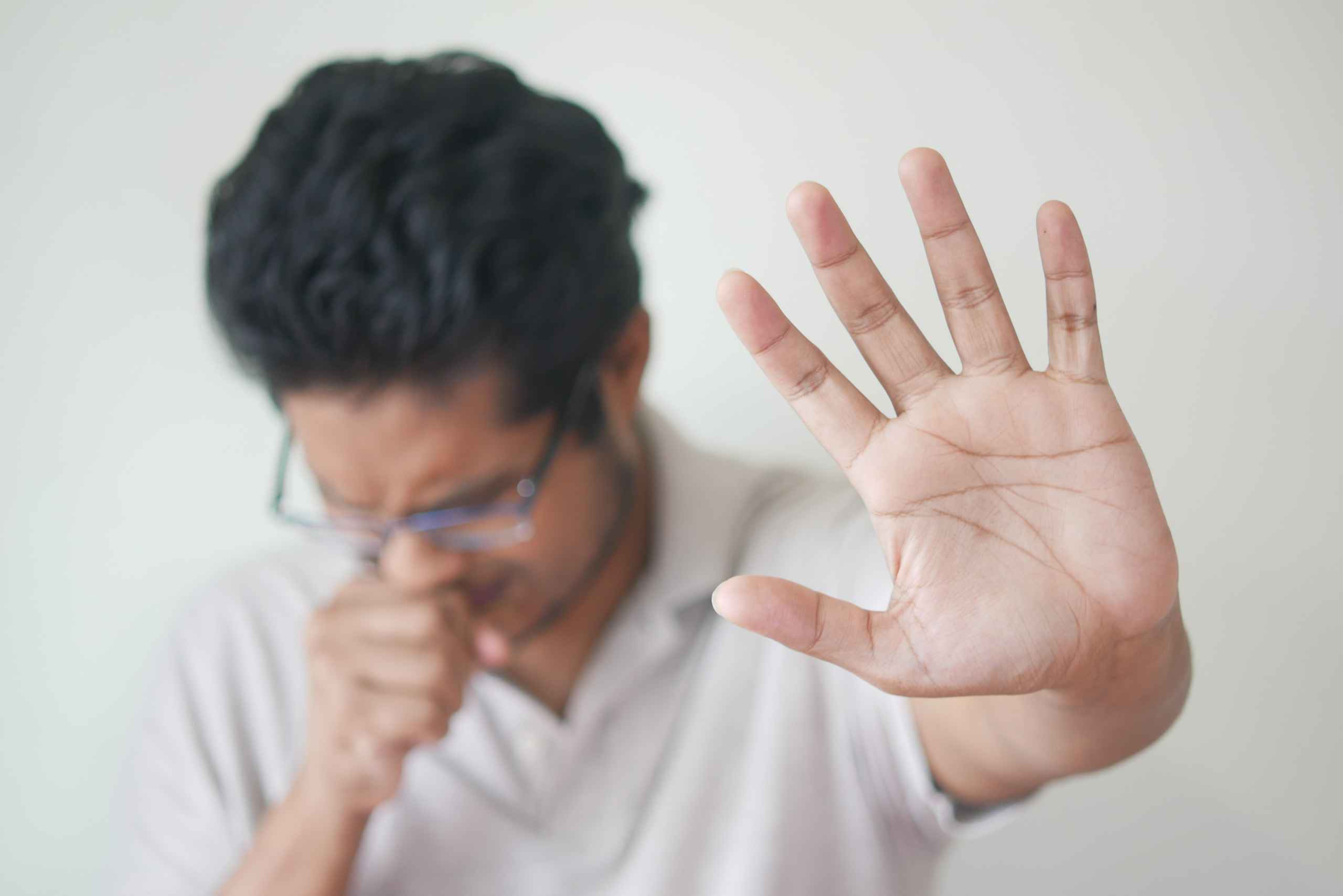
Every year, 1.8 million people die of tuberculosis. The disease is deadly in developing countries, where almost every case ends in death. This is due to unfavourable political and economic conditions, the HIV pandemic and the presence in these regions of mycobacteria resistant to anti-tuberculosis drugs.
Primary tuberculosis most often develops in children. In this form, the patient has never before been in contact with the tuberculosis bacillus. It enters the body through airborne droplets.
The source is an infected person who releases mycobacteria when breathing, talking and especially when coughing. Whether the disease develops depends on the number of mycobacteria that reach the lungs, their infectiousness (virulence) and the effectiveness of the immune system.
People at high risk of developing tuberculosis include:
- people living with HIV,
- people who misuse alcohol or take drugs,
- homeless people,
- children under the age of 5,
- patients with chronic conditions, such as diabetes, heart failure, malignant tumours and immunodeficiencies,
- people who have been in contact with patients shedding tuberculosis mycobacteria, as detected by a smear test.
How is tuberculosis diagnosed?
A person with a latent infection may have no symptoms; the infection can be detected by tests. Testing should be requested in the following situations:
- If you have spent time with someone who has tuberculosis or is at risk of developing it
- After spending time in a country with a high rate of tuberculosis
- If you work in an environment where tuberculosis may be present
- Before a diagnosis of tuberculosis is made, a detailed clinical examination is required. After reviewing the patient’s medical history, the doctor should examine the lungs and check the lymph nodes for swelling.
Two tests can show whether tuberculosis bacteria are present:
- A tuberculosis skin test
- A tuberculosis blood test
These tests cannot, however, indicate whether the tuberculosis is active or latent. To diagnose active tuberculosis, the doctor may recommend a sputum test and a chest X-ray. It is important to remember that anyone with tuberculosis needs treatment, whether the infection is active or latent.
How is tuberculosis treated?
Effective treatment of tuberculosis is available at the finest clinics in Switzerland. Wondering which doctor treats tuberculosis? The answer is simple. A general practitioner and a pulmonologist can identify the site of infection and assess the patient’s condition. Specialist treatment of tuberculosis, however, is provided by a TB specialist (phthisiologist).
Treatment in Switzerland uses modern methods and the latest medicines. Tuberculosis is treated with antibiotics or anti-tuberculosis drugs, combined in different ways to prevent resistance from developing. Treatment lasts at least 6 months, but usually much longer, as the aim is to reduce the number of bacteria in the patient’s body.
Preventing tuberculosis
The most reliable protection against tuberculosis is vaccination. At the same time, basic hygiene habits are essential, such as washing your hands often, avoiding crowded places and strengthening your immunity.
The tuberculosis vaccine
Tuberculosis vaccination (BCG) is compulsory for newborns.
It is given within the first 24 hours after birth (an injection in the left arm).
BCG vaccination has been used since the 1950s. Its aim is to reduce the number of severe cases of tuberculosis.
The vaccine is not given to premature babies weighing less than 2,000 g, or when the baby’s mother has tuberculosis (in this case the newborn requires special treatment).
Symptoms and types of tuberculosis
Tuberculosis mainly affects the lungs, where it is known as pulmonary tuberculosis. It can affect any part of the body, including the bones, brain, uterus, skin and lymph nodes, or it can spread widely to other organs, as seen in miliary tuberculosis and disseminated tuberculosis.

Typical symptoms of pulmonary tuberculosis include:
- a persistent cough lasting more than three weeks, bringing up sputum
- streaks or drops of blood in the sputum
- weight loss, tiredness and loss of appetite
- a prolonged fever with no other explanation
- night sweats


