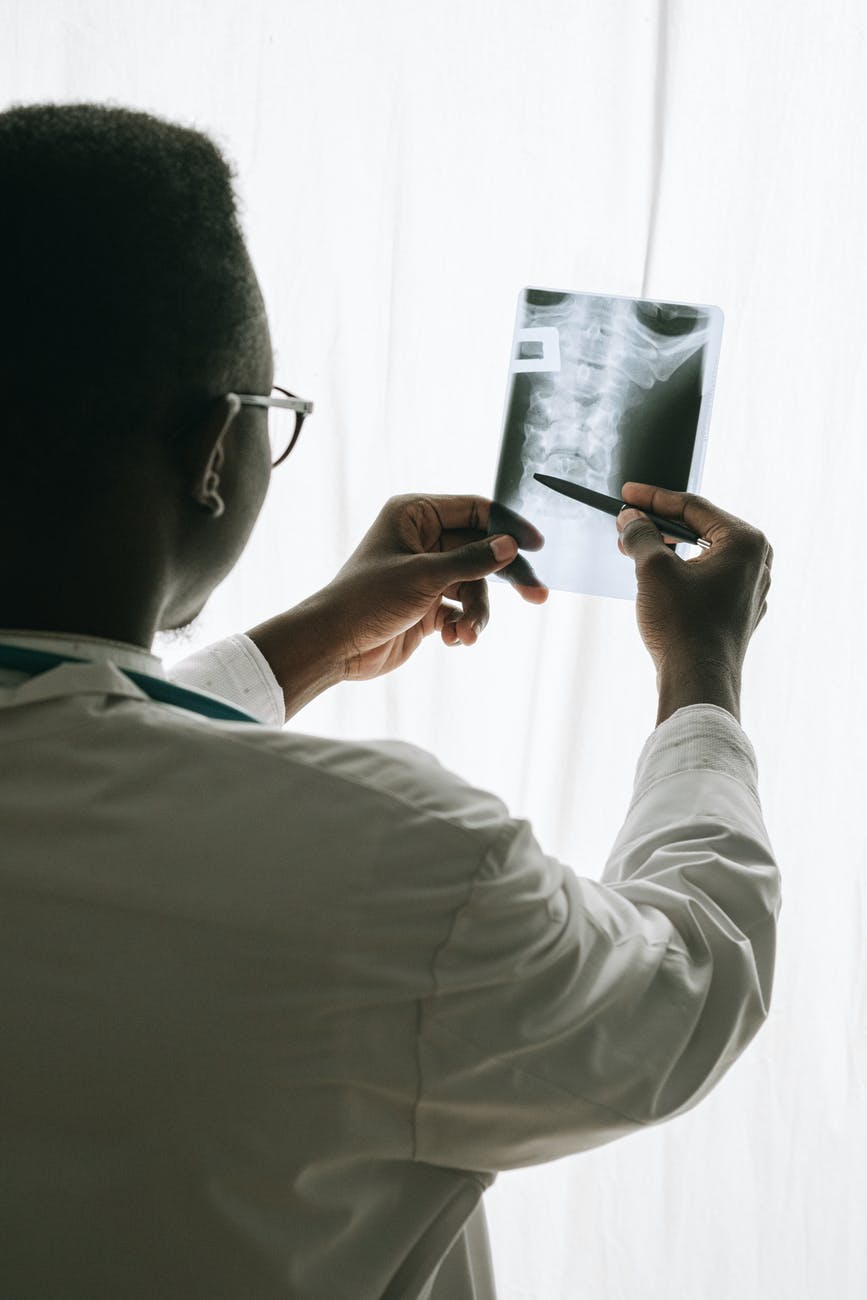
A rheumatologist is a doctor who investigates, diagnoses and treats systemic diseases of the connective tissue and joints. This specialist diagnoses and treats vasculopathies, pathological processes of the connective tissue, systemic vasculitis and autoimmune processes.
The rheumatologist also oversees rheumatological immunological tests and immunohistochemical studies, investigates autoimmune processes and interprets immunograms.
They test the patient for tumour markers, various types of antibodies and LE cells (an indicator of collagen disease). They refer patients for therapeutic exercise, physiotherapy and spa and sanatorium treatment.
Symptoms that call for a specialist:
- pain, stiffness and cracking in the joints;
- inflammation and swelling around a joint, with hot skin;
- limb pain that worsens with exertion;
- itchy skin;
- raised body temperature;
- frequent nosebleeds;
- shortness of breath and chest pain;
- pain in the heart area, arrhythmia;
- swelling.
At the first consultation, the doctor listens to all the complaints and examines the affected part of the body. They then order an investigation of the problem, after which they can determine the treatment. In addition to drug therapy, the rheumatologist may prescribe further methods:
- physiotherapy;
- therapeutic massage;
- therapeutic exercise;
- manual therapy.
The main diseases treated by a rheumatologist:
- Idiopathic forms of arthritis and osteoarthritis (psoriatic, rheumatic).
- Acute rheumatic fever.
- Joint diseases of infectious origin (gonorrhoea, syphilis, tuberculosis).
- Systemic collagen diseases (lupus erythematosus, scleroderma).
- Autoimmune damage to the exocrine glands – Sjögren’s disease.
- Myopathies of unknown aetiology.
- Systemic vasculitis, including Behçet’s syndrome.
- Osteoarthritis and osteoporosis.
- Connective tissue myalgia.
- Rheumatism affecting target organs: the heart, kidneys and lungs.
- Dermatomyositis.
In rheumatology, recovery is never instant or particularly quick. Diseases often become chronic and trouble a person throughout their life.
Rheumatic diseases seriously reduce a person’s quality of life. When treatment brings the patient relief, the doctor helps them to prevent further flare-ups. This is the main task of the specialty.


