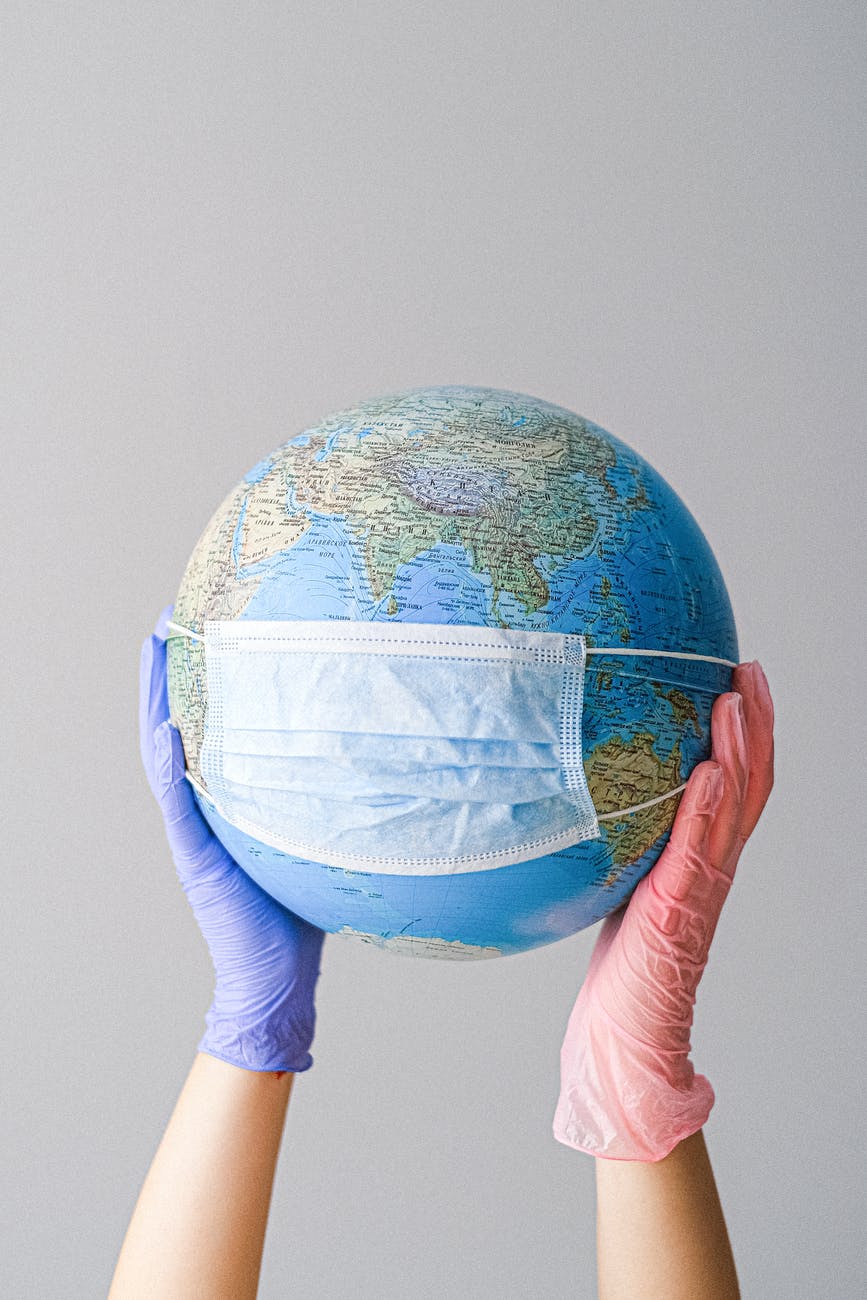
Coronavirus is an acute viral disease that mainly affects the respiratory system and the gastrointestinal tract.
The current pandemic is caused by the COVID-19 virus. The first cases were recorded in the Chinese city of Wuhan in December 2019.
What are the symptoms of infection?
High body temperature, chills, headache, weakness, nasal congestion, cough, shortness of breath, muscle pain and conjunctivitis.
In some cases, symptoms of gastrointestinal upset may appear: nausea, vomiting and diarrhoea.
Complications in the form of viral pneumonia may also develop. Viral pneumonia worsens quickly, and many patients develop respiratory failure within 24 hours, requiring immediate respiratory support with mechanical ventilation. Seeking help as soon as the first signs of the disease appear can reduce the severity of the illness.
What to do if a family member falls ill
- Call a doctor rather than treating the illness yourself.
- Ideally, give the sick person a separate room in the home, or keep a distance of at least 1 metre.
- Air the room frequently.
- When caring for the sick person, cover your mouth and nose with a mask or other protection (a handkerchief or scarf).
How COVID-19 develops in people aged 60 and over
People in the high-risk group over 60, as well as those with endocrine or respiratory diseases, should strictly observe self-isolation at home.
Older people experience symptoms such as fever and a dry, choking cough. The temperature reaches 39 degrees or higher, and bringing the fever down can be very difficult.
Self-isolation is considered the most reliable preventive measure for older people. They should stay at home, avoid all contact and, where possible, stay away from public places altogether. If older people live with relatives, they should be given a separate, well-ventilated room. For food and medicine, they should ask relatives, neighbours or volunteers, who can deliver everything needed without contact.
It is also advisable to wear gloves and to remove them very carefully. Wash your hands thoroughly with soap and clean frequently used items from outside the home, such as keys, wallets, glasses and bag handles. A soapy solution or a special antiseptic with an alcohol content of at least 70% can be used for this.
How to wear a mask correctly:
- Put the mask on carefully so that it covers the mouth and nose snugly, leaving no gaps.
- Try to avoid touching the surfaces of the mask when removing it. If you do touch them, wash your hands thoroughly with soap or alcohol.
- Replace masks with new ones frequently;
- Use each disposable mask only once;
- Dispose of a used disposable mask immediately.
- When caring for a patient, remove the mask immediately after contact with the sick person ends. Wash your hands thoroughly straight after removing the mask.
- A mask is appropriate in crowded places, on public transport and when caring for a sick person, but is not recommended outdoors. Outdoors, it is good to breathe fresh air without a mask.
Prevention to avoid infection:
- Wash your hands regularly with soap and water or clean them with an antiseptic;
- Keep your hands away from your eyes, nose and mouth;
- Keep a distance of at least 1.5 metres from other people.
Where possible, spend more time at home and avoid large indoor gatherings. Although most people recover from the illness without complications, the growing pressure on the healthcare system may prevent help from reaching those who need it most.


