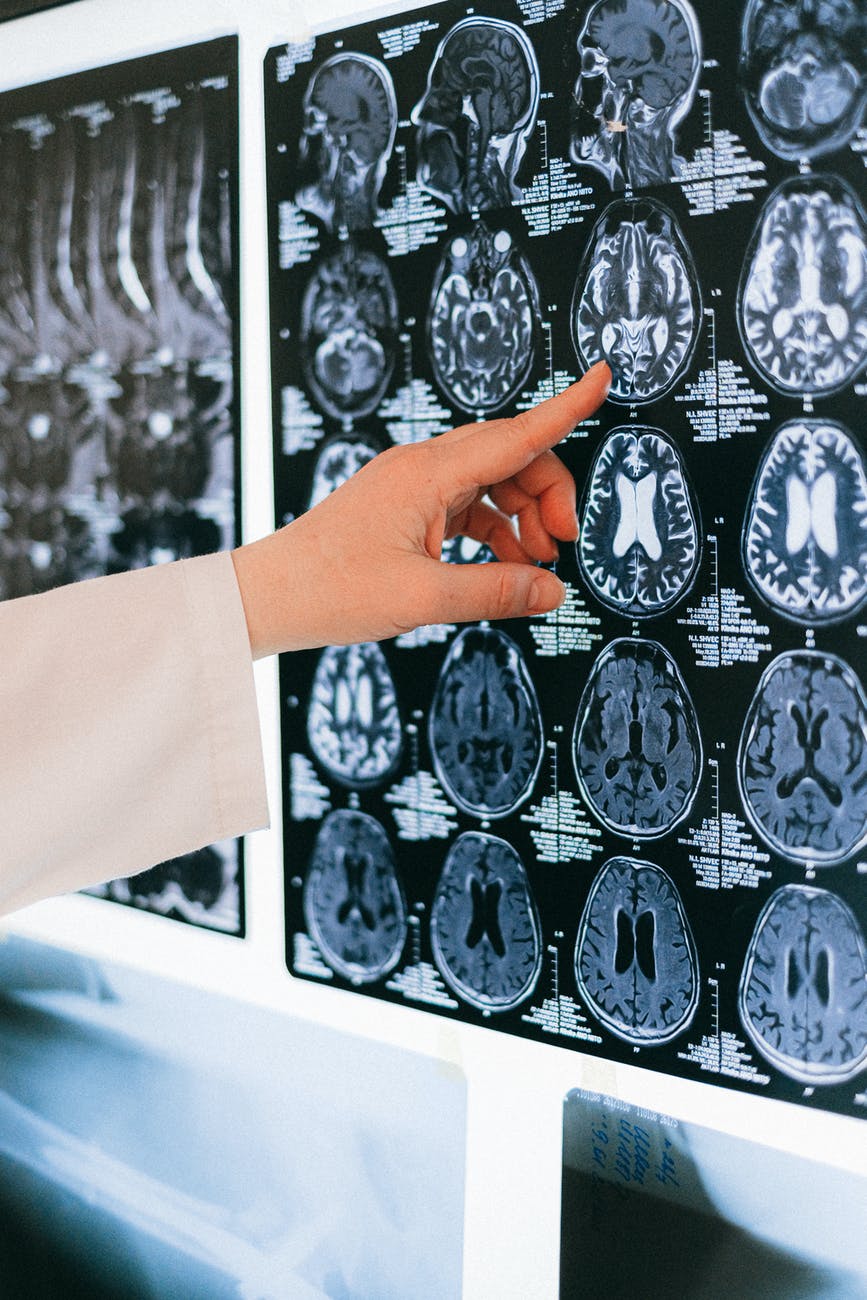
Neurosurgery deals with the treatment of diseases of the spine (herniated discs, vertebral fractures, spinal cord tumours, degenerative scoliosis) and the nervous system (brain tumours, vascular malformations, cerebrospinal fluid disorders).
If you experience discomfort or pain in your spine or limbs, you will need an appointment with a neurosurgeon.
The main symptoms of conditions treated by a spinal neurosurgeon:
- Numbness in the fingers and toes. These sensations may be accompanied by pain in the lower back and neck, raised blood pressure and dizziness;
- persistent pain in the chest and lower back;
- a diagnosis of “herniated disc” following an examination;
- constant headaches, recurrent fainting and visual impairment;
- the after-effects of a traumatic brain injury;
- congenital malformations of the central nervous system.
In this field, CorSwiss works with many leading Swiss neurosurgical centres. These include Privatklinik Bethanien, Clinique de Genolier, Clinique Générale, Privatklinik Lindberg, Clinique de Montchoisi, Clinica Sant’Anna, Clinica La Providence and Clinica Ars Medica.
The advantages of clinics in Switzerland:
- the average hospital stay is 2 days, and the total length of treatment at a neurosurgical centre is 5 to 7 days;
- the clinics’ doctors have extensive experience and qualifications;
- patient safety is the clinics’ top priority;
- the clinics are equipped with high-precision, latest-generation medical instruments and devices, which, combined with the high professionalism of Swiss neurosurgeons, is a firm guarantee of effective treatment.
Neurosurgeons are highly skilled specialists whose work demands intense concentration and perseverance. Some of a neurosurgeon’s responsibilities are as follows:
- Referring patients for MRI and CT scans to establish an accurate diagnosis.
- Evaluating the results of these examinations and making a diagnosis.
- Performing the operation prescribed by the attending physician.
- Evaluating the outcome of the operation, determining the need for further treatment and rehabilitation, and monitoring the patient’s condition.
- Giving the necessary recommendations after the operation.


