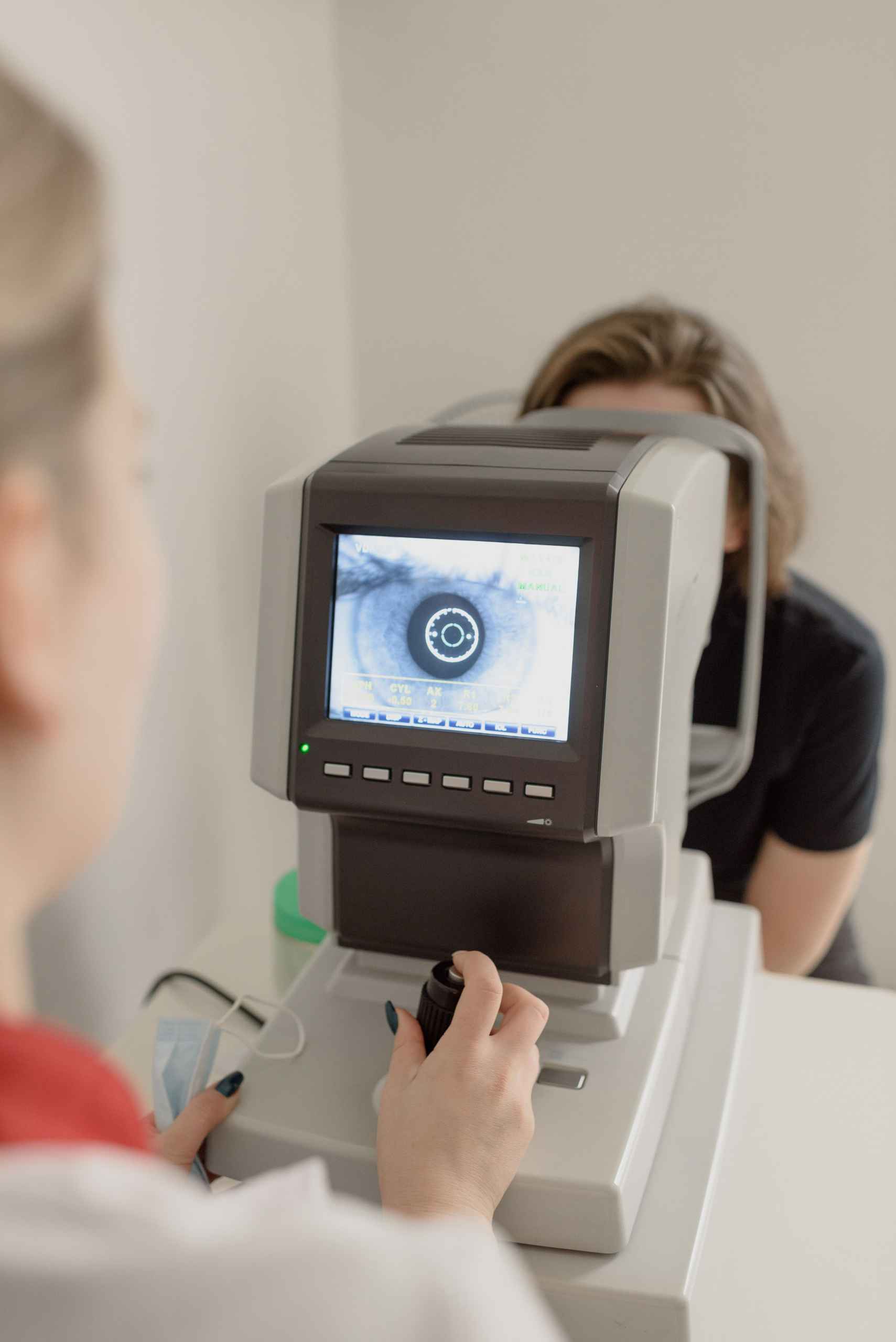
Taking care of your eyesight matters. That is why it is important to have your eyes tested regularly, so that any vision problems can be prevented from developing and worsening.
Routine eye examinations go far beyond screening for vision problems and eye diseases. An eye test can also help identify general health problems and detect serious conditions before they arise. This is why it is important to have your eyes examined regularly and in line with your doctor’s recommendations. But how often should you do this? Read on to learn more about eye examinations and how often you should have your eyes tested for optimal eye health.
Why you need an eye examination
An ophthalmological examination can detect any vision problems while they are still treatable. It can also reveal other serious conditions you may have, such as diabetes, high blood pressure, high cholesterol and cancer. An ophthalmologist will also help you adapt to any changes in your vision and advise you on how best to care for your eyes.
What is the difference between a comprehensive eye examination and a routine eye test?
Although both types of eye check are essential for your eye health, there is a big difference between a comprehensive eye examination and a routine eye test. Routine eye tests are the appointments you make when you need a new prescription for glasses.
A comprehensive eye examination is usually carried out once a year; during it, the ophthalmologist checks both your vision and the overall condition of your eyes. This is important because the eye is a small, complex and vital part of the body. Our eyes help us see, and they can also show signs of other eye and general health conditions.
How often should you see an ophthalmologist and have your eyes tested?
To keep your eyes healthy, follow these recommendations:
For children:
- The WHO recommends that children have their eyes tested before they turn one.
- Children should have at least one more eye test between the ages of 3 and 5.
- Once they start school, have their eyes tested once a year until they finish secondary school.
For adults:
- In your 20s and 30s: every 5–10 years
- From 40 to 54: every two to four years.
- From 55 to 64: every one to three years.
- 65 and over: every one to two years
You can have a high-quality eye test and general eye diagnostics at the best clinics in Switzerland. Ophthalmology in Switzerland offers advantages such as advanced treatment technologies, the most modern equipment on the medical market and, of course, highly qualified teams of doctors and professors of medicine.
Even if you have had your eyes examined at the recommended intervals, be sure to book a new appointment if you experience any of these symptoms:
- Dry, itchy or red eyes
- Seeing spots, floaters or flashes of light
- Blurred vision
- Eye pain
- Seeing circles or halos
- Straining or squinting to focus
- Other changes in your vision
If pathologies or diseases are detected, you can receive high-quality treatment in Switzerland. It is worth noting that the doctors working here hold senior academic titles and are renowned throughout the world of ophthalmology.
WHAT ELSE DOES AN OPHTHALMOLOGIST LOOK FOR?
Eye health involves much more than eyesight, and the health of the whole body can be assessed with a routine eye examination. Through an eye examination, a doctor can detect certain conditions such as high blood pressure, diabetes and some types of cancer.
The ophthalmologist will check how your entire visual system is functioning — from the visual cortex of the brain to the eyeball.
They will also check for serious eye diseases such as age-related macular degeneration, glaucoma, cataracts and diabetic retinopathy. All of these conditions can lead to irreversible loss of vision or blindness if left untreated.
For this reason, regular eye examinations are very important, even if you have no problems with your vision. You should have an eye examination at least once a year, even if your eyesight is excellent.


