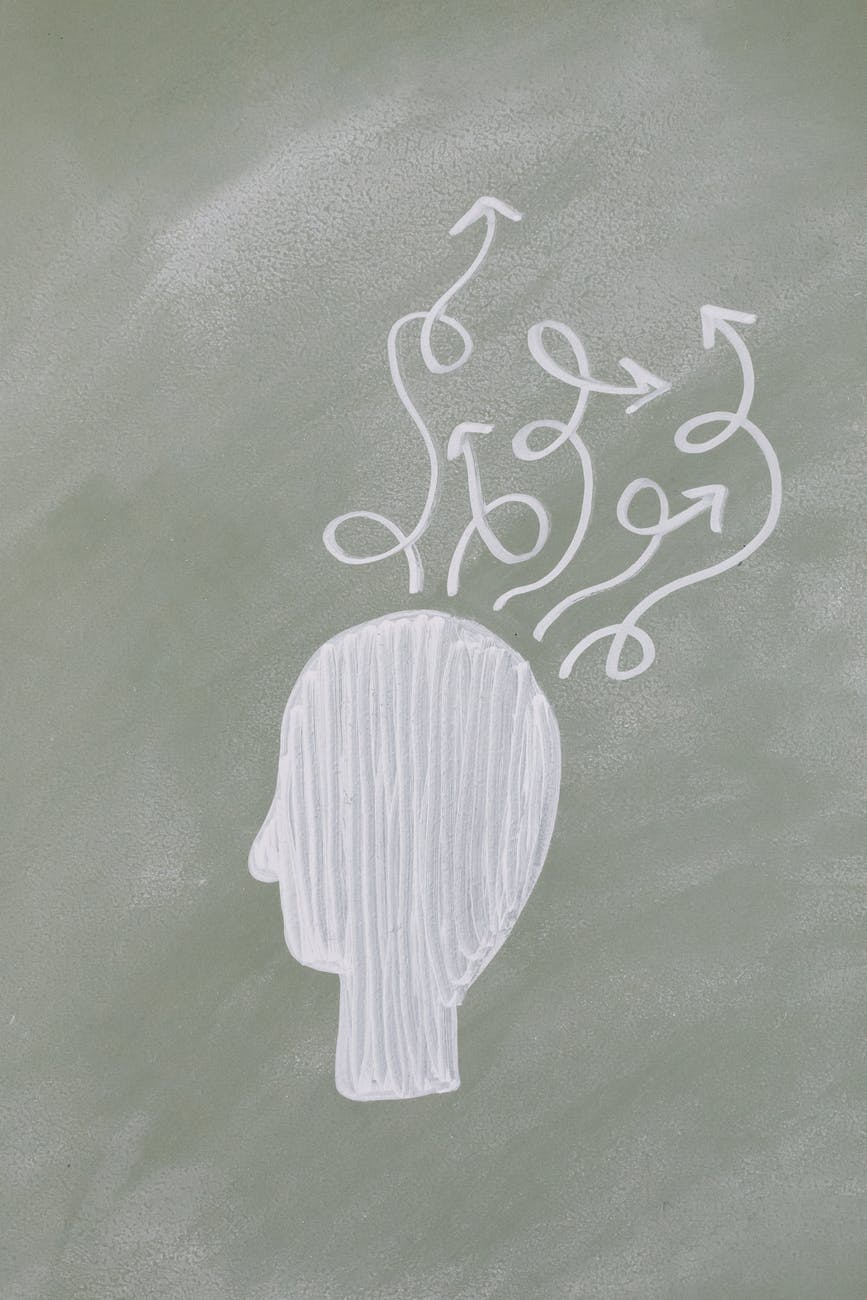
Mental disorders are a broad range of conditions caused by changes in a person’s psyche.
A mental illness disturbs a person’s thinking, behaviour and emotional state. The patient develops abnormal thoughts and perceptions of reality, an unstable emotional state and behavioural reactions, and difficulties in communicating with others.
There are many different mental illnesses, each with its own cause and potential course.
Clinics in Switzerland provide consultation, diagnosis and precisely tailored treatment for many mental illnesses and addictions.
Stress is a conflicted emotional state, a psychological overload in an acute, dangerous situation, which first causes a state of shock and then a state of resistance.
Causes: lack of time, increased responsibility, an overly difficult task.
Neurasthenia is a mental disorder that results from prolonged exposure to a psychologically traumatic factor and is accompanied by exhaustion, severe fatigue and irritability. It develops slowly: the symptoms worsen, everything is felt intensely and strong bursts of irritability occur.
Depression is a reduction in mental activity due to overwork or negative influences. It manifests as persistent melancholy and hopelessness, passive behaviour, heightened fear and a sharp drop in self-esteem. This mental illness is dangerous, and it is very difficult to cope with alone.
Neurosis is a neuropsychiatric disorder caused by traumatic factors such as depression, neurasthenia or hysteria.
With neuroses, internal organs and systems can malfunction. It often happens that a person experiences a problem, for example with the gastrointestinal tract, undergoes an examination and turns out to be perfectly healthy.
The main method of treating all types of neurosis is psychotherapy aimed at eliminating its causes. The second method is medication: it helps manage the symptoms, while the causes are addressed by psychotherapy.
Schizophrenia is a chronic disease characterised by a distorted view of the world and of one’s own personality. It is accompanied by disordered thinking, hallucinations and delusions.
Bipolar disorder is a condition in which phases of a healthy mental state alternate with manic episodes (increased activity, aggressiveness, inflated self-esteem) and depressive episodes.
Panic attacks are regular, brief bouts of intense anxiety and unease.
Treatment of mental disorders follows two methods: somatic (medication) and psychotherapeutic (group psychotherapy).
How mental illnesses develop
The modern pace of life is often accompanied by stressful situations, depression, a constant feeling of fear, nervousness and even insomnia. All of this is linked to demanding working conditions, constant workload, and family and professional problems.
There are many causes of mental disorders, both psychological and biological. The biological causes are often hereditary.
Psychological trauma in childhood, especially various forms of physical, sexual and emotional abuse, has a significant negative impact on mental health.
Self-diagnosis and self-treatment usually only make the situation worse. Help should therefore be sought only at specialised clinics, where professional psychiatrists and psychotherapists can make a full diagnosis, identify the exact cause of the problem and prescribe an appropriate course of treatment.


