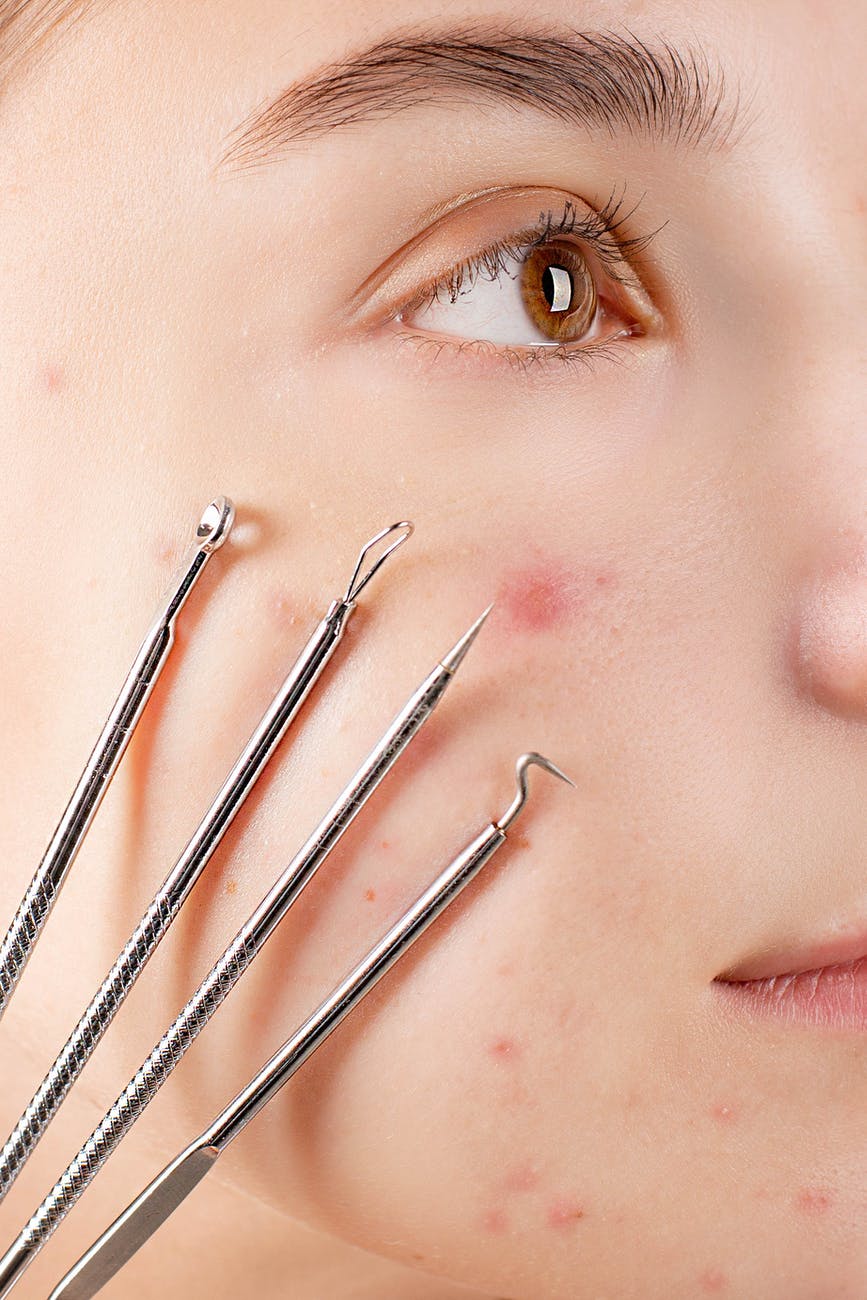
Dermatology is the branch of medicine that studies the structure and function of the skin and deals with the diagnosis, treatment and prevention of various skin diseases.
Skin diseases have attracted the particular attention of healers and doctors throughout history and across cultures. Moreover, skin diseases are rarely an isolated pathology. Disorders in the body are most often accompanied by external signs, which therefore play an important role in the diagnosis and treatment of serious general diseases.
Skin diseases have various causes and are divided into:
- allergic – the result of exposure to allergens;
- inflammatory – associated with various internal and external pathologies and skin lesions;
- fungal – arising from infection of the skin by microscopic fungi;
- infectious – the result of a viral infection such as measles or rubella, or a bacterial infection such as scarlet fever;
- diffuse – related to the functioning of the immune system and the internal organs.

The causes of skin diseases vary:
- untreated allergies;
- constant stress;
- poor diet – heavy, fried and spicy food with a lot of sugar;
- lack of personal hygiene;
- working conditions (work with chemical and potentially hazardous substances);
- living in an environmentally polluted area.
A consultation with a dermatologist at a medical centre begins with a conversation. The specialist reviews the patient’s medical history and complaints to build a complete clinical picture, allowing a correct diagnosis to be made and treatment to begin.
The specialist needs to know about any allergies, the nature of the patient’s work, their habits and living conditions, and any contact they have had with people who are ill.
The diagnosis and treatment of a disease often require the involvement of related specialists: gynaecologists, endocrinologists, gastroenterologists, infectious disease specialists and others. Where appropriate, cosmetic options are used at certain stages of therapy, as the aesthetic result matters to the patient.
Success rates at Swiss dermatology centres are very high. As a result, even with chronic conditions, medical travellers – who often forget about their illness for long periods during treatment in Switzerland – have a much greater chance of achieving remission.
The advantages of Swiss clinics begin with highly accurate diagnoses. The high medical standard allows doctors, in complex cases, to arrange consultations with colleagues from distant medical institutions.
All dermatology centres in Switzerland conduct research so that the latest methods can be introduced into clinical practice quickly and easily.
The advantages of treatment in Switzerland:
- examination by a dermatologist with many years of practical experience;
- diagnosis of skin diseases using modern medical equipment;
- pleasant surroundings for appointments and tests;
- online consultation with a dermatologist if needed;
- use of evidence-based medical approaches in choosing treatment;
- an individual approach to each patient and their concern.


