Remote assessment
We review your records and arrange a second opinion from a specialist professor.
Pain, stiffness and restricted movement: an accurate diagnosis for conditions of the joints, bones, muscles and tendons, and a programme designed for the long term.
About the specialty
Rheumatic conditions rarely resolve by themselves and almost always require long-term monitoring. They are divided into skeletal conditions (osteoporosis, osteomalacia), degenerative joint changes (osteoarthritis, disc herniation), inflammatory diseases (rheumatoid polyarthritis, ankylosing spondylitis) and conditions of the periarticular structures and muscles.
The treatment programme combines medication, physiotherapy and medical training therapy, hydrotherapy, lymphatic drainage, heat and cold treatments, occupational therapy and pain therapy, and psychotherapeutic support where needed.
Three formats are available: outpatient rehabilitation, inpatient recovery after surgery and spa treatment with mineral baths. Sports medicine programmes draw on the expertise of a Swiss Olympic Medical Center.
Why guests come to us
Degenerative wear of the joint cartilage, with pain, swelling and reduced mobility.
Autoimmune inflammation of the joints: early diagnosis, disease-modifying therapy and long-term monitoring.
Reduced bone density and risk of fracture: medication, nutrition and carefully dosed exercise.
Disc herniation, degenerative spinal conditions, scoliosis and kyphosis.
Chronic pain in the muscles and soft tissues, with fatigue and disturbed sleep.
Inpatient recovery with pain management, physiotherapy and training therapy.
Process
We review your records and arrange a second opinion from a specialist professor.
We select the clinic and doctor and agree the cost estimate and timing.
Diagnostics and treatment. An interpreter and an assistant are with you at every appointment.
Recovery, with remote follow-up of your results once you are home.
Doctors in this specialty
Clinics for this specialty
Mayo Clinic Care Network
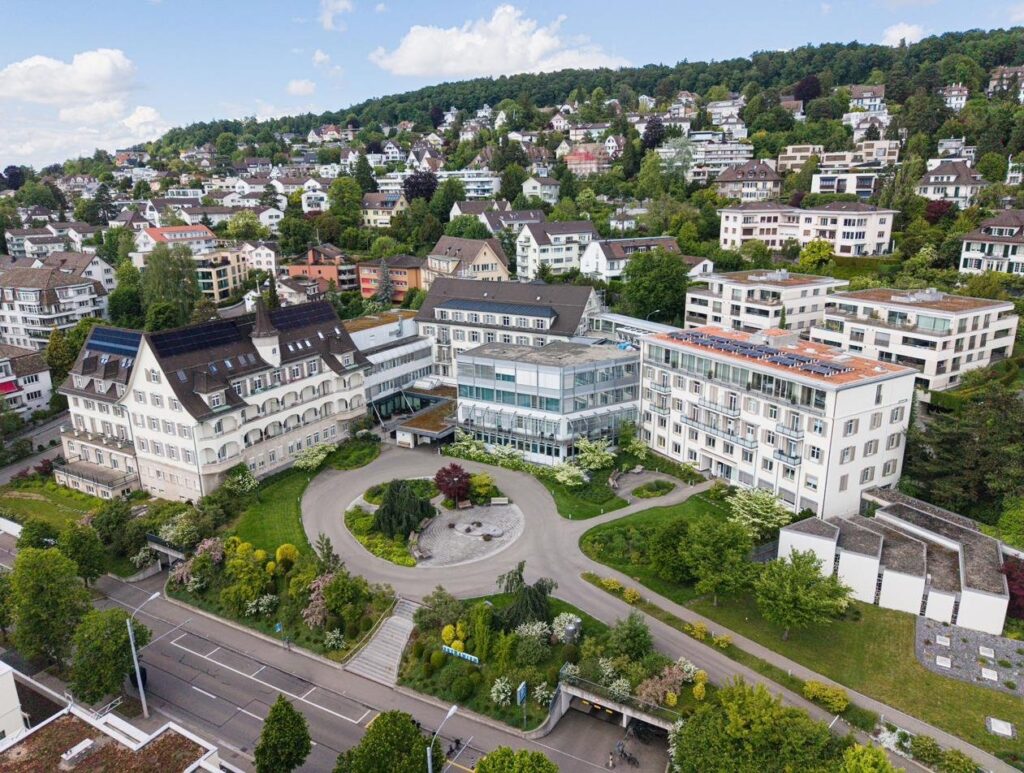
A flagship of Swiss private medicine and our key partner for treatment and check-ups since 2011. Part of Swiss Medical Network and the Mayo Clinic Care Network.
Seven Star Award · Medical Wellness / Longevity
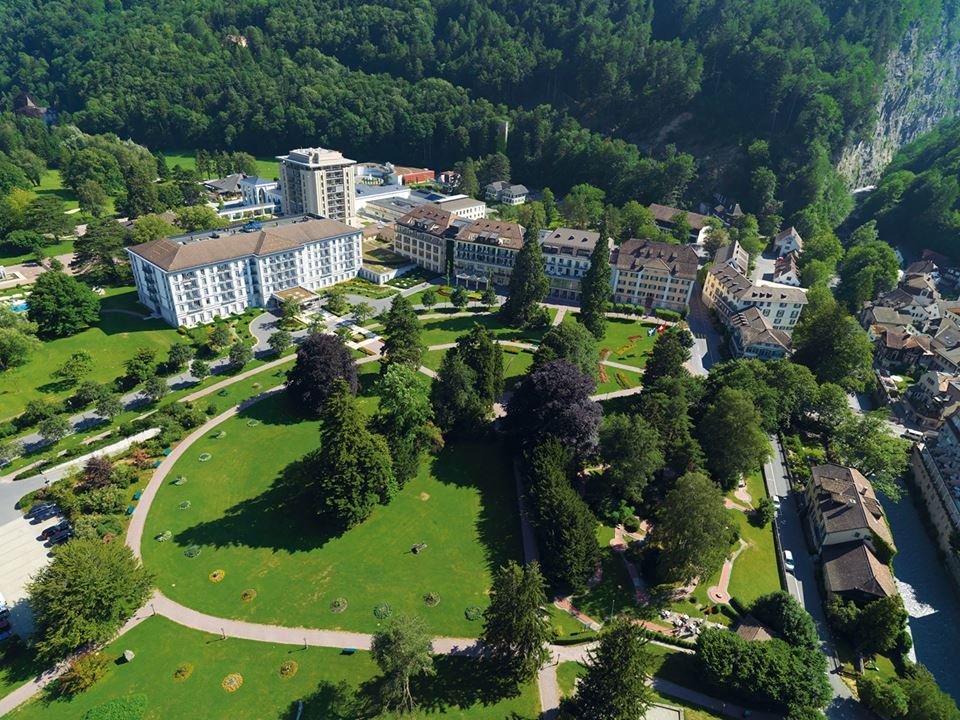
A medical centre in one of the Alps’ finest wellness resorts, recognised with international awards for spa and longevity. Longevity, Detox, Weight Loss, Recharge and Health Check-up programmes, a multidisciplinary team and Bad Ragaz’s own thermal springs.
Questions and answers
The cost depends on the diagnosis, the scope of examinations and the programme chosen. We obtain a cost estimate from the clinic and share it with you before treatment begins, with a clear breakdown of what it includes.
Yes. We arrange a remote review of your records and a second opinion from a specialist professor before any travel is planned.
Usually 5–10 working days, depending on urgency and whether a visa is required.
A medical interpreter accompanies you to every appointment and remains available throughout your stay in Switzerland, so you can communicate in your own language.
We are your independent representative and an end-to-end Swiss medical concierge. We select the best specialist for your case from across Switzerland, arrange a second opinion and agree a transparent cost estimate before treatment begins. Everything else is handled by one team: medical visa, flights and transfers, accommodation (including for those travelling with you), a personal medical interpreter at every appointment and a 24/7 assistant for any practical matter. Your personal medical manager looks after your case from the first enquiry until you are home, and stays in touch afterwards: we follow up your results remotely and coordinate ongoing care.
Like other medical specialties in Switzerland, rheumatology is distinguished by highly accomplished doctors and the latest equipment for diagnosis, monitoring and treatment. Particular attention is paid to an individual approach for each patient, which allows the causes of disease to be identified precisely and its course to be managed effectively. Thanks to advanced medical technology, rheumatology treatment in Switzerland brings a significant improvement in patients’ quality of life.
When arranging rheumatology treatment, we rely on trusted partners such as Grand Resort Bad Ragaz, known for its exceptional standard of medical care. It combines highly qualified medical care with comfortable accommodation in a luxurious five-star hotel. Treatment combined with rest in an elegant setting supports a swift recovery and overall wellbeing.
Rheumatology is the specialised branch of medicine concerned with the study, diagnosis and treatment of rheumatic and musculoskeletal diseases. These conditions involve impaired function of the musculoskeletal system, causing pain, rigidity (stiffness) and, in some cases, restricted mobility. Rheumatology covers a wide range of conditions that can affect the joints as well as the muscles, tendons and other parts of the musculoskeletal system. They are often chronic and require long-term treatment and monitoring.
Grand Resort Bad Ragaz is an ideal place to restore, maintain and improve physical performance and peace of mind after an accident, surgery or illness. Its treatments and methods are based on the latest scientific research. The extensive experience of the interdisciplinary team and the sports medicine programmes draw on the know-how of a Swiss Olympic Medical Center. Programmes tailored to your individual needs, 24-hour service and the pleasant atmosphere of the resort further support a swift recovery. Inpatient rehabilitation takes place at Clinic Bad Ragaz, the clinic within the resort.
We provide a wide range of medical and rehabilitation services tailored to each patient’s individual needs. Our team consists of highly qualified specialists with many years of experience in medicine and rehabilitation. We use advanced treatment methods and modern equipment to achieve excellent results in restoring health. Every patient receives comprehensive support at all stages of treatment, from diagnosis to rehabilitation and post-operative care.
Outpatient rehabilitation: treatment and recovery that takes place without a hospital stay. Patients attend specialised medical centres for therapy and return home the same day. This approach suits those who are independently mobile and need regular, periodic treatment. Outpatient rehabilitation often includes physical therapy, therapeutic exercise and medical consultations.
Spa treatment involves a stay at a specialised resort offering medical and wellness treatments in a unique natural setting. This may include mud wraps, mineral baths, massage and other treatments aimed at improving overall health and speeding recovery. Spa programmes often combine therapy with rest and recreation, supporting the patient’s physical and emotional wellbeing.
This form of rehabilitation takes place in hospital after surgery. It focuses on the patient’s post-operative recovery, including pain management, monitoring of wound healing, physiotherapy and other treatments. Inpatient rehabilitation provides continuous medical supervision and an individual approach for each patient, supporting a safer and more effective recovery.
These services include help with daily needs and medical care for patients who need support in looking after themselves. They cover help with meals, personal hygiene, taking medication and monitoring of general health. Care can be provided at home or in specialised facilities, ensuring the patient’s comfort and quality of life.
An interdisciplinary physical medicine team treats pain and functional disorders of the musculoskeletal system, as well as neurological, muscular and vascular conditions.
Conditions of the back and cervical spine are often accompanied by pain that can radiate to different parts of the body and significantly affect quality of life. Joint problems range from inflammatory processes to degenerative changes that reduce mobility and function. An important part of treating these conditions is a comprehensive approach that includes physiotherapy, medical treatment and lifestyle changes.
Complex gait disorders include a wide range of problems, such as impaired coordination and muscle weakness, that can make walking difficult. Simple amputations may result from injuries or diseases requiring surgery, followed by restoration of function and adaptation to new circumstances. Treatment calls for an individual approach and comprehensive rehabilitation to restore mobility and quality of life as fully as possible.
Multiple injuries often result from serious accidents or traumatic events that affect several parts of the body at once. Treatment requires a coordinated approach including surgery, physical rehabilitation and psychological support. Comprehensive treatment helps restore function, relieve pain and ensure the fastest possible return to everyday life.
Inflammatory diseases such as polyarthritis are characterised by chronic inflammation of several joints, leading to pain, swelling and loss of function. They require comprehensive treatment including medication, physiotherapy and individual rehabilitation programmes. Monitoring disease progression and adjusting treatment as the patient’s condition changes is also essential.
Osteoporosis is a disease characterised by reduced bone density and an increased risk of fractures, even from minor injuries. Treatment includes medication that strengthens bone tissue, together with changes in diet and lifestyle to support bone health. Regular exercise and good nutrition play a key role in preventing further bone loss and reducing the risk of fractures.
Fibromyalgia is a chronic disorder characterised by widespread pain in the muscles and soft tissues, with accompanying symptoms such as fatigue and disturbed sleep. Treatment often includes medication, physical rehabilitation and psychotherapy to relieve pain and improve quality of life. An individual treatment plan that reflects each patient’s specific needs is also important.
Curvature of the spine, such as scoliosis or kyphosis, can cause pain, discomfort and impaired organ function. Treatment may include physiotherapy, orthopaedic braces or, in severe cases, surgery to correct the curvature. Depending on the degree of curvature, an individual treatment plan is developed to restore normal spinal function and relieve symptoms.
Chronic pain syndrome is characterised by long-lasting pain that may be caused by various medical conditions or injuries. Treatment often combines medication, exercise and psychotherapy to manage pain and improve quality of life. It is important to identify the underlying cause of the pain and develop a comprehensive approach for the best possible outcome.
Physiotherapy includes a wide range of methods and techniques aimed at restoring and improving the function of the musculoskeletal system. The programme includes exercise, manual therapy and various soft-tissue and joint techniques to improve mobility and reduce pain.
Medical training therapy focuses on individual exercise programmes that strengthen the muscles and improve coordination and joint mobility. It helps restore normal musculoskeletal function after injury or surgery, and in chronic conditions.
Hydrotherapy uses water in various forms and temperatures to improve circulation, relieve muscle tension and ease pain. It includes water therapy, baths, wraps and shower treatments that promote relaxation and recovery.
Physical therapy focuses on restoring mobility and strength through specific exercises and techniques. Lymphatic drainage stimulates the lymphatic system to reduce swelling and improve tissue metabolism.
Heat and cold treatments are used to reduce pain and inflammation, improve circulation and speed recovery. Warm compresses relax the muscles and improve blood flow, while cold compresses help reduce swelling and inflammation.
Occupational therapy develops and maintains the skills needed for everyday tasks and work. Pain therapy focuses on managing chronic pain through various approaches, including medication and psychological methods.
Psychotherapeutic support includes counselling and therapy to support patients’ emotional and psychological wellbeing. Through individual and group sessions, it helps patients cope with the emotional stress of chronic illness and improve their quality of life.
Social support from organisations such as Rheumaliga includes help with organising daily life, assistance in obtaining social and financial support, and educational programmes to raise awareness of rheumatic diseases. It aims to improve patients’ quality of life and social integration.
Group therapy includes various forms of collective treatment, such as support groups and specialised therapy sessions. These sessions help patients share experiences, find support from others with similar conditions and gain additional resources for managing their condition.
Consultation
A confidential conversation with a coordinating physician: we review your records, propose a professor and calculate the cost.
Consultation
The supervising physician will call you back during the working day.