Remote assessment
We review your records and arrange a second opinion from a specialist professor.
Blood, bone marrow and lymph nodes: from laboratory diagnostics to chemotherapy, surgery and bone marrow transplantation.
About the specialty
Haematology is concerned with the blood, bone marrow and lymph nodes. Disorders arise either when the bone marrow, where blood is formed, is affected, or when the blood cells themselves are abnormal.
The diagnosis rests on the laboratory: analysis of blood cells and clotting factors, and examination of the bone marrow. The haematologist also sees the patient through the eyepiece of a microscope.
The laboratory and the treating haemato-oncologists work in direct contact, and treatment follows a clear sequence: drug therapy and, where needed, surgery and bone marrow transplantation.
Why guests come to us
Identifying the cause of anaemia from the blood count and selecting treatment, from deficiency states to inherited forms.
Analysis of coagulation factors and treatment of clotting disorders, including thrombophilia.
Diagnosis and comprehensive treatment of acute and chronic leukaemia.
Examination of the lymph nodes, biopsy and treatment of lymphoma.
Diagnosis and modern treatment of multiple myeloma.
Preparation, transplantation and follow-up care for bone marrow transplants.
Process
We review your records and arrange a second opinion from a specialist professor.
We select the clinic and doctor and agree the cost estimate and timing.
Diagnostics and treatment. An interpreter and an assistant are with you at every appointment.
Recovery, with remote follow-up of your results once you are home.
Doctors in this specialty
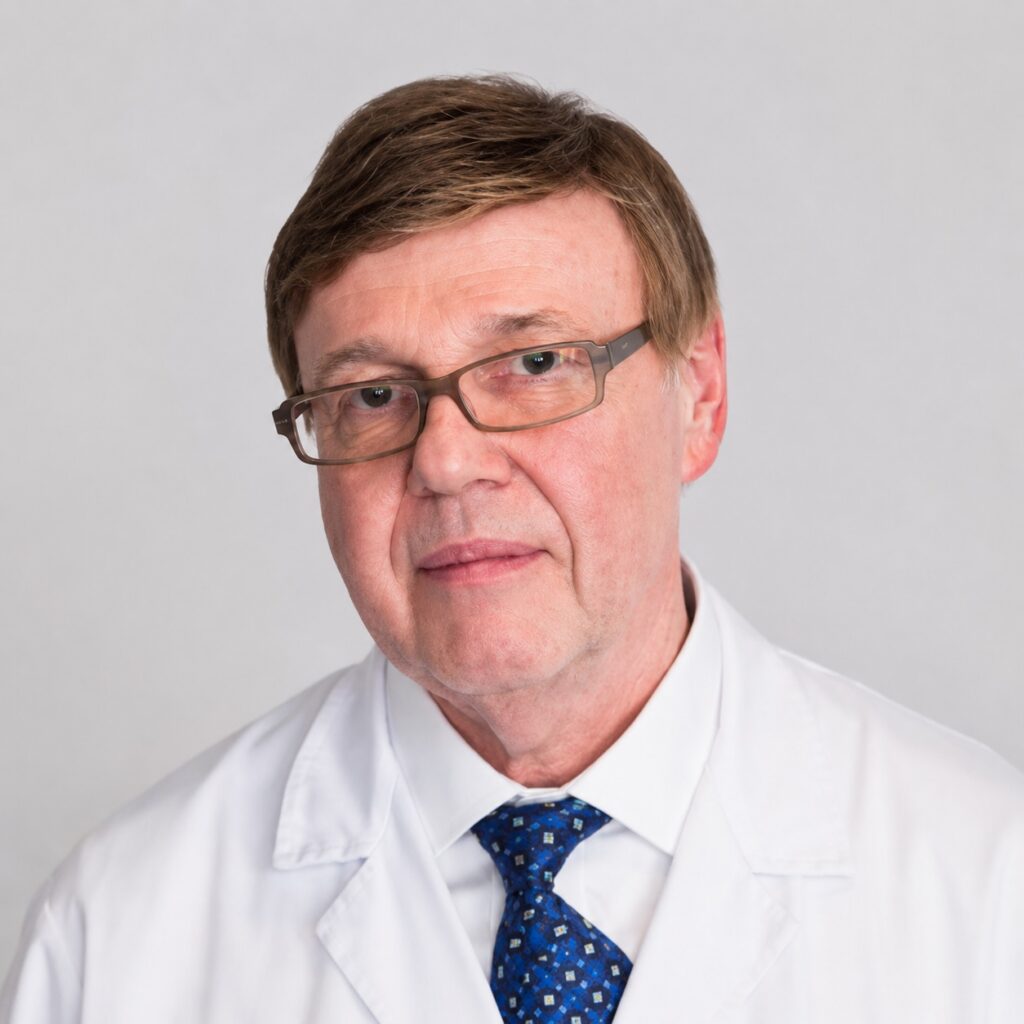
Oncology and haematology
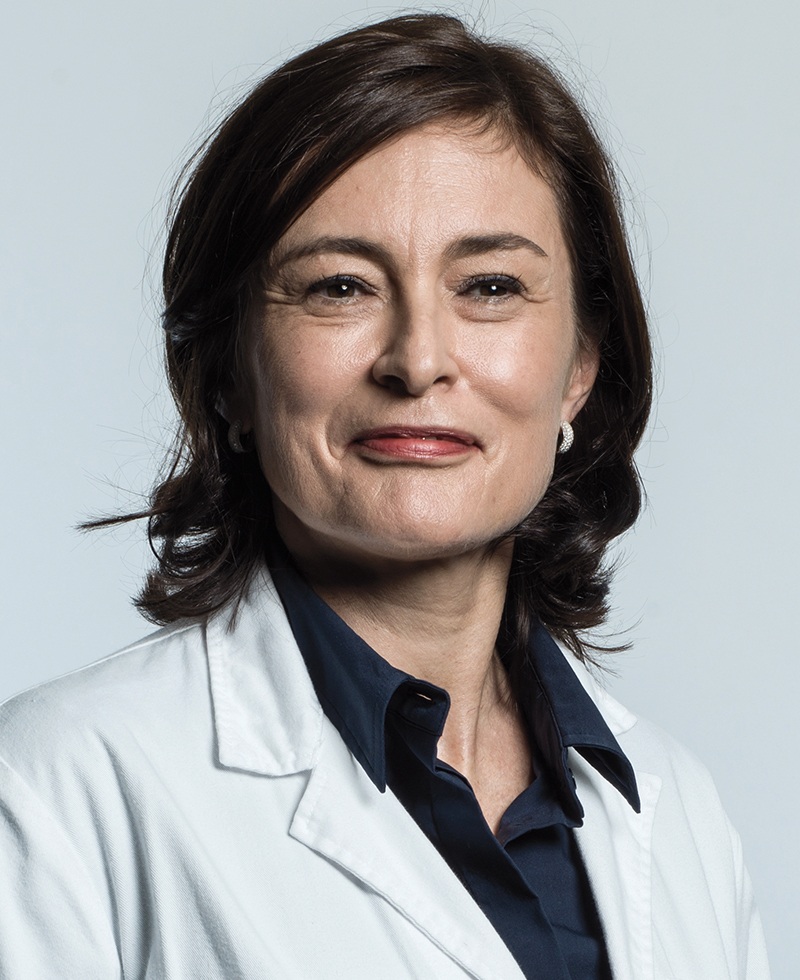
Oncology
Haematology and beyond
For your case, we select the right professor from across Switzerland, including specialists beyond those featured on this site.
Request a consultationClinics for this specialty
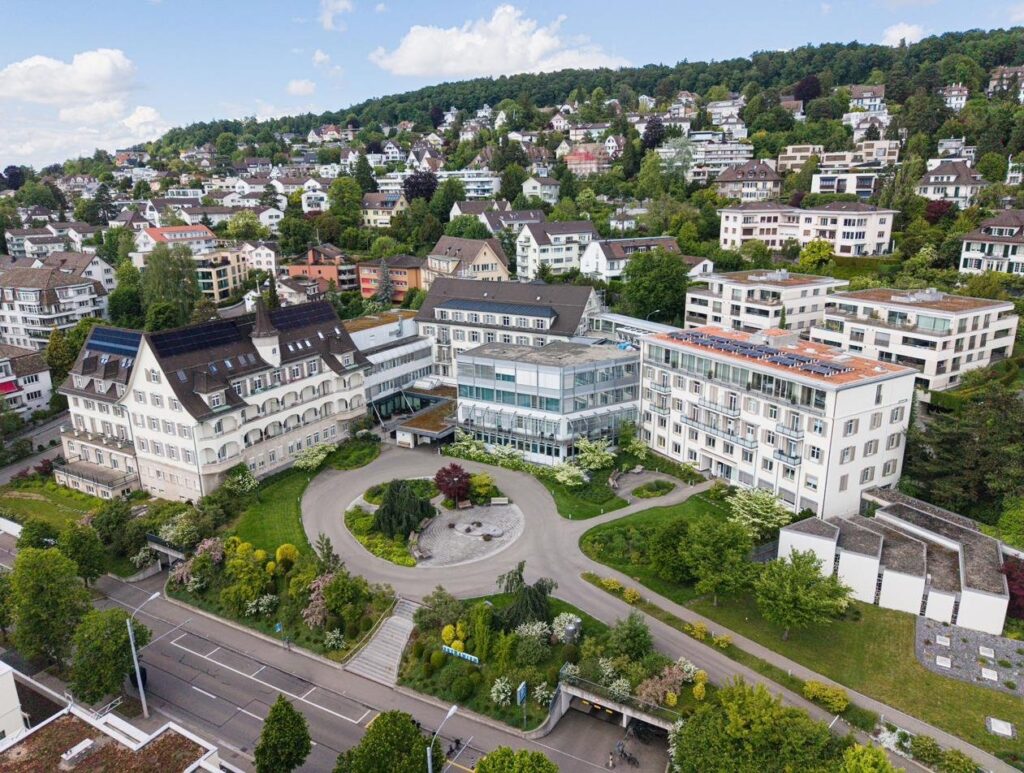
Mayo Clinic Care Network
A flagship of Swiss private medicine and our key partner for treatment and check-ups since 2011. Part of Swiss Medical Network and the Mayo Clinic Care Network.

Newsweek 2026 · No. 1 in Switzerland
Switzerland’s largest university hospital and a centre of medicine at the highest level. We bring it in for complex and rare cases that need university expertise.
Questions and answers
The cost depends on the diagnosis, the scope of examinations and the programme chosen. We obtain a cost estimate from the clinic and share it with you before treatment begins, with a clear breakdown of what it includes.
Yes. We arrange a remote review of your records and a second opinion from a specialist professor before any travel is planned.
Usually 5–10 working days, depending on urgency and whether a visa is required.
A medical interpreter accompanies you to every appointment and remains available throughout your stay in Switzerland, so you can communicate in your own language.
We are your independent representative and an end-to-end Swiss medical concierge. We select the best specialist for your case from across Switzerland, arrange a second opinion and agree a transparent cost estimate before treatment begins. Everything else is handled by one team: medical visa, flights and transfers, accommodation (including for those travelling with you), a personal medical interpreter at every appointment and a 24/7 assistant for any practical matter. Your personal medical manager looks after your case from the first enquiry until you are home, and stays in touch afterwards: we follow up your results remotely and coordinate ongoing care.
Anaemia, a clotting disorder, leukaemia or lymphoma: CorSwiss arranges diagnosis and treatment of blood disorders at leading Swiss clinics. Haematology is concerned with the blood, bone marrow and lymph nodes, and an accurate diagnosis almost always begins in the laboratory, from a blood count to examination of the bone marrow.
We work with Privatklinik Bethanien, Clinica Sant’Anna, Clinique Générale and Centre Médical Eaux-Vives, clinics with strong laboratory facilities and experience in treating blood disorders.
The diagnosis rests on the laboratory: analysis of blood cells and clotting factors, and examination of the bone marrow. The laboratory and the treating haemato-oncologists work in direct contact, so the path from test to prescription is shorter. Treatment follows a clear sequence: drug therapy and, where needed, surgery and bone marrow transplantation, followed by ongoing monitoring.
Consultation
A confidential conversation with a coordinating physician: we review your records, propose a professor and calculate the cost.
Consultation
The supervising physician will call you back during the working day.