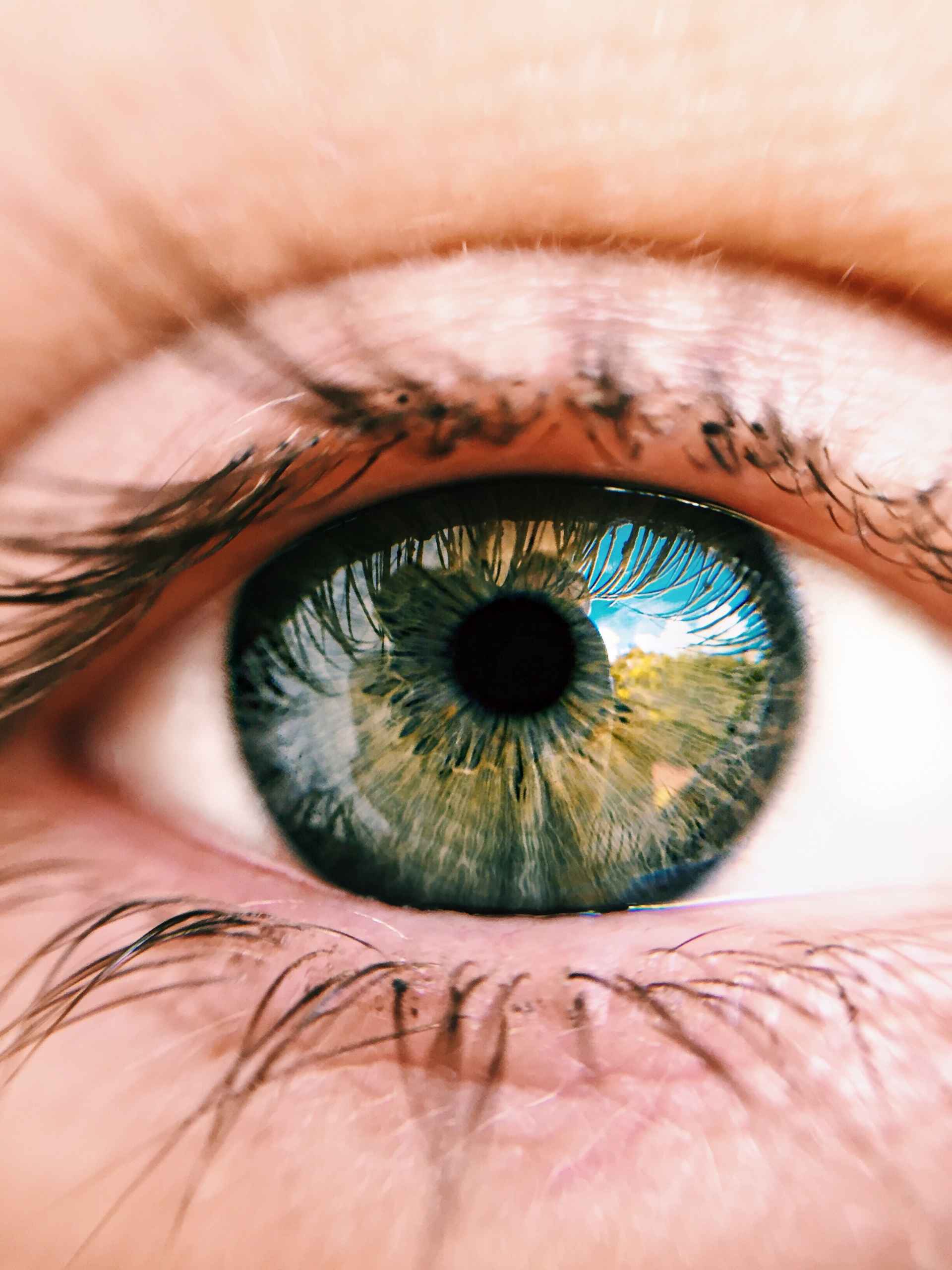
Conjunctivitis is a condition that can have a variety of causes. The conjunctiva responds to an irritant by reddening (caused by increased blood flow) and by releasing proteins and white blood cells (leucocytes). Conjunctivitis can affect adults as well as children and infants.
Important!
As a red eye can also be caused by serious conditions, you should always consult an ophthalmologist. Even if it is “just simple conjunctivitis”, the cause must be identified so that the right treatment can begin.
Treatment in Switzerland covers every kind of eye and vision therapy. Swiss clinics are home to highly distinguished doctors who are renowned throughout the world of ophthalmology.
What is conjunctivitis?
Conjunctivitis is an infection or swelling of the conjunctiva, the thin, transparent membrane that lines the inner surface of the eyelid and covers the white of the eye.
In conjunctivitis, the blood vessels of the conjunctiva become inflamed. This gives your eyes the red or pink colour usually associated with conjunctivitis.
What are the symptoms of conjunctivitis?
- Pain in one or both eyes, often a gritty feeling in the eye.
- Stinging in one or both eyes.
- A burning, scratching or chafing sensation.
- Discharge, which sometimes forms a crust overnight.
- Redness of the affected eye (or both eyes).
- Reflex watering of the eyes.
Factors that increase the risk of conjunctivitis include:
- Contact with a person who has infectious conjunctivitis.
- Exposure to allergens or chemicals.
- Improper care and prolonged wearing of contact lenses.
- Poor hygiene (not washing hands, which carry germs).
There are several different types of conjunctivitis, each with different symptoms and treatments.
Types and causes
In general, conjunctivitis falls into three main categories:
- infectious
- allergic
- chemical
Infectious conjunctivitis
There are several different types of infectious conjunctivitis, including:
- bacterial
- viral
Bacterial conjunctivitis is caused by staphylococcal or streptococcal bacteria. It usually results from things such as touching the eyes with unwashed hands, sharing make-up or physical contact with someone who may also have conjunctivitis.
Viral conjunctivitis is usually caused by common cold viruses. It can develop if someone with an upper respiratory tract infection coughs or sneezes near you. It can also develop if you yourself have a cold virus and blow your nose too hard, allowing the infection to spread from the respiratory system to the eyes.
Allergic conjunctivitis
The eyes are extremely vulnerable to allergens: unlike the nose, they have no filtering mechanisms, and their surface area is large, so they are directly exposed to irritants.
There are several types of allergic conjunctivitis. They include:
- acute allergic conjunctivitis,
- seasonal allergic conjunctivitis,
- perennial allergic conjunctivitis,
- vernal conjunctivitis,
- contact dermatitis of the eyelids and conjunctiva,
- atopic conjunctivitis.
Acute conjunctivitis is caused by a large quantity of allergens irritating the eyelids. In response to the irritation, itching and swelling occur, causing the conjunctiva to tighten; its pressure on the blood vessels turns the conjunctiva a milky colour. The term “acute” refers to the rapid onset of symptoms, which are, however, short-lived. Treatment of acute allergic conjunctivitis is simple: usually artificial tears to rinse the conjunctival sac and cool compresses are sufficient.
Seasonal conjunctivitis is the most common allergic eye condition and is often accompanied by allergic rhinitis, as both are caused by pollen. Symptoms appear only at certain times of the year; the most common are itching and redness, as well as discharge (watery or mucous). Small bumps appear under the eyelid. Irritation by allergens can also cause swelling of the conjunctiva and puffiness of the eyelids.
Perennial conjunctivitis has similar symptoms; the difference is that they persist regardless of the season and are less intense. This is because this type of conjunctivitis is caused by year-round allergens such as dust mites and dander.
Treating allergic conjunctivitis is not always straightforward. It is based on treating the cause, i.e. identifying the factor that triggers the allergic reaction and trying to eliminate it. In addition, moisturising preparations (artificial tears) and special topical medications are used.
Chemical conjunctivitis
You can develop conjunctivitis from irritants such as:
- chlorine in swimming pools
- air pollution
- exposure to other chemicals
How can conjunctivitis be prevented?
Basic hygiene and proper cleaning of contact lenses can help prevent conjunctivitis.
- Wash your hands before inserting or removing lenses.
- Wash your hands after blowing your nose or sneezing (otherwise germs on your fingers can get into your eyes if you rub them).
- Take care when in contact with a child who has conjunctivitis.
- Avoid potentially irritating eye shadow and mascara.
Conjunctivitis should be diagnosed by an ophthalmologist on the basis of an external examination, visual acuity testing and slit-lamp examination; sometimes a swab is needed to identify the pathogen. The condition is contagious and passes easily from person to person. Once a diagnosis is made, it is important to observe personal hygiene. The ophthalmologist chooses the treatment method according to the type of pathogen causing the inflammation of the mucous membrane, and medication is prescribed. For every type of the condition, without exception, it is essential to wash your hands thoroughly, avoid rubbing your eyes and use personal hygiene items.


