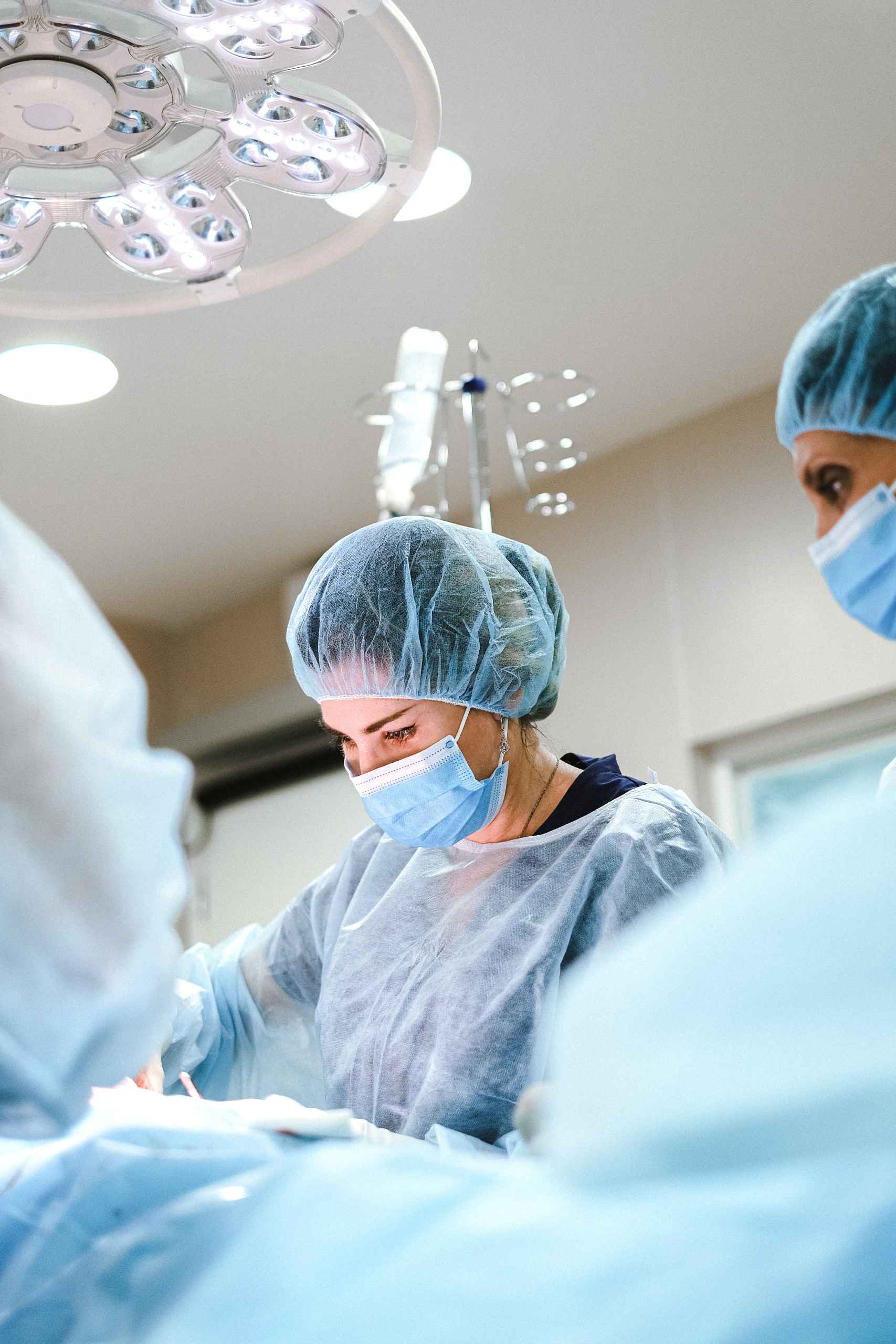
An aortic aneurysm is a condition involving internal bleeding caused by the rupture of blood clots, which can lead to shock or even death. The aorta is the main mechanism supplying our heart, and it is divided into two parts: the thoracic and the abdominal aorta. An aortic aneurysm is a process in which the aorta bulges and consequently widens, which can lead to rupture. Treatment in Switzerland can be a patient’s only chance of returning to their usual life, as Switzerland offers innovative treatments and first-class specialists. CorSwiss works with leading private Swiss clinics, including Privatklinik Bethanien, Clinique de Genolier, Clinique Générale and Centres des Eaux-Vives.
Causes of aortic aneurysm
An aortic aneurysm may be caused by either congenital or acquired changes in the vessel wall. The most common cause is calcification of the arteries (atherosclerosis). Here, excess fats are deposited in small cracks in the vessel wall. Over time this area grows in size, and the wall becomes fragile and inflexible. This can lead to what is known as a dissecting aneurysm. Blood penetrates the layers of the wall and causes it to bulge, creating a gap between the layers of the wall. Congenital connective tissue disorders (such as Marfan syndrome) can also cause an aortic aneurysm.
Diagnosing aortic aneurysm in Switzerland
To diagnose an aortic aneurysm, Switzerland uses advanced examination methods such as magnetic resonance imaging (MRI) and computed tomography (CT). These methods allow doctors to determine the size of the aneurysm precisely and assess its condition.
Innovative methods of examining aortic aneurysm in Switzerland
In the absence of complications, the symptoms of an aortic aneurysm resemble the signs of a number of other diseases of the internal organs. The condition is often discovered by chance during a comprehensive health check. When an aortic aneurysm is suspected, diagnosis at the clinics includes the following examinations:
- X-ray
If the condition is in the thoracic region, contrast imaging of the oesophagus is used and images are taken in three projections. These show displacement of the oesophagus and an enlarged shadow of the vascular bundle. If the condition is in the abdominal region, images are taken in two projections. These can reveal erosion of the lumbar vertebrae and calcification of the aortic walls.
- Multislice computed tomography
This allows a comprehensive assessment of the aneurysmal dilatation and its diameter, and the detection of associated areas of calcification, dissection, haematomas and thrombotic masses.
- Ultrasound of the aorta and heart
This allows the location, diameter and extent of the condition to be established, and the condition of the aortic walls and the function of nearby vessels to be analysed. The aortic valve is also examined.
- Aortography
This is used to verify the findings on the condition and to choose the method of treating it (open surgery or an endovascular procedure).
The latest treatments for aortic aneurysm in Switzerland
When the condition is present, a watch-and-wait approach is acceptable only if the aneurysm has not reached a certain diameter (for the abdominal aorta, for example, 5 cm). A number of other factors are also taken into account. Treatment of this condition is always interventional; conservative methods are not available. The key point in planning the programme and cost of aortic aneurysm treatment in Swiss hospitals is the choice between an open and an endovascular approach. According to patient feedback on the cost of aortic aneurysm treatment in Switzerland, patients consider the costs reasonable in relation to the quality of care in either case.
Endovascular techniques are quite often used instead of open surgery. Using a special catheter, a stent – a framework structure that reinforces thinned or dissected aortic walls – is delivered through the bloodstream to the site of the aneurysm.
Aortic aneurysm: indications for surgery
In most cases, aortic aneurysms occur in older people and in those with a hereditary predisposition. The condition may be associated with atherosclerosis. With an aneurysm it is important to know the symptoms, as the condition develops in the body over years and may show no signs at all, yet at some point the aorta can rupture. A rupture causes severe internal bleeding that threatens the patient’s life.
The indication for surgical treatment of an aortic aneurysm is the size of the dilatation: surgery is prescribed when it exceeds 5 cm. Before surgery is scheduled, the patient undergoes a detailed examination to identify the risks of the operation and of rupture of the abdominal aortic aneurysm. The patient’s age is also very important: a young patient with this condition will always be offered surgery, whereas for older people surgery is not recommended, and the best strategy for them is regular examinations to monitor progression, together with endovascular therapy. It is also important to track how the aneurysm develops: if it enlarges rapidly, the patient needs aortic aneurysm surgery without delay. Treatment takes place in several stages at medical centres in Switzerland.
Surgical treatment
Endovascular treatment:
- Endovascular treatment of aortic aneurysm is frequently used in Switzerland. An alternative option is aortic stenting. In this minimally invasive procedure (without opening the abdomen), a wire mesh (stent) lined with polyester is advanced through the femoral artery to the site of the aneurysm. Every step is monitored using imaging. When the stent reaches the aneurysm, the metal wire is released and expands to the required size.
- These methods can also be used to treat some aortic aneurysms in the chest. However, vessels located close to the heart often require open surgery. Sometimes a thoracic, vascular or cardiac surgeon also implants an aortic valve at the same time (aortic valve surgery), as the aneurysm has affected this area as well.
Open surgery:
- In some cases, particularly with large and complex aneurysms, open surgery may be required. Doctors in Switzerland have extensive experience and use advanced technology to perform such operations. In surgical treatment of an aortic aneurysm, the vascular or thoracic surgeon replaces part of the affected vessel with a prosthesis made of polyester or Teflon. Using the implantation technique, the aneurysmal sac is opened and the blood clots are removed. The prosthesis is then sewn in and the vessel is closed again.
Drug therapy
In addition to surgical treatment, patients with an aortic aneurysm in Switzerland may be prescribed certain medications. These may include medicines to lower blood pressure, improve blood circulation and reduce the risk of blood clots.
Rehabilitation and post-operative care
Treatment of aortic aneurysm in Switzerland uses advanced methods and technologies, ensuring a high level of effectiveness and safety. Patients have access to highly qualified specialists and an individual approach to treatment, which contributes to successful outcomes.
After treatment in Switzerland, patients receive high-quality rehabilitation and follow-up care. Together with Swiss medical institutions, CorSwiss provides comprehensive support, including physiotherapy, psychological support and recommendations on lifestyle changes.


