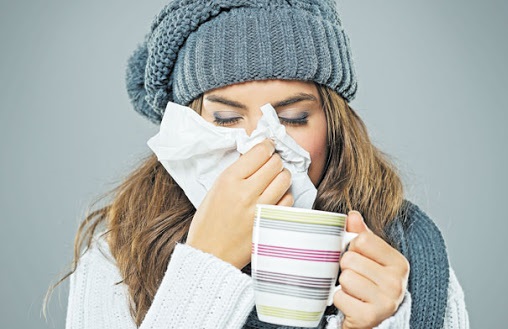
Recently, the question of how to protect ourselves and our loved ones from viruses and bacteria has become more relevant than ever. Let us look at the possible symptoms and the differences between flu, acute respiratory viral infections (ARVI) and coronavirus, the main routes of infection, what we can do to protect ourselves from illness, and methods of prevention.
Before we turn to the symptoms, let us briefly look at the nature of these types of illness.
Acute respiratory viral infection (ARVI) is a general term that covers a number of illnesses, mainly of the upper respiratory tract, caused by a viral pathogen.
The main pathogens that cause ARVI are:
- parainfluenza viruses;
- adenoviruses;
- enterovirus;
- respiratory syncytial virus;
- influenza viruses A, B and C;
- rhinoviruses;
- coronaviruses.
It therefore makes little sense to call ARVI and flu different illnesses. In describing the symptoms and how they present below, we will use the term ARVI as a general illness, commonly known as a cold.
All ARVIs are seasonal. According to WHO statistics, people most often fall ill with these infections between September–October and March. The main reasons for this seasonality are temperature fluctuations and a weakened immune system.
The risk groups for these illnesses differ slightly. For flu and colds, children are the main risk group, followed by other age groups. Coronaviruses, however, primarily affect older people, as well as people with blood-clotting problems or inflammatory conditions, people with heart disease, asthma, diabetes or high blood pressure, and people with reduced immunity.
Symptoms and manifestations of ARVI
The symptoms of all these types of illness are extremely similar. Sometimes even a specialist finds it difficult to tell at first glance what the patient is suffering from. Let us list and examine the main ones.
Symptoms:
- High temperature. A temperature of 38 degrees or more is typical of flu. A temperature above 37.4 degrees is typical of coronavirus disease. ARVI rarely causes a rise in temperature.
- Sore throat. Flu causes an acute sore throat accompanied by redness of the throat. With coronavirus, a sore throat sometimes appears, but this is not the rule. A cold almost always causes a severe sore throat.
- Cough. For flu and coronavirus, this is one of the most prominent and clearly pronounced symptoms. A dry cough is typical of these viruses. With a cold, this symptom is less pronounced.
- Fatigue. A fairly common symptom of flu. It appears less often with a cold.
- Sneezing and a runny nose. The most widespread and frequent symptom of a cold. It is absent with flu and coronavirus.
- Joint and muscle pain. Colds and flu quite often present with exactly these symptoms. A feeling of heaviness and aches in the body occur in the first days of the illness. With coronavirus, this is rare.
Prevention and recommendations to help you avoid ARVI
Now that we have looked at the nature of these illnesses and the symptoms that accompany them, let us turn to the methods of preventing them.
Wash your hands
Scientists conducted an experiment and found that around 80% of infections are transmitted via the hands, on which we carry around 5,000 types of bacteria. An impressive figure, isn’t it?
Hygiene is extremely important, so our recommendations are as follows:
- Wash your hands thoroughly with soap for at least 30 seconds, and do so as often as possible (before and after using the toilet, when returning from a walk, after public transport, before and after meals, after contact with animals);
- If soap is unavailable, keep alcohol-based or disinfectant wipes and hand sanitiser to hand.
- Make a point of cleaning your devices, your work and home keyboards and door handles. This is exactly where a vast number of viruses and microbes accumulate that could harm you.
- Humidify the air. The colder it is outside, the less moisture there is in the air. Radiators can only warm the air; they cannot humidify it. Because of excessive dryness, the mucous membranes of the nose and throat often dry out, which reduces their ability to resist viruses.
Strengthen your immunity
Immunity, or in scientific terms the immune system, is the body’s protective function, aimed at resisting both external threats (various bacteria, viruses and micro-organisms) and internal ones (infection of the body’s own cells). It is no secret that lifestyle has a strong influence on our general well-being. So here are our recommendations on how to support your immune system and stay as healthy as possible.
- Get full, healthy sleep. Try to sleep at least 8 hours a day and give your body the chance to recover;
- Balance your diet. Eat more seasonal vegetables, fruit and nuts. Add as many greens to your diet as possible. And remember dairy products too, as a healthy gastrointestinal (GI) tract reduces the risk of many illnesses, and not only viral ones. Your menu should always include both animal and plant proteins. Animal proteins are found in meat, fish, eggs and milk, and plant proteins in peas, beans, buckwheat and oats.
- Smoking and alcohol also have a negative effect on your immunity, and their abuse leads to many negative consequences.
Physical activity. Physical activity helps to boost immunity. Try to walk as much as possible and use the lift less. If you have a desk job, try to spend a little time during your lunch break walking in the fresh air. - Air the room you are in — whatever the space, whether your house, flat or office, what matters is that it has fresh air.
- Take vitamins. Try to take a course of general vitamins twice a season (in autumn and spring) to strengthen your immunity.
- Cold hardening. This certainly has a positive effect on your immune system, although the process is fairly long and requires patience and consistency.
Keep your distance and observe etiquette
At first glance it seems so simple, yet not everyone follows such basic rules as covering the nose when sneezing. Viruses are transmitted from a sick person to a healthy one by airborne droplets (when sneezing or coughing), so it is important to follow these rules of behaviour:
- Cover your nose and mouth when sneezing and coughing;
- Keep a distance of 1–1.5 metres from people who are ill;
- Try to keep your hands away from your eyes, nose and mouth;
- When coughing or sneezing, cover your mouth and nose with disposable tissues, which should be thrown away after use;
- Avoiding unnecessary journeys and crowded places reduces the risk of illness.
- When visiting crowded places during the seasonal peak of viral illnesses, try to wear a medical mask. Masks help reduce the spread of viruses. This is very important: if you are already ill, wearing a mask reduces the risk of the people close to you falling ill and slows the spread of the virus overall.
We have now looked at the preventive measures anyone can take to feel well and reduce the risk of infection with various types of viruses.
And most importantly: if you do notice symptoms of illness, consult your family doctor, and always leave the treatment to a professional.


