Better known as “white cells”, neutrophils are a type of white blood cell whose role is to protect your body from the micro-organisms and infections they fight. In a sense, they are your “bodyguards”.
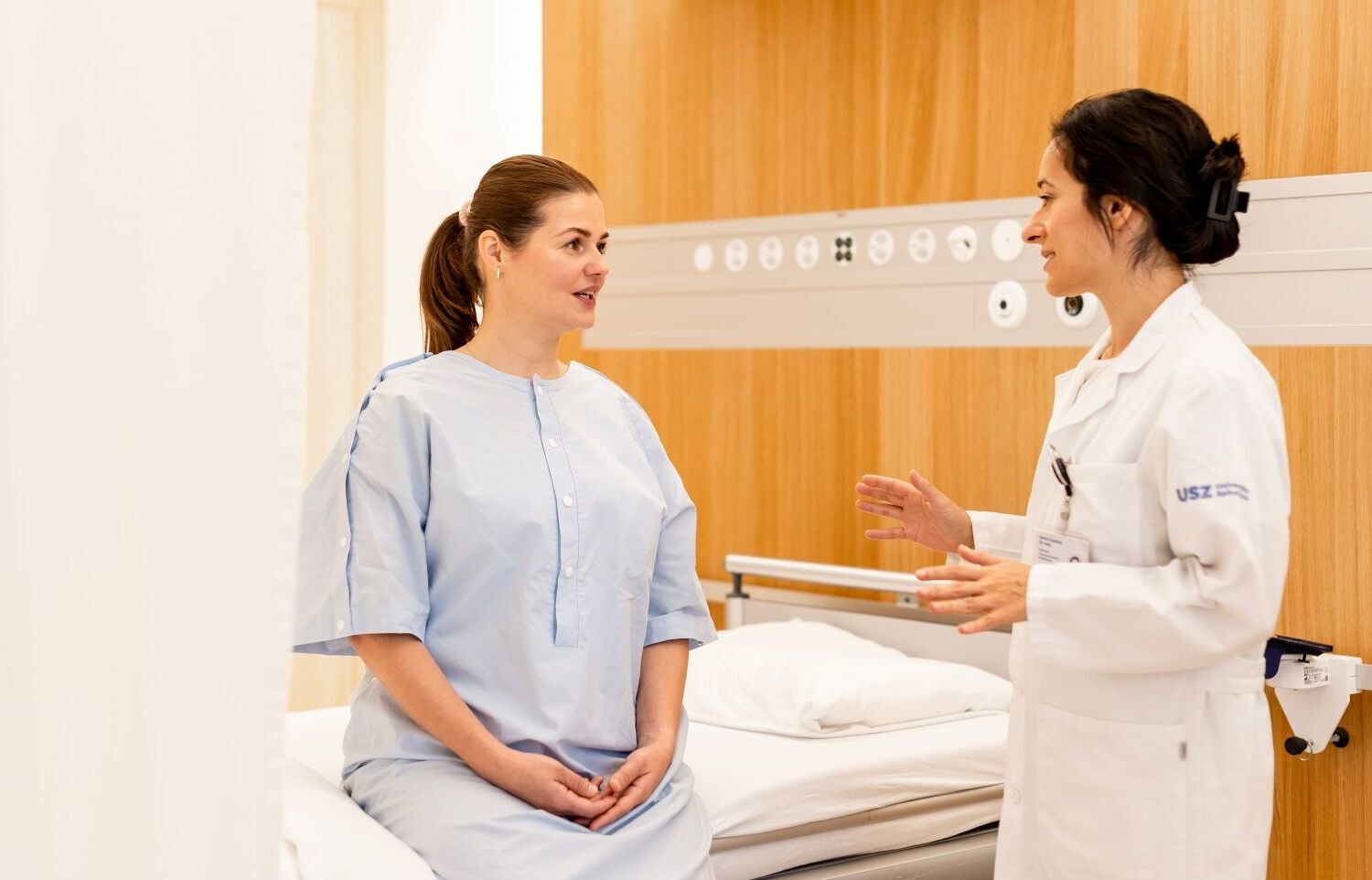
At Clinique de Genolier, when chemotherapy is given, our oncologists, haematologists and nurses first inform you about the side effects associated with this treatment.
Among them, the most common effect of chemotherapy is a significant fall in neutrophils. This decrease is called neutropenia, or transient agranulocytosis. It appears a few days after treatment and lasts approximately 7 to 10 days, a period long enough for the risk of infection to be taken into account.
To reduce the risk of infection, Drs Matti Aapro, Edya Fuhrmann, Claudine Helg and Volker Kirchner and the nursing team in outpatient oncology will give you a few tips that are quite simple to follow but that patients often forget.
Characteristics and symptoms
“Neutropenia is usually defined as a neutrophil count below 500/mm3 or below 1,000 cells/mm3. The risk of infection rises with the severity of neutropenia, especially at levels below 100 neutrophils/mm3.”
Fever (38 °C or above) is often the first warning sign of an infection, but there are other symptoms too, such as nausea, unusual pain, mouth ulcers and so on. Contact your treating doctor immediately if you have any doubts about the onset of an infection.
Some recommendations from our experts
Hand washing
Hand washing is essential to remove all visible and invisible dirt. Hand disinfection, however, remains necessary in addition to washing.
It is vital to wash your hands in the following cases:
- When they are dirty
- After touching raw food
- Before preparing food
- Before sitting down at the table
- After using the toilet (including changing a baby’s nappy)
- After blowing your nose
- After contact with an animal or its belongings
- After DIY, gardening and the like
Oral hygiene
Impeccable oral hygiene can only be achieved when the teeth and gums are carefully cared for after every meal.
We recommend:
- Rinsing your teeth immediately after every main meal
- Using a timer to ensure two minutes of brushing
- Using a soft-bristled toothbrush, which is gentler on the gums, and replacing it at least once a month
- Trying an electric toothbrush for effective plaque removal
- Using interdental brushes and a water flosser
- Using fluoride toothpaste
Irritation and injury can develop in the lining of the mouth after chemotherapy. To reduce this risk, carry out mouth care three times a day with the solution prescribed by your oncologist. Avoid products with a high alcohol content to minimise irritation of the lining.
Food hygiene
Micro-organisms multiply at temperatures between 5 °C and 60 °C and grow particularly quickly between 25 °C and 40 °C. As the temperature rises, the number of micro-organisms can double within a few minutes and reach several million within 6 hours.
Microbial contamination of food occurs mainly through a lack of hygiene when preparing raw foods of plant or animal origin, or during the storage of ready-made foods.
You can minimise the risk of poisoning by pathogens (salmonella, campylobacter, listeria, E. coli and so on) by following a few simple tips:
- Avoid cooking if you have flu. It is better to delegate this task
- Set your refrigerator thermostat between 0 °C and +4 °C, and clean and disinfect it weekly and monthly with diluted bleach
- Prevent cross-contamination by covering your food with cling film
- Check and observe use-by dates
- Eat well-cooked meat (70 °C)
- Dishes containing raw eggs (tiramisu, mayonnaise, chocolate mousse and so on) should be made with very fresh eggs and eaten the same day


