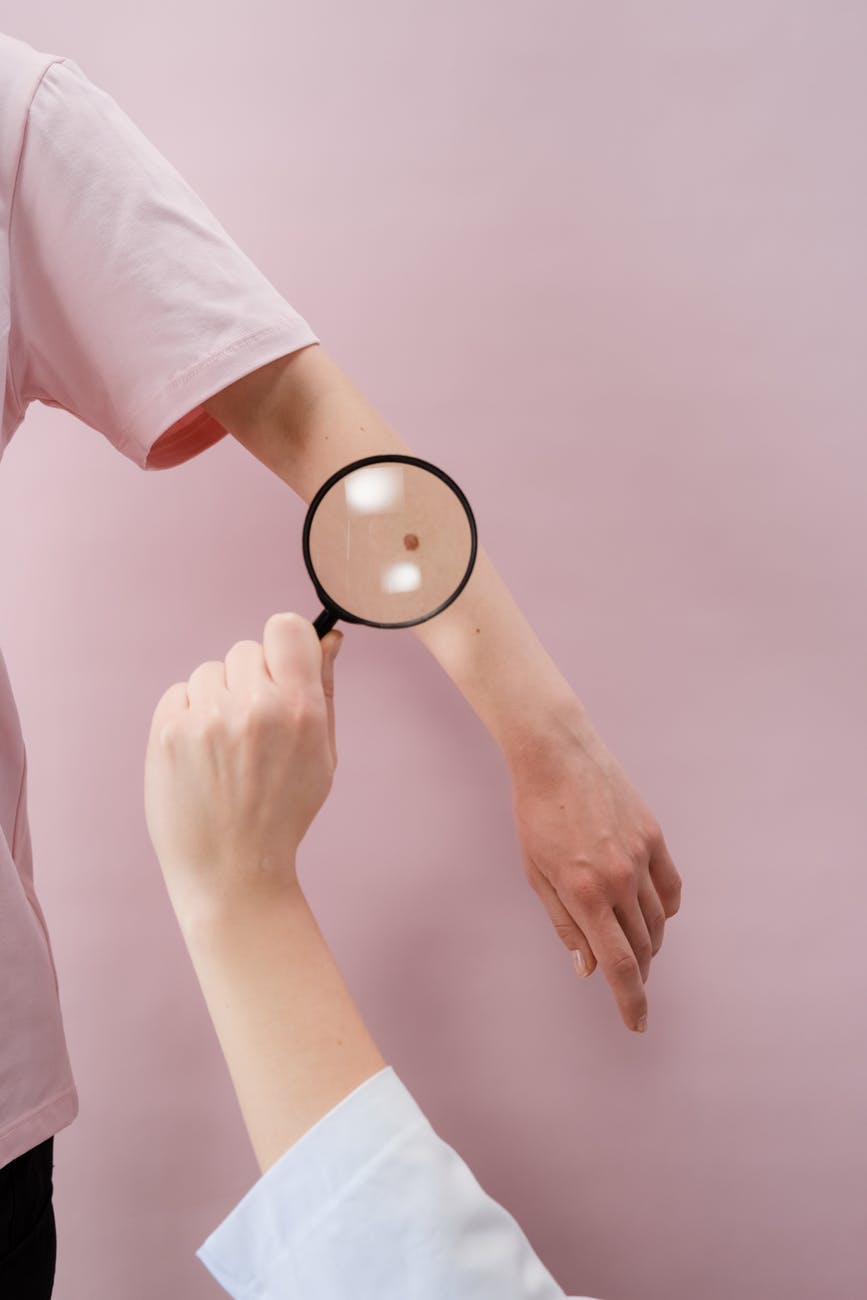
Dermatovenereology is the medical discipline concerned with skin diseases and sexually transmitted diseases.
A dermatovenereologist is a doctor who diagnoses, treats and prevents skin diseases and infections transmitted through unprotected sexual contact.
After intercourse with an unknown partner without barrier contraception, you should see a dermatovenereologist urgently. This is necessary to prevent infection with STIs.
Which conditions fall within dermatovenereology
- Pustular diseases (carbuncles, skin inflammation)
- Viral diseases (herpes)
- Diseases caused by the human papillomavirus (warts, moles, papillomas)
- Scalp conditions (seborrhoea)
- Chronic skin diseases (psoriasis, dermatitis, eczema)
- Fungal diseases (lichen, mycoses)
- Parasitic diseases (scabies)
- Sexually transmitted diseases (chlamydia, candidiasis, ureaplasmosis)
- Venereal diseases (syphilis, gonorrhoea)
You should see a dermatovenereologist if you have the following symptoms:
- Painful urination;
- Sores on the skin of the external genitals;
- Itching, burning or pain in the genital area;
- Discharge with an unpleasant odour;
- Growths in the perineum or on the external genitals (papillomas, condylomas, herpes, etc.);
- Suprapubic pain.
And also if you have the following symptoms:
- Skin problems have appeared (itching, rashes of any kind, redness, pigmentation, various skin growths);
- A white coating has formed on the lining of the mouth;
- Your nails have become very brittle and their colour and structure have changed;
- Your hair has started to fall out heavily, dandruff or seborrhoea has appeared, and your hair looks lifeless, dull and depleted.
At the very first appointment, the dermatovenereologist examines the patient. Appropriate diagnostic methods are always prescribed.
The following diagnostic tests are used to make an accurate diagnosis:
- Dermatoscopy – a non-surgical examination of skin growths. It is performed with a special instrument, the dermatoscope, which makes it possible to determine the structure of growths and assess whether they are safe.
- Laboratory tests. Bacteriological and biochemical tests are often needed to confirm the diagnosis.
Treatment methods for dermatovenereological conditions:
- Surgical treatment. This is used to remove papillomas, condylomas and other skin growths. Our centre uses fast and safe removal methods that deliver an aesthetic result and also have a therapeutic effect on the body.
- Laser treatment. This is used to remove pathological skin growths with a small-diameter surgical laser. Tissue is removed by the laser layer by layer, without contact and under sterile conditions.
- Radiofrequency surgery. Soft tissue is removed painlessly with high-frequency waves, without radiation.
The sooner a patient sees a dermatovenereologist, the more effective and faster the treatment prescribed by the doctor will be.


