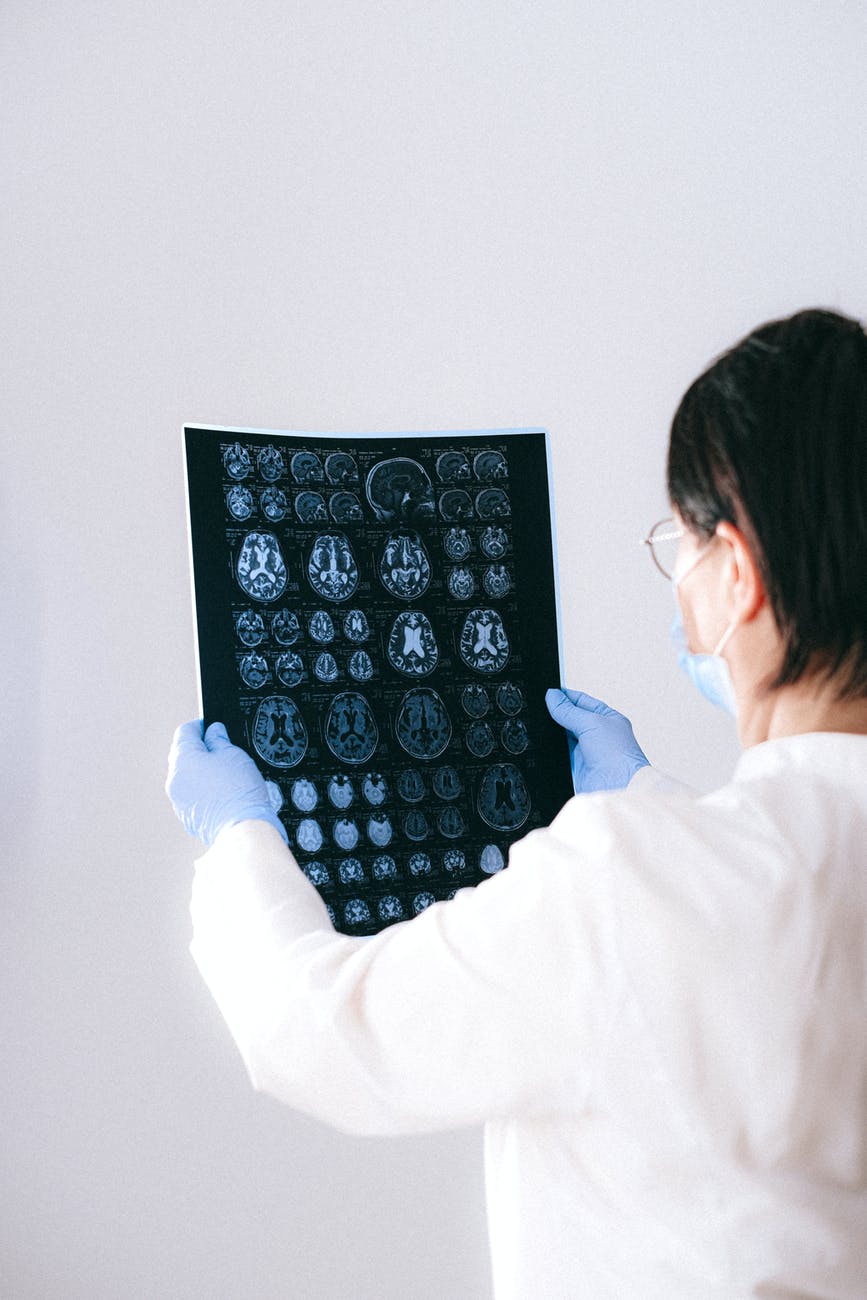
Neurology is the science that studies the normal state of the nervous system and deals with the treatment of various pathologies arising from external factors and from diseases of other organs.
Neurological disorders are divided according to two systems:
The extrapyramidal system is the brain structure responsible for balance, emotions, posture, movement and muscle tone. A malfunction of this system leads to the development of hypokinesia or hyperkinesia.
The pyramidal system is responsible for coordination and reflexes. When this system fails, the integrity of the cortico-muscular pathway is disrupted. In other words, nerve impulses do not reach their destination, so the body does not respond. The most common conditions in this group are paralysis and paresis (a group of conditions characterised by loss of movement).
The main conditions:
Brain disorders: attention disorders, manic psychoses, neuroses, epilepsy, restless legs syndrome, brain injuries.
Cerebrovascular disorders: fainting, ischaemic brain disease, after-effects of stroke, dizziness.
Disorders of the autonomic nervous system: Raynaud’s disease, altitude sickness, migraines, vegetative-vascular dystonia, Parkinson’s disease, cerebral palsy, bedwetting, muscular rheumatism, excessive sweating, Alzheimer’s disease.
Spinal complications: scoliosis, back pain, sciatica, osteochondrosis, radicular syndrome, neuralgia, herniated disc.
There are general signs by which neurological disorders can be recognised:
- Weakness, lethargy, malaise, low physical activity;
- Depression, irritability;
- Changes in rest and sleep patterns;
- Frequent or recurrent headaches, migraines, dizziness;
- Muscle weakness;
- Urinary incontinence;
- Difficulty swallowing;
- Pain in the muscles of the legs, lower back or chest;
- Balance problems, fainting.
If you are concerned or have characteristic symptoms, consult a specialist.
The doctor will examine you, listen to your complaints and concerns, make a diagnosis and then arrange diagnostic tests and a treatment plan.
Diagnostic methods vary:
- X-ray;
- Functional diagnostics;
- Magnetic resonance imaging;
- Laboratory diagnostics;
- Ultrasound.


