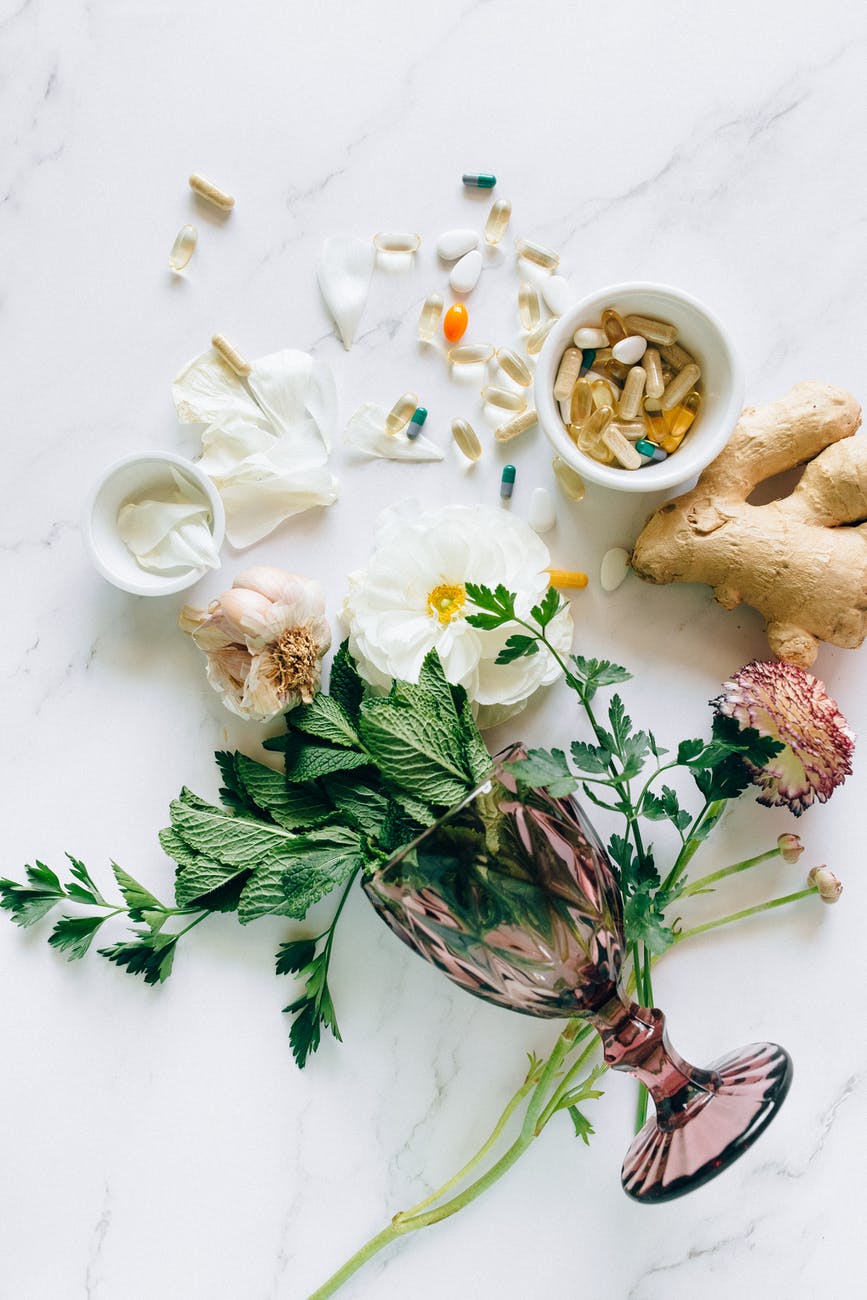
Alternative medicine is an umbrella term for a large number of treatment methods that complement conventional medicine and follow integrative medical approaches.
Many folk medicine methods are not accepted in conventional medicine. Even scientific research cannot always explain the phenomenon of healers’ curative abilities and effectiveness.
Modern medicine nevertheless recognises the right to such an alternative to its own technological and scientific methods, provided they do the patient no harm.
Folk medicine is typically used for allergic reactions, diseases of the joints, spine and skin, and neurological conditions.
The best-known branches of alternative medicine:
- Homeopathy;
- Acupuncture;
- Naturopathy.
The heritage of folk healers from different countries represents a deep body of knowledge in alternative medicine, including:
- Aromatherapy — treatment with scents;
- Apitherapy — treatment with bee products;
- Phytotherapy — treatment with medicinal herbs (infusions of various plants and herbs have a positive effect on the whole body, cleanse the vital organs and blood of toxins, and strengthen the body’s defences without side effects on the organs);
- Natural therapy — treatment with preparations of natural, mineral and plant origin;
- Hirudotherapy — treatment with leeches;
- Manual therapy — biomechanical techniques performed by hand to relieve pain and restore mobility of the spine and joints;
- Acupuncture — moxibustion, needling, acupressure;
- Stone therapy — massage with various natural stones;
- Hydrotherapy — the use of water in the form of local and full baths, massages, showers and wraps for preventive and therapeutic purposes;
- Fasting;
- Sound therapy or music therapy;
- Healthy nutrition;
- Thalassotherapy — treatment with seaweed, salts and mud;
- Su Jok — a method of Eastern medicine based on acupuncture.
Traditional Chinese medicine can cure many chronic and acute diseases or relieve their associated symptoms and pain, or improve well-being.
The high effectiveness of traditional Chinese medicine makes it a valuable complement to conventional medicine in the following areas:
- Pain (migraine, arthritis, back and joint pain, neuropathic pain)
- Allergies and autoimmune diseases (hay fever, bronchial asthma, skin conditions)
- Functional gastrointestinal disorders (wind, heartburn, irritable bowel syndrome, constipation)
- Urinary tract disorders (a tendency to bladder inflammation, bladder spasms)
- Women’s complaints (menstrual disorders, menopause, post-menopause)
- Psychological and psychosomatic conditions (anxiety disorders, exhaustion, sleep disorders).
The pros and cons of alternative medicine
Pros: alternative medicine is often regarded as “natural”. Most people who choose alternative medicine are looking for a more natural approach to treating their chronic conditions.
Cons of alternative medicine: some alternative methods have been studied and found to be safe and even effective. Others have not been thoroughly studied, and some have even been found to be harmful. What is “natural” is not always safe.
In international medical travel today, treatment and wellness programmes for rehabilitation and restoring the body based on Eastern folk methods are in high demand. They are also beneficial for strengthening the immune system in general.


