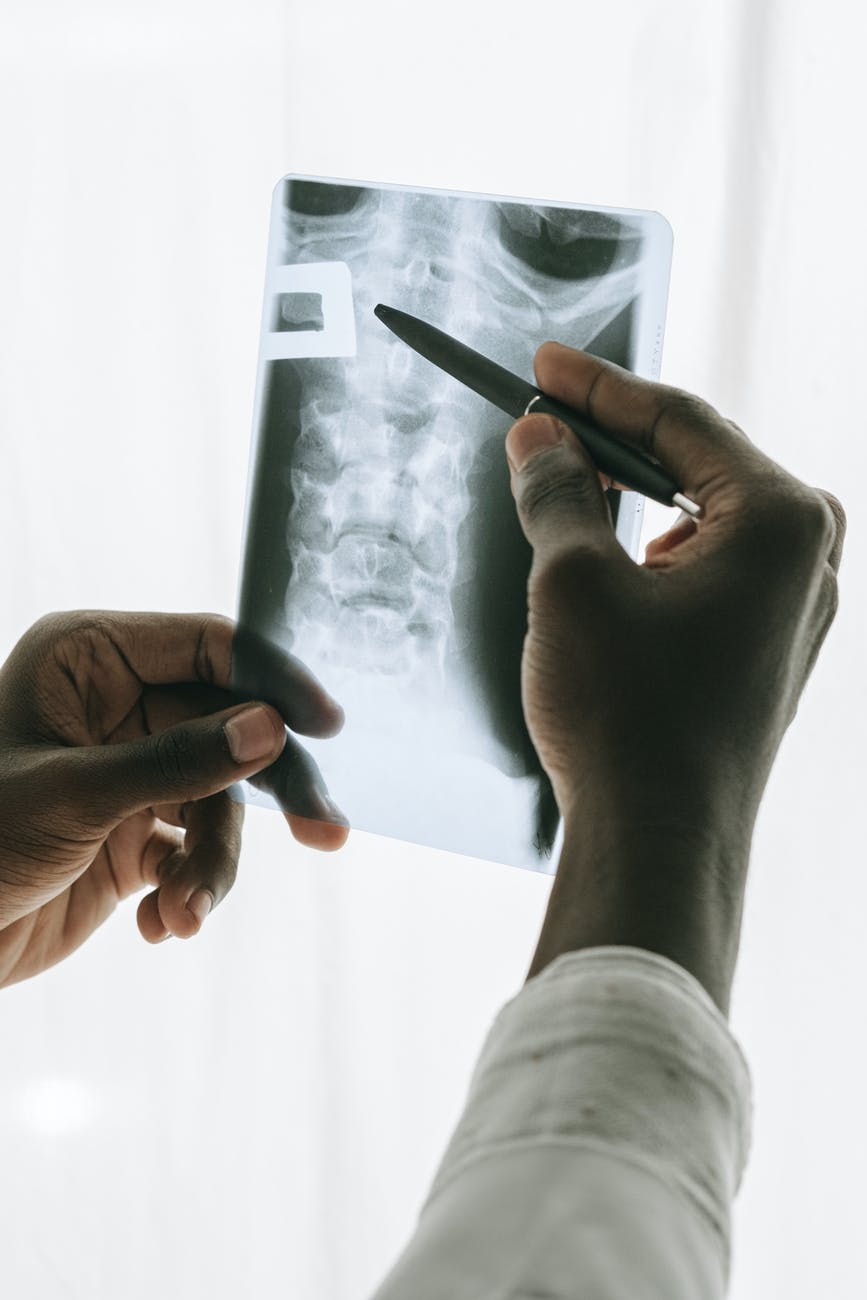
An orthopaedic trauma surgeon is a doctor who treats both injuries and a wide range of disorders of the musculoskeletal system.
Today, orthopaedics and traumatology form a single field of medicine. It is a branch of surgery devoted to correcting disorders of the musculoskeletal system. As a rule, both orthopaedics and traumatology are practised by one doctor: the orthopaedic trauma surgeon.
You should see a trauma specialist with the following problems:
- First and repeat bone fractures, post-operative complications.
- Intermittent or constant pain in the joints, legs, arms or spine that worsens with exertion.
- Spinal problems, poor posture.
- Sprains, sports injuries, bruises.
- Deformity of the joints of the hands and feet, their enlargement or redness.
- Abnormal development of the chest, flat feet.
- Pain has appeared when walking and all your shoes have started to pinch.
The list goes on and covers every problem related to joints, bones and ligaments or, most importantly, pain or stiffness of movement. You should see a specialist for an examination without delay. If treatment begins in time, the problem can be dealt with quickly and complications prevented.
Consultation and Diagnostics
The first consultation with an orthopaedic trauma surgeon includes taking the patient’s history of complaints, a clinical examination of the area of the body that causes discomfort, and determining exactly where the problem is located. Tests may also be carried out to establish the characteristic features and severity of the condition (unusual sounds, difficulty bending or straightening the joint, swelling).
If necessary, the patient undergoes further examinations: X-ray, MRI, ultrasound and laboratory tests. It is advisable to return to the doctor for a second consultation once the results are available.
An urgent appointment with an orthopaedic trauma surgeon after an injury includes examination of the injured area and any necessary interventions: applying a cast, splints and so on.
After the appointment, examination and consultation, the orthopaedic trauma surgeon may order diagnostic tests to investigate the patient’s complaint thoroughly and determine its cause.
Depending on the area being examined, the orthopaedic surgeon may order:
- X-ray;
- MRI (examination of the soft tissues: muscles, ligaments, tendons and the soft tissues of the joints);
- CT (examination of bone structures in several sections and planes);
- Ultrasound (superficial damage to the structures of a limb);
- Arthrophonography (recording the friction sounds of the parts of the knee joint, which indicate inflammation and wear of the rubbing surfaces);
- Biomechanical analysis (monitoring the rhythm of movement and assessing its dynamics).
Comprehensive Treatment:
- Invasive procedures: intra-articular and peri-articular injections (corticosteroids, hyaluronic acid preparations, platelet-rich plasma). Their main effect is to relieve inflammation and pain;
- Physiotherapy: manual therapy, ultrasound therapy and electrotherapy;
- Massage (stimulates circulation);
- Therapeutic exercises designed according to an individual plan to strengthen the muscles;
- Orthopaedic aids (orthopaedic insoles, foot correctors, bandages and others).


