What is atopic dermatitis?
Atopic dermatitis, also known as atopic eczema or neurodermatitis, is a non-infectious chronic inflammatory skin disease. It is a relapsing condition characterised by intense itching, and it often flares up again after periods of improvement. It mainly affects children but also occurs in adults.
Red patches appear on the patient’s skin. They are also dry, cracked or scaly. There is itching too, especially at night. In infants, eczema often appears mainly on the cheeks, whereas in older children and adults the rash usually appears on the knees or elbows (often in the skin folds of the joints), on the backs of the hands or on the scalp.
Patients with atopic dermatitis have an increased risk of secondary bacterial and viral skin infections. Certain clinical signs, such as purulent crusts and pustules (swellings), may be seen with localised infections or active dermatitis.
Treatment in Switzerland includes consultations with leading dermatologists to resolve this skin condition.
The first step in treating atopic dermatitis is to eliminate contact with the allergen. Treatment may then include:
- medication (antihistamines, vitamins, etc.)
- special ointments and creams
The best clinics in Switzerland have qualified dermatologists. If you notice symptoms of atopic dermatitis, see a doctor promptly and book an appointment at a time that suits you.
Causes of atopic dermatitis
The causes of atopic dermatitis are still not fully understood. Scientific evidence suggests that the disease results from a complex interaction of genetic, environmental and immunological factors together with defects in the skin barrier.
Environmental causes of atopic dermatitis
The environmental factors that influence the development and worsening of atopic dermatitis symptoms include:
- allergens,
- environmental pollution,
- infections,
- temperature (both high and low, and changes in temperature),
- air humidity,
- irritants and stress.
Defects in the epidermal barrier (the outermost layer of the skin) lead to many adverse effects:
- water loss and the resulting dryness of the skin,
- increased sensitivity to irritants,
- easier penetration of irritants.
Treating atopic dermatitis
Curing atopic dermatitis is difficult. People whose symptoms appeared very early have little chance of a complete recovery. If it is possible to identify the factors behind the atopic dermatitis, treatment consists of removing the allergens from the patient’s environment or diet.
Treatment of atopic dermatitis:
- antihistamines,
- corticosteroids during flare-ups and topically as an ointment (avoiding the excipient lanolin, to which patients are often sensitive),
- immunosuppressants,
- phototherapy,
- photochemotherapy,
- skin care and emollients,
- special medical clothing.
It is very important for every patient to remember a few simple rules that can be followed every day:
- take a shower rather than a long bath (prolonged exposure to chlorinated water irritates the skin),
- use cosmetics designed for very sensitive skin – hypoallergenic and soap-free – instead of ordinary soap or bath lotions,
- add an emollient to the bath,
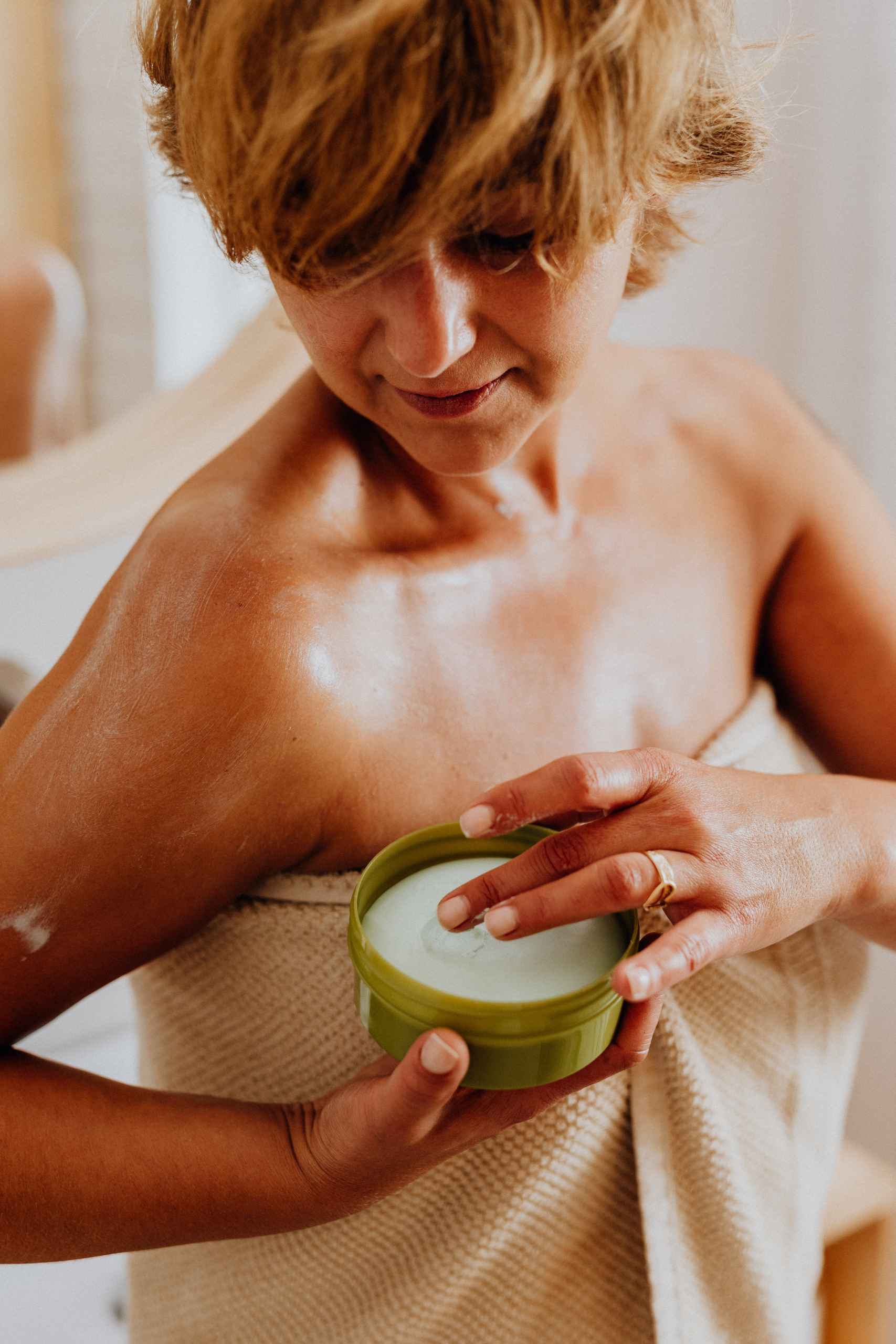
- after bathing, gently pat the skin dry and moisturise it, for example with olive oil or an emollient cream,
- use hypoallergenic cosmetics,
- wear light, soft, breathable clothing,
- wash clothes and bed linen with detergents for allergy sufferers,
- avoid overheating.
Healthy skin depends on many elements: prevention combined with proper skin care and control of inflammation gives the best possible result.


