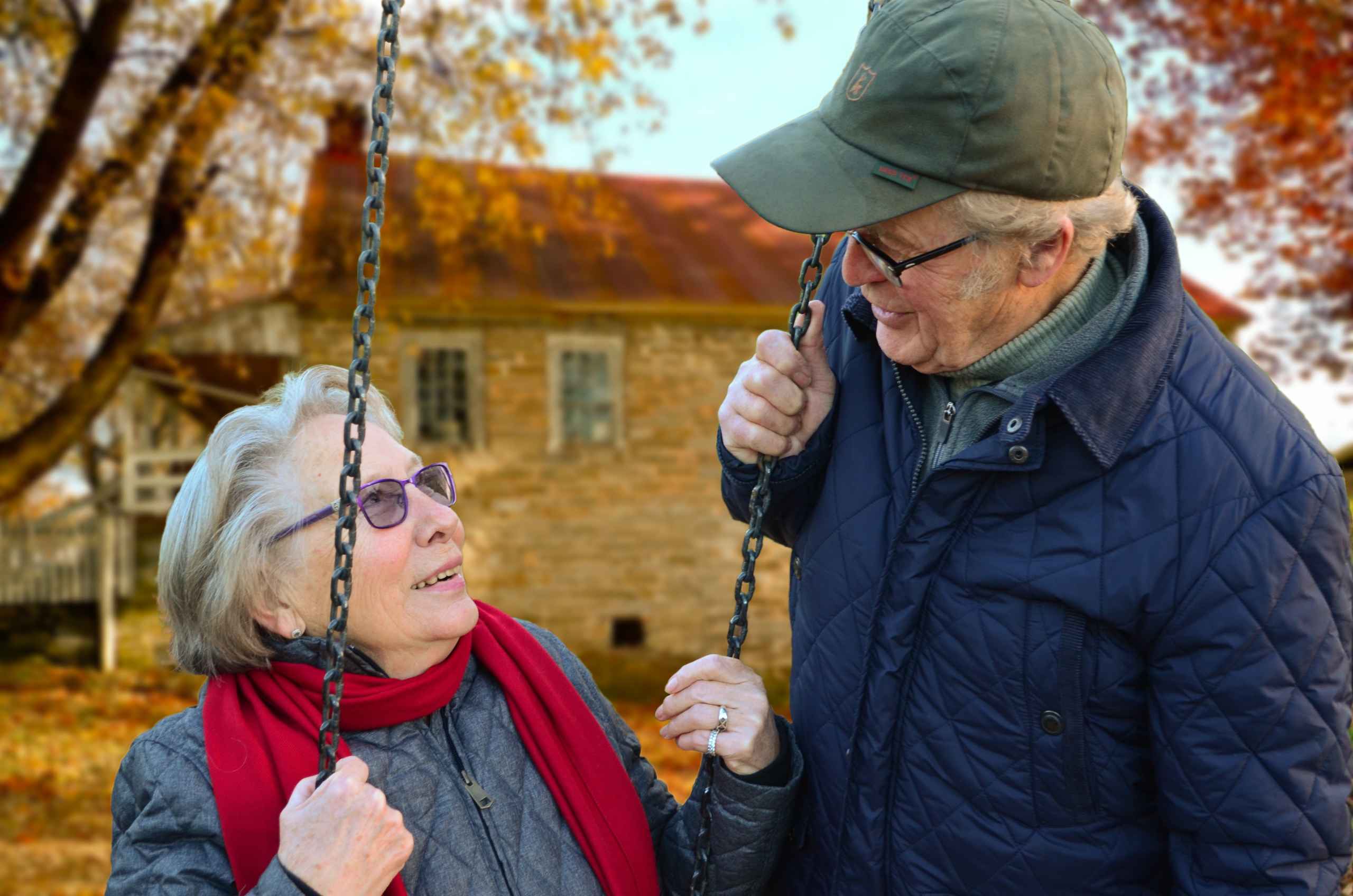
Who does the coronavirus affect?
Every one of us. Unfortunately, the consequences of this infection vary. In children it may be asymptomatic or very mild, yet they can unknowingly pass the disease on to others.
Older people are the group most susceptible to severe infection, owing to the general weakening of the body that comes with age and the concomitant diseases often typical of later life.
COVID-19 and older people
The COVID-19 pandemic has hit the older population disproportionately hard. Current demographic and epidemiological changes call for particular attention to older people.
Age and concomitant diseases are the main risk factors for severe forms of COVID. People over 85, for example, have a hospitalisation rate eight times higher than people aged 40–44, and a risk of death 200 times higher.
Older people receive particular attention during treatment in Switzerland for COVID-19. Older people who have had the disease or need rehabilitation can undergo high-quality diagnostics and recovery at the best clinics in Switzerland.
How to protect yourself from the virus – key recommendations for older people
The knowledge of doctors and scientists grows day by day, and the people concerned – those potentially at greatest risk – can do a great deal themselves to minimise the risk of infection.
- Quarantine – staying at home is recommended. A formal quarantine and ban on leaving one’s place of residence applies to people who are ill or suspected of having a coronavirus infection. In everyday life, however, older people are advised to stay at home as much as possible and leave only when absolutely necessary.
- We greet each other without shaking hands. New ways of greeting at a distance, of shopping and of our former habits should become routine in the interest of safety.
- Keeping a distance of 2 metres is the recommended distance from other people in a queue or whenever leaving home. If someone shows signs of illness (coughing, runny nose, hoarseness and so on), the wisest advice for older people is to move away as soon as possible or considerably increase the distance from that person.
- Wearing a mask – currently recommended in public places. Masks should especially be worn by people with a cold or other infections to minimise the risk of transmitting viruses and bacteria. Older people often find it hard to breathe freely in a mask. In that case, it is worth asking someone to help with shopping and any errands that require leaving home.
- Avoid crowds. Older people should pay particular attention to places such as buses, trams and large shops, and avoid them where possible. According to current knowledge, large gatherings of people are the easiest route for the coronavirus to spread.
- Essential shopping only – although quarantine can be unpleasant, older people should limit shopping trips to essentials. Any purchases for the garden, clothing or home repairs are best postponed to a safer time.
- Shopping hours for older people – shopping at designated times helps older people minimise the risk of meeting someone who is asymptomatic.

Vaccination
COVID-19 vaccinations are free for everyone.
Vaccination is the best way to protect yourself, your family, your friends and society.
It is also important to have a flu vaccination every year to protect yourself and others. Older people are at greater risk of becoming seriously ill with flu. We recommend flu vaccination for:
- older people
- family and friends of older people
- anyone who works with older people, including in care homes.
Vaccination protects wider society against flu. It also helps avoid additional strain on our healthcare system. Flu vaccination reduces the risk of being infected with flu and COVID-19 at the same time. Please note that the flu vaccine does not protect against COVID-19.


